UNESCO World Cultural Heritage Sites in India: A Complete Guide to 36 Timeless Cultural Treasures
Explore all 36 UNESCO World Cultural Heritage Sites in India, including locations, best time to visit, historical significance, and UNESCO recognition details.
UNESCO World Cultural Heritage Sites in India: Exploring the Legacy of India’s Greatest Cultural Wonders
In India where every monument has a story to tell, each old city recalls a memory and each architectural wonder a story of human brilliance. This list of archives of UNESCO World Cultural Heritage Sites in India shows how cultural transformation, spiritual beliefs, arts and history has been in development of India for thousands of years.
All the UNESCO World Cultural Heritage Sites in India are a remarkable feat of architecture, art, religion, education and urban planning. Thousands of years of Indian culture from caves to great forts, cities are part of the world cultural heritage in India.
Any traveler who turns their eyes towards the list of UNESCO World Heritage sites in India will come upon his cultural treasures, that are among the most diverse and awe-inspiring. Although, the Taj Mahal is likely to be familiar to most travelers visiting India, dozens more fascinating sites should be visited.
So, plan to explore some of the wonders of nature in India? Check out this list of UNESCO Natural World Heritage Sites in India for some of the most scenic places in India to visit!
What Makes a UNESCO Cultural Heritage Site Special?
An outstanding universal value to humanity is used to define a UNESCO cultural heritage site. These are locations with outstanding architectural, engineering, cultural, religious and/or traditional achievements.
The UNESCO World Heritage website states that cultural properties are chosen through a set of strict criteria that assesses their historical significance, authenticity, level of preservation and impact on human civilization.
India is one of the world’s most culturally rich countries today, with 36 officially designated cultural world heritage sites in India.
Complete List of UNESCO World Cultural Heritage Sites in India
This guide helps you know about all the officially acknowledged UNESCO World Cultural Heritage Sites in India, their location, meaning and when to visit these sites.
1. Agra Fort (1983)
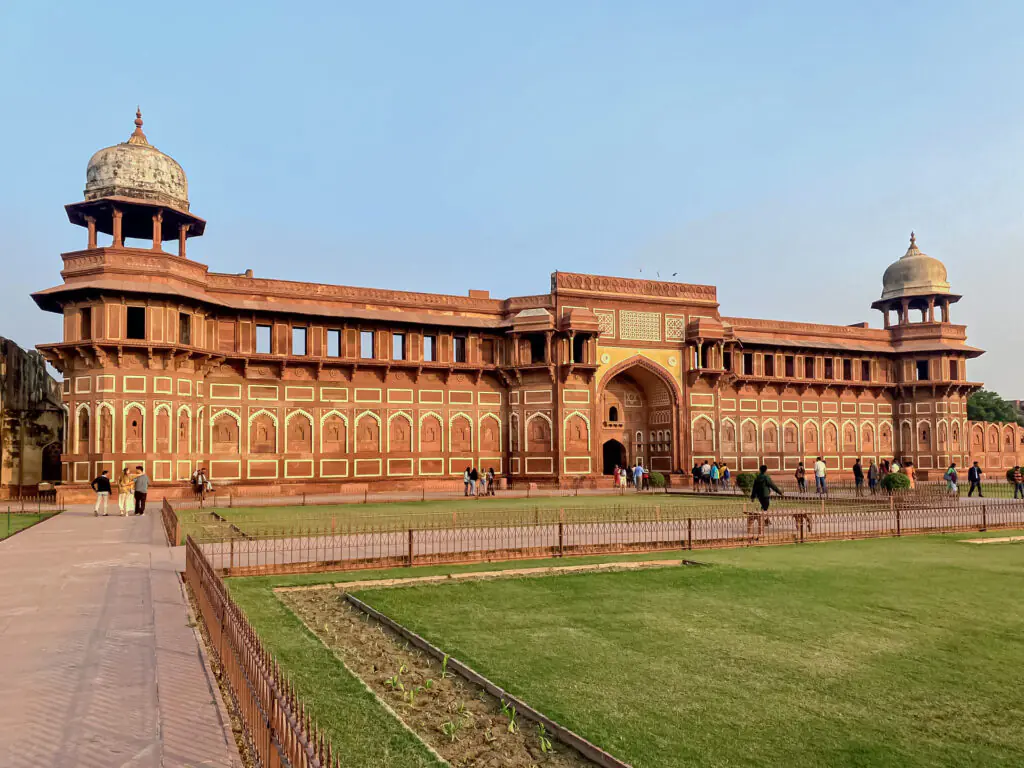
Location: Agra, Uttar Pradesh
Best Time to Visit: October to March
Why UNESCO Recognition:
- The architecture of Mughals is amazing
- The historical capital of Mughal emperors
- Islamic and Hindu elements in design; combination of them
2. Ajanta Caves (1983)
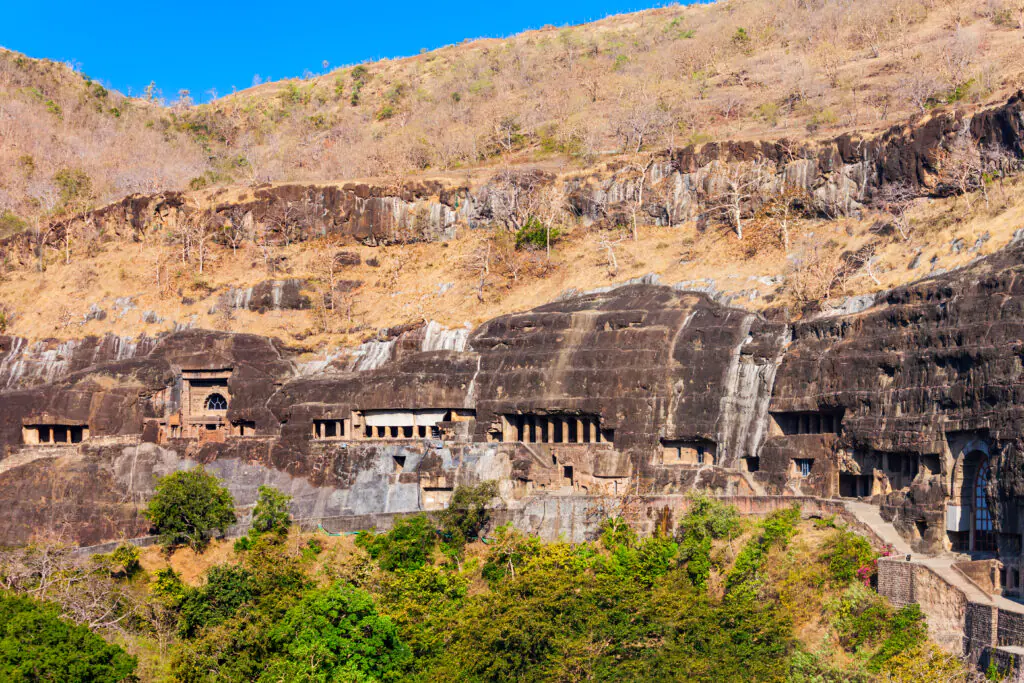
Location: Aurangabad District, Maharashtra
Best Time to Visit: November to February
Why UNESCO Recognition:
- The ancient temple paintings of the Buddhas
- Masterpieces of religious art
- The site was an outstanding example of rock-cut architecture
3. Archaeological Site of Nalanda Mahavihara (2016)
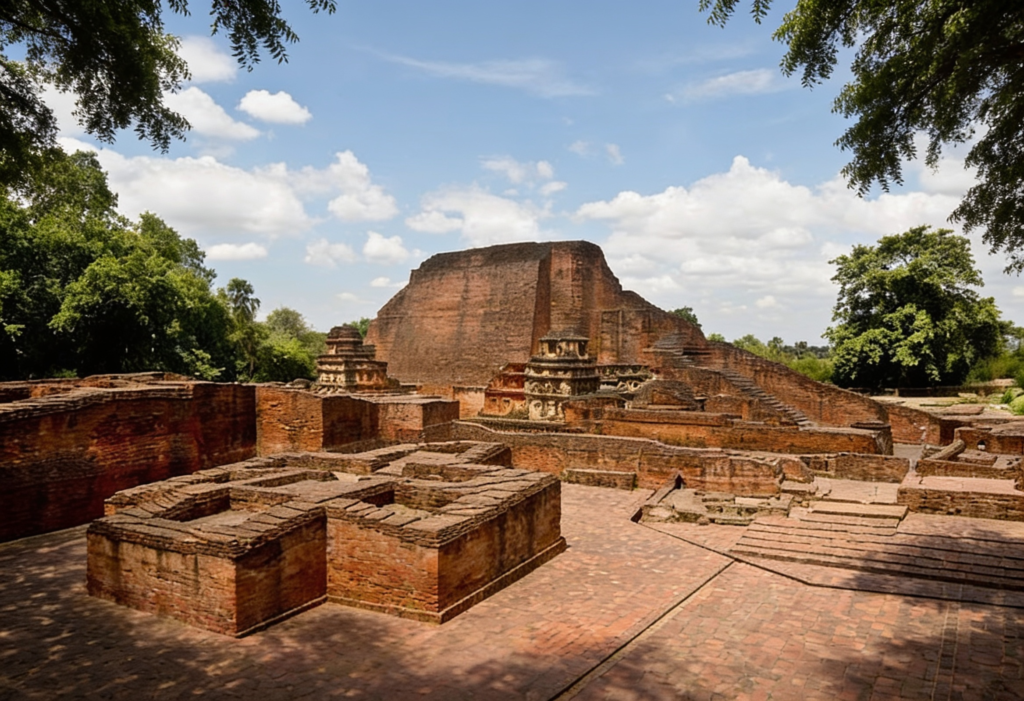
Location: Nalanda, Bihar
Best Time to Visit: October to February
Why UNESCO Recognition:
- One of the world’s forerunners for residential universities
- The Buddhist learning centre was very large
- The approximate location of significant archaeological remains of ancient systems of education
4. Buddhist Monuments at Sanchi (1989)
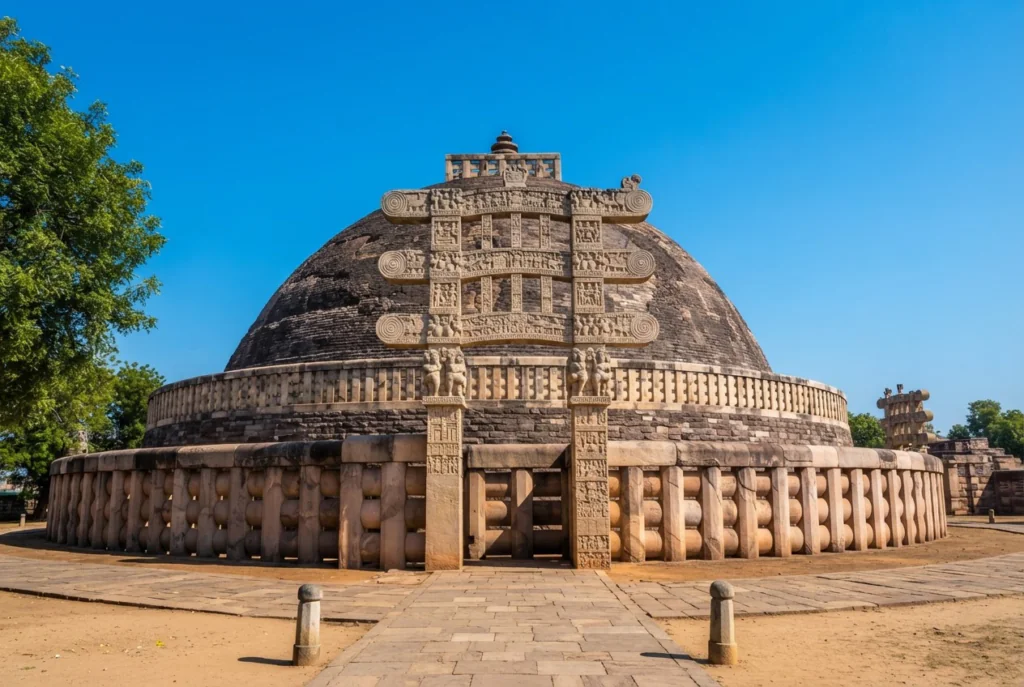
Location: Sanchi, Madhya Pradesh
Best Time to Visit: October to March
Why UNESCO Recognition:
- Excellent Buddhist Stupas and Monasteries
- Exceptional religious architecture
- Buddhist heritage site of great importance
5. Champaner-Pavagadh Archaeological Park (2004)
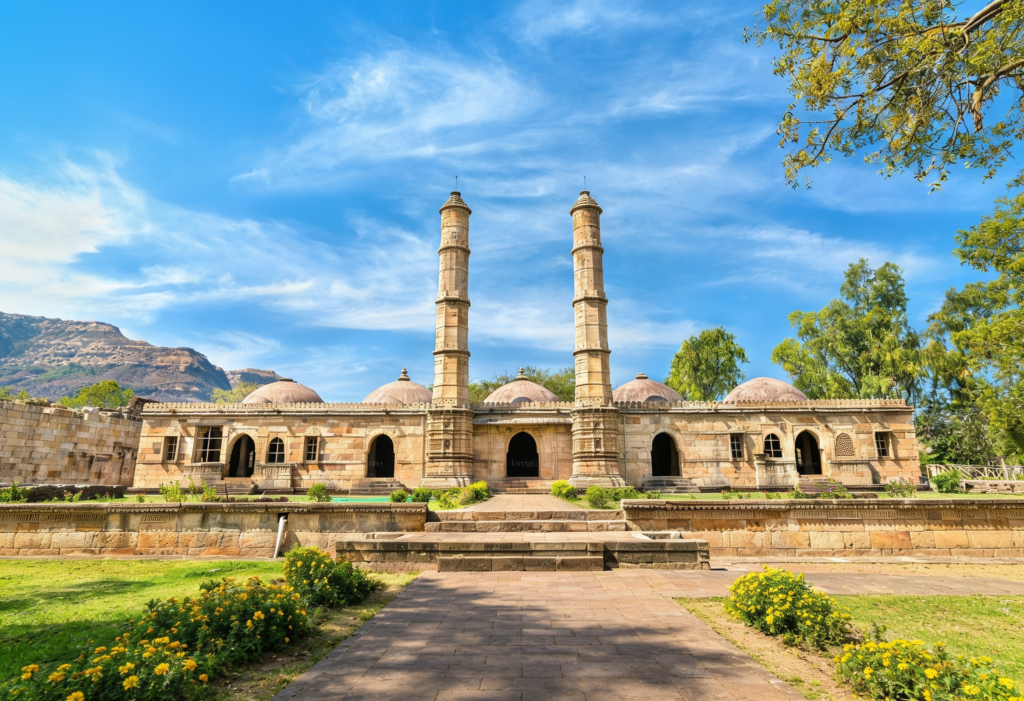
Location: Panchmahal District, Gujarat
Best Time to Visit: October to February
Why UNESCO Recognition:
- The city built by Muslims whose presence was uncommon during the pre-Mughal era of the Indian history
- Rich archaeological landscape
- A special mixture of Hindu and Muslim customs
6. Chhatrapati Shivaji Terminus (2004)
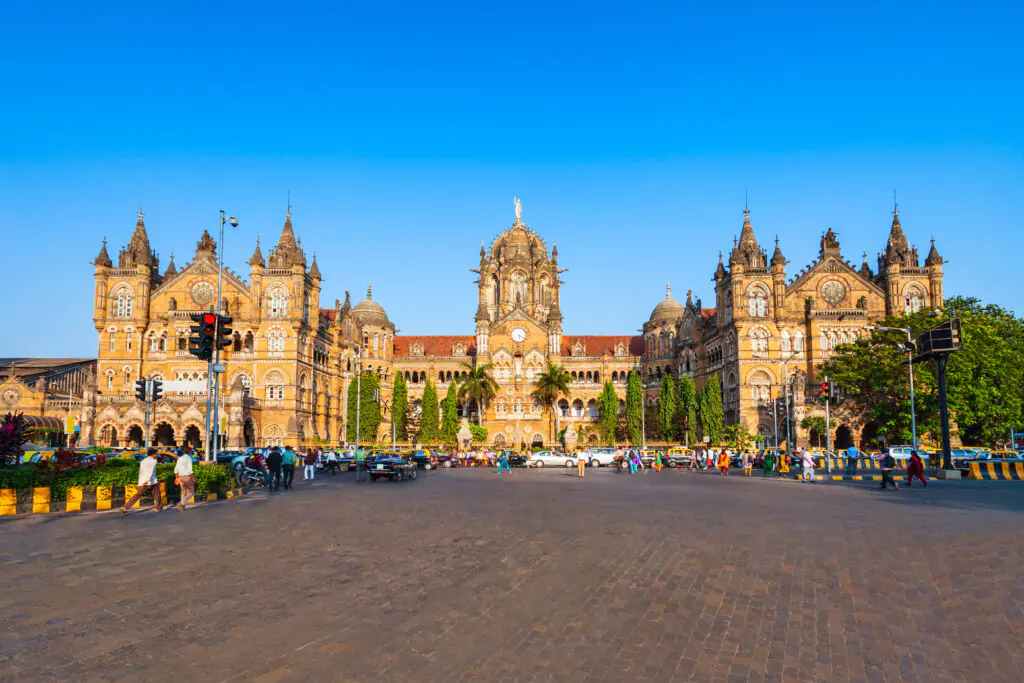
Location: Mumbai, Maharashtra
Best Time to Visit: November to February
Why UNESCO Recognition:
- Famous Victorian Gothic buildings
- This has been an emblem of the Colonial Engineering
- Important transportation landmark
7. Churches and Convents of Goa (1986)
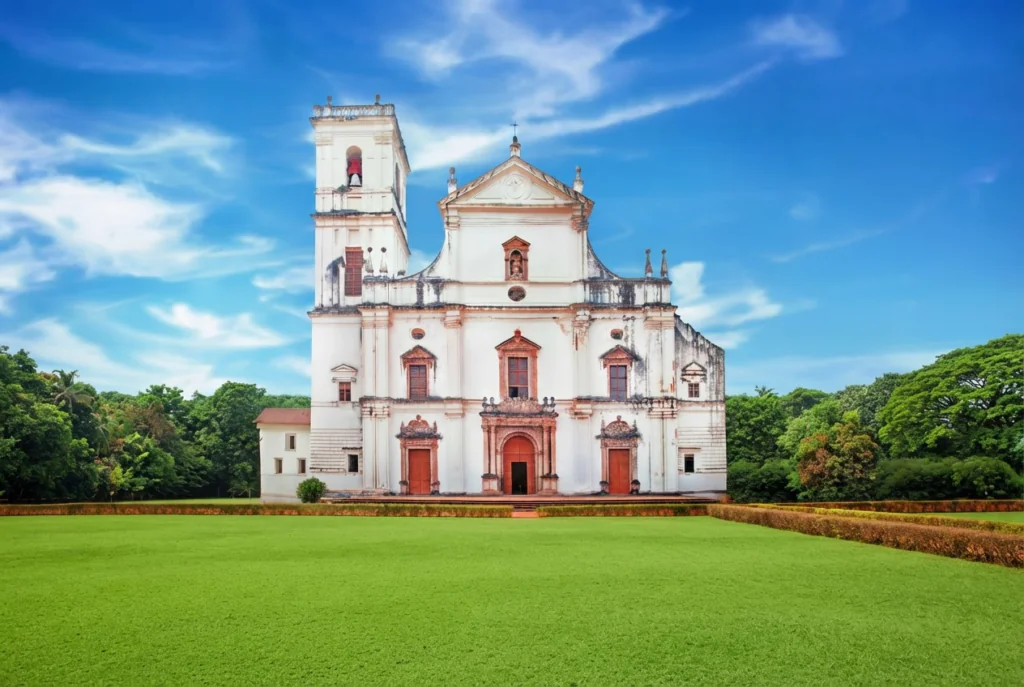
Location: Old Goa, Goa
Best Time to Visit: November to February
Why UNESCO Recognition:
- Some of the best example of colonial Portuguese architecture
- Severe Christian historic ruins are listed
- Describe how people, places and ideas in Asia influenced others and the missionary efforts of individuals
8. Dholavira: a Harappan City (2021)
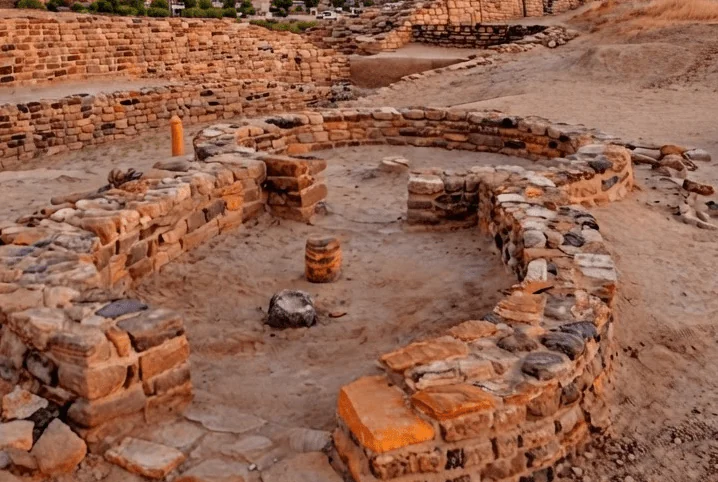
Location: Kutch, Gujarat
Best Time to Visit: November to February
Why UNESCO Recognition:
- One of the most well-preserved Harappan settlements
- Advanced urban planning
- Sophisticated water management systems that enable users to obtain water at a lower cost
9. Elephanta Caves (1987)
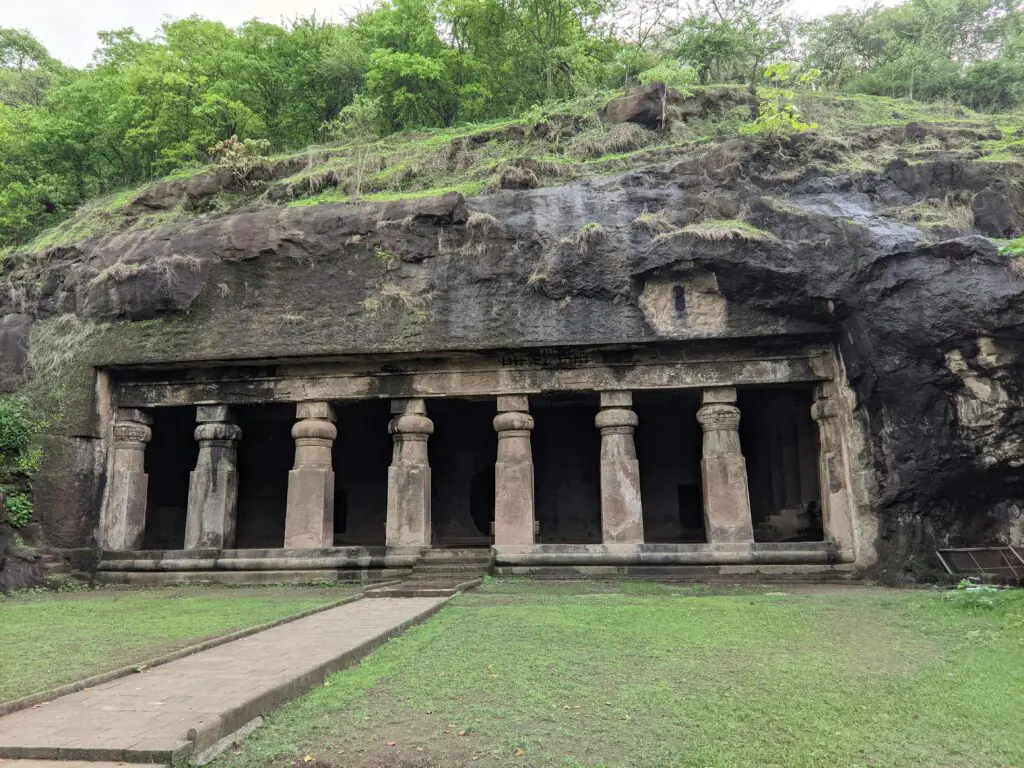
Location: Mumbai Harbour, Maharashtra
Best Time to Visit: November to February
Why UNESCO Recognition:
- Remarkable rock-cut sculptures
- A truly outstanding portrayal of the Hindu mythology
- Magic of old India, which is the art of mastering
10. Ellora Caves (1983)
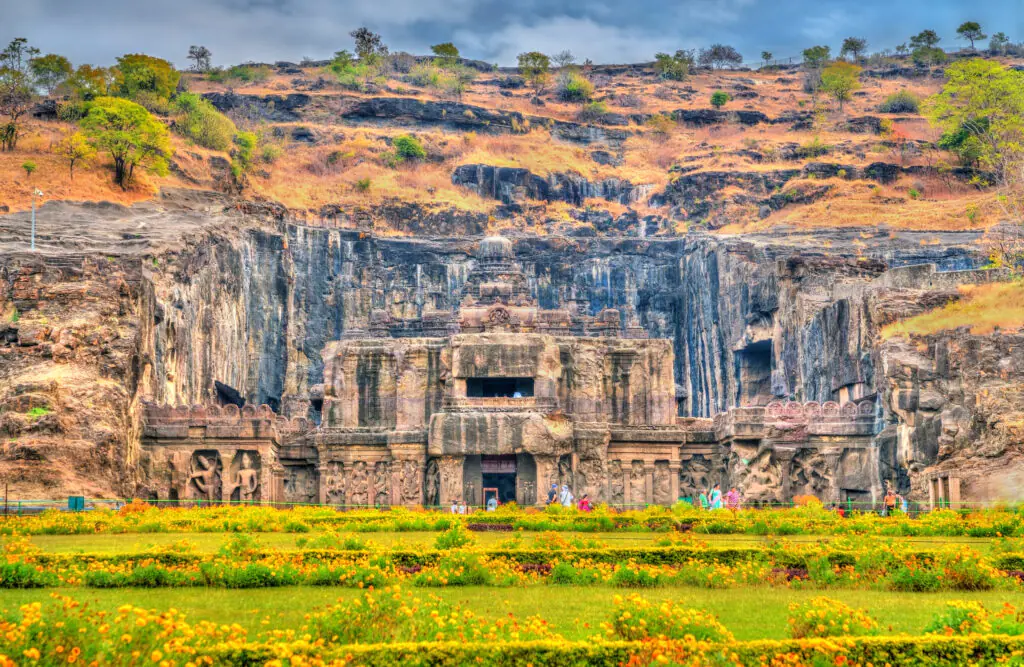
Location: Aurangabad District, Maharashtra
Best Time to Visit: November to March
Why UNESCO Recognition:
- Monumental cave complexes
- Buddhist, Hindu and Jain heritage at a single location
- Extraordinary rock-cut engineering
11. Fatehpur Sikri (1986)
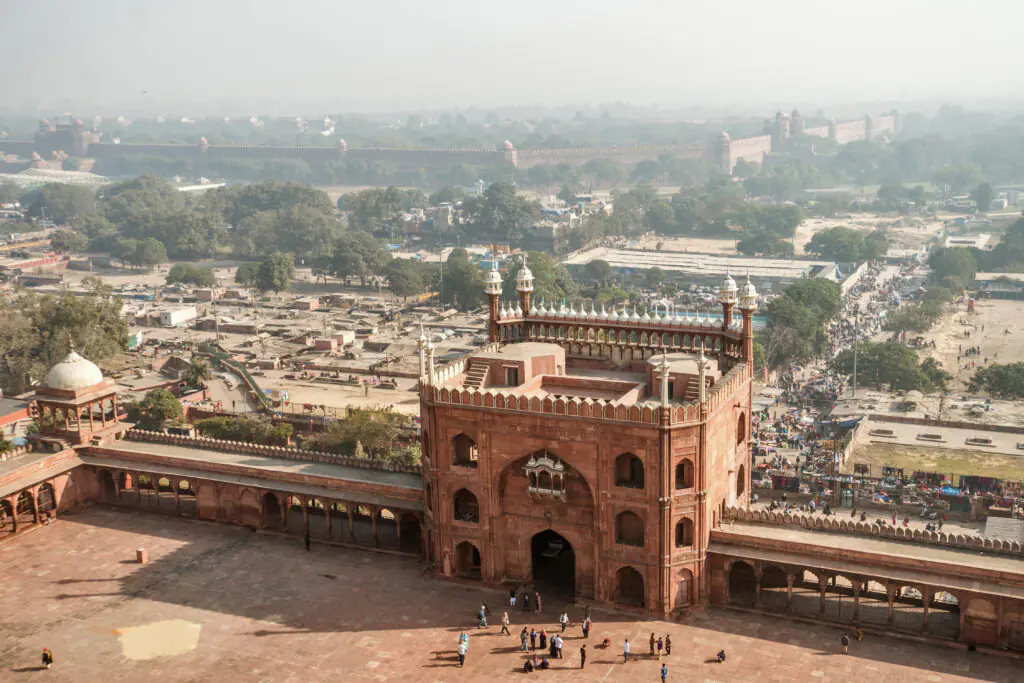
Location: Uttar Pradesh
Best Time to Visit: October to March
Why UNESCO Recognition:
- The magnificent city of Mughals was the capital city
- An architectural gem of Emperor Akbar
- Unique urban planning
12. Great Living Chola Temples (1987, 2004)
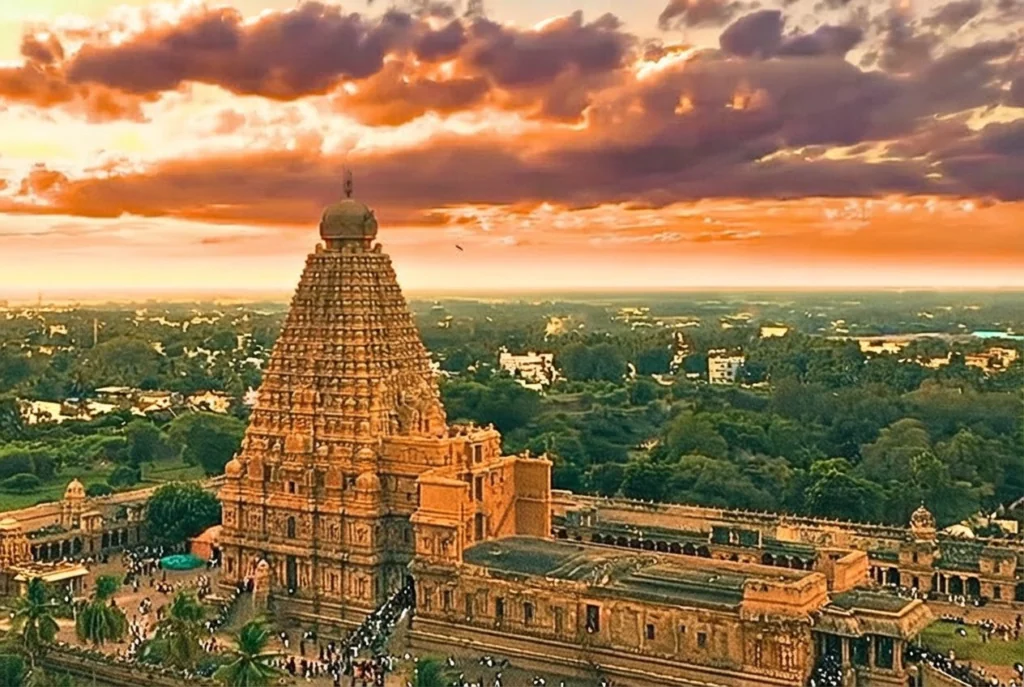
Location: Tamil Nadu
Best Time to Visit: November to February
Why UNESCO Recognition:
- The exceptional dravidian temple architecture
- Living religious traditions
- Outstanding artistic achievements
13. Group of Monuments at Hampi (1986)
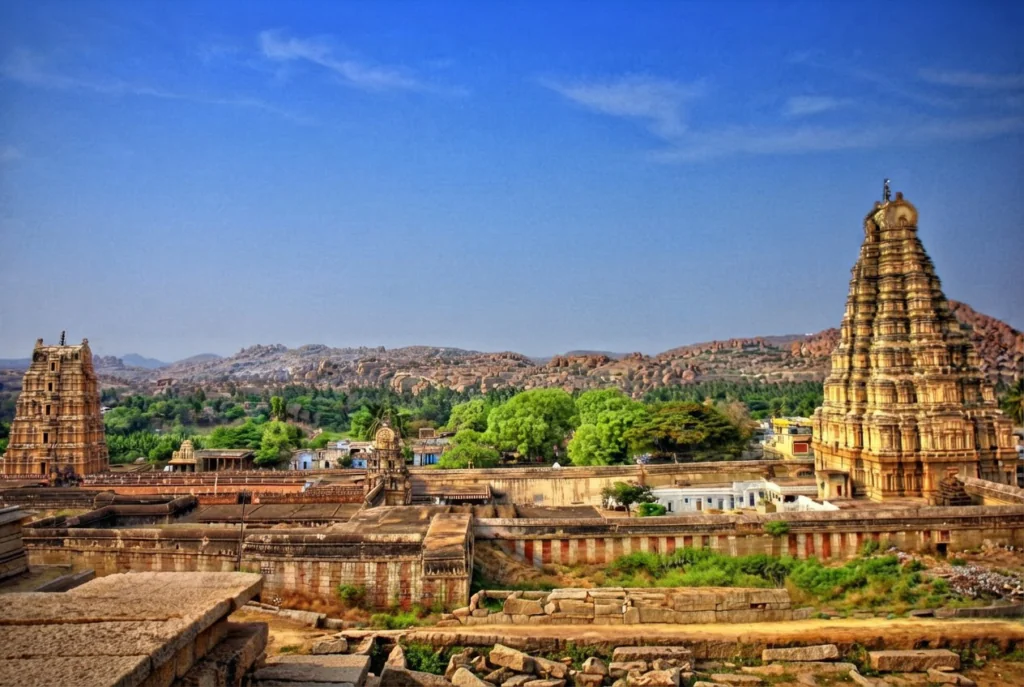
Location: Vijayanagara District, Karnataka
Best Time to Visit: October to February
Why UNESCO Recognition:
- The Vijayanagara Empire’s capital was located
- Spectacular temple complexes
- The architectural and urban planning are amazing
14. Group of Monuments at Mahabalipuram (1984)
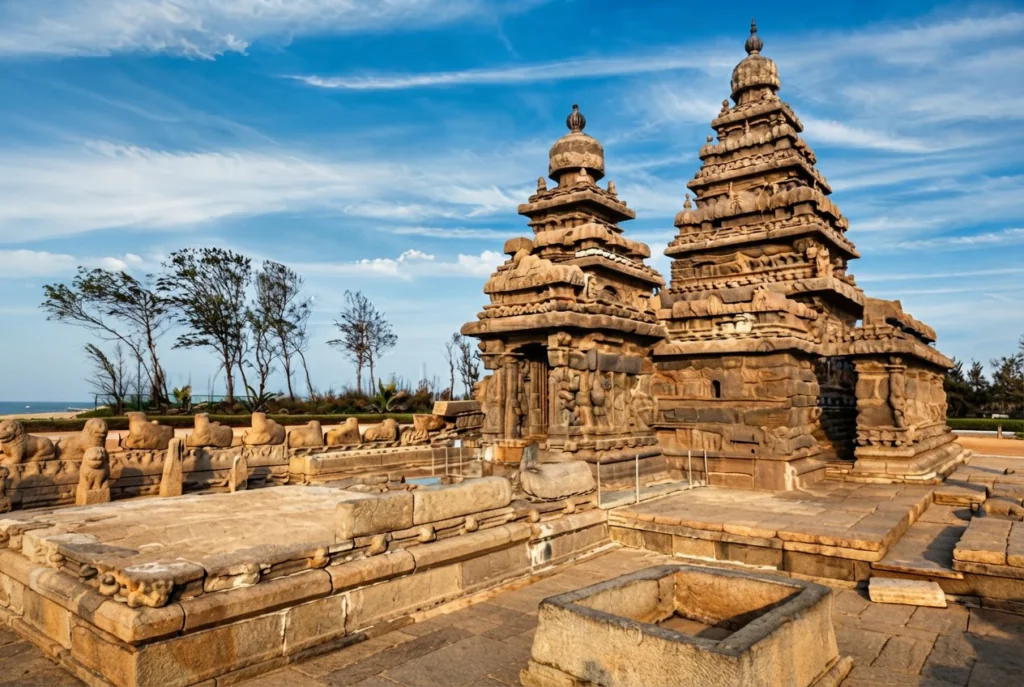
Location: Mahabalipuram, Tamil Nadu
Best Time to Visit: November to February
Why UNESCO Recognition:
- Extraordinary rock-cut temples
- Pallava dynasty architecture
- The complex of iconic Shore Temple
15. Group of Monuments at Pattadakal (1987)
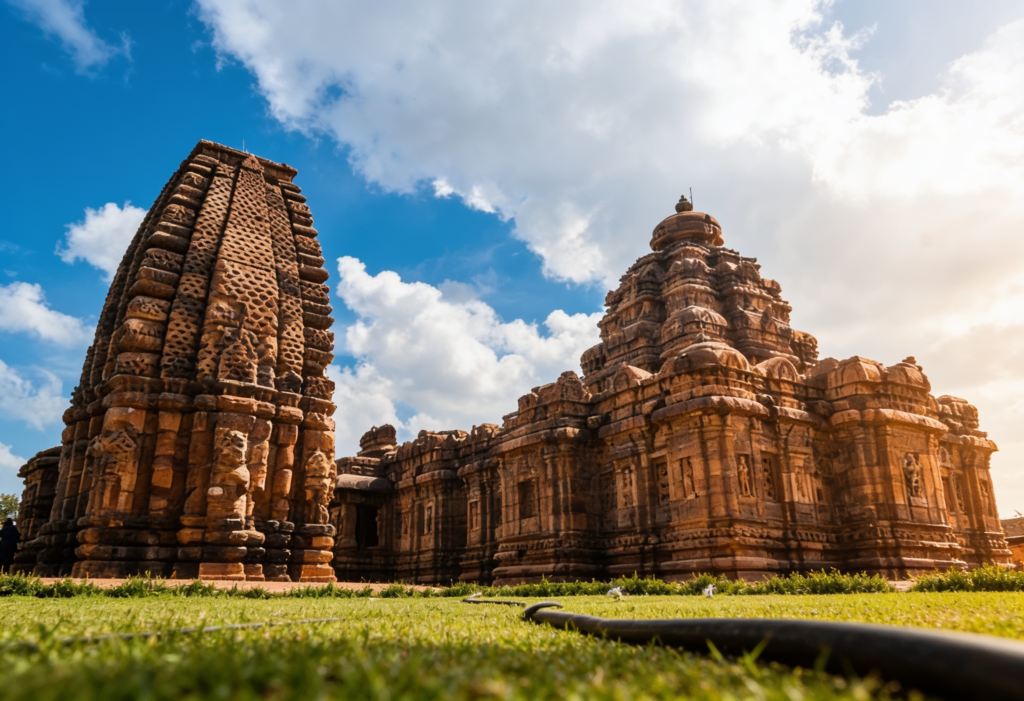
Location: Karnataka
Best Time to Visit: October to February
Why UNESCO Recognition:
- A mix of north and south architectural styles
- Chalukyan artistic excellence
- Historic temple complex
16. Hill Forts of Rajasthan (2013)
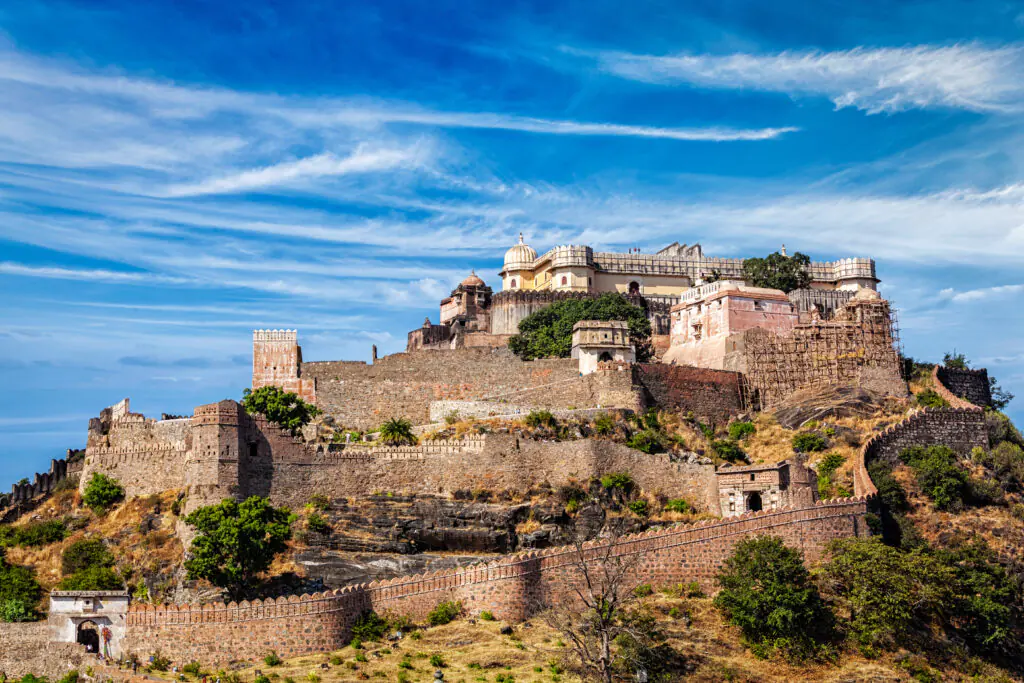
Location: Rajasthan
Best Time to Visit: October to March
Includes:
- Amber Fort
- Chittorgarh Fort
- Kumbhalgarh Fort
- Ranthambore Fort
- Gagron Fort
- Jaisalmer Fort
Why UNESCO Recognition:
- The excellent military architecture of the Rajput is evident
- Strategic hilltop construction
- The role played by the Rajput kingdoms in culture
17. Historic City of Ahmedabad (2017)
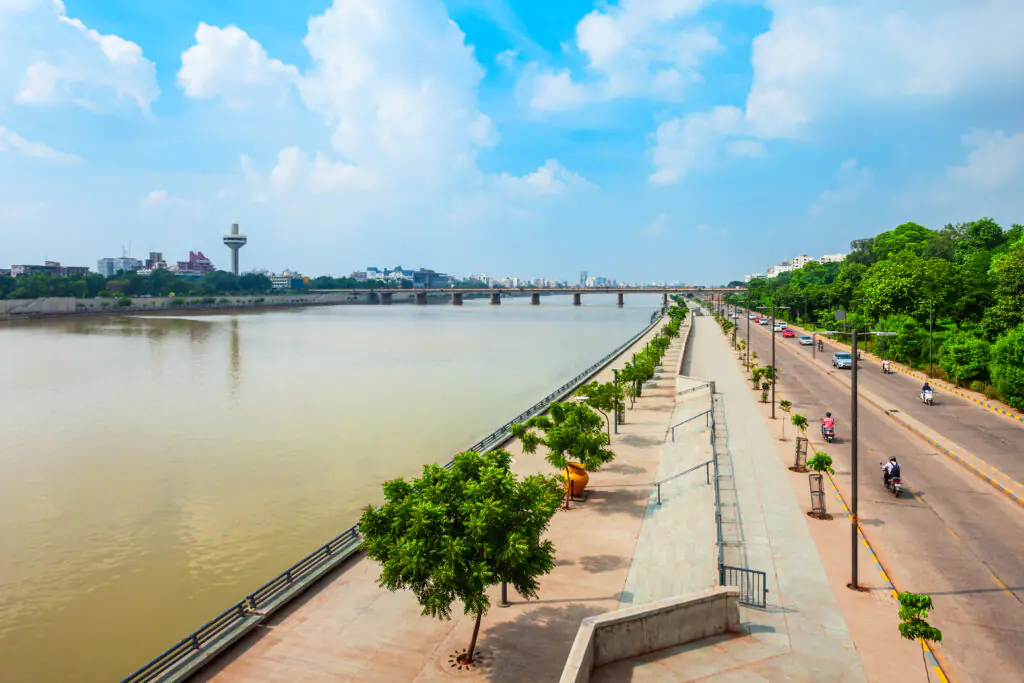
Location: Ahmedabad, Gujarat
Best Time to Visit: November to February
Why UNESCO Recognition:
- This is the first historical city of India that was recognised by the UNESCO.
- Unique urban heritage
- A combination of Hindu, Islamic and Jain beliefs
18. Humayun’s Tomb (1993)
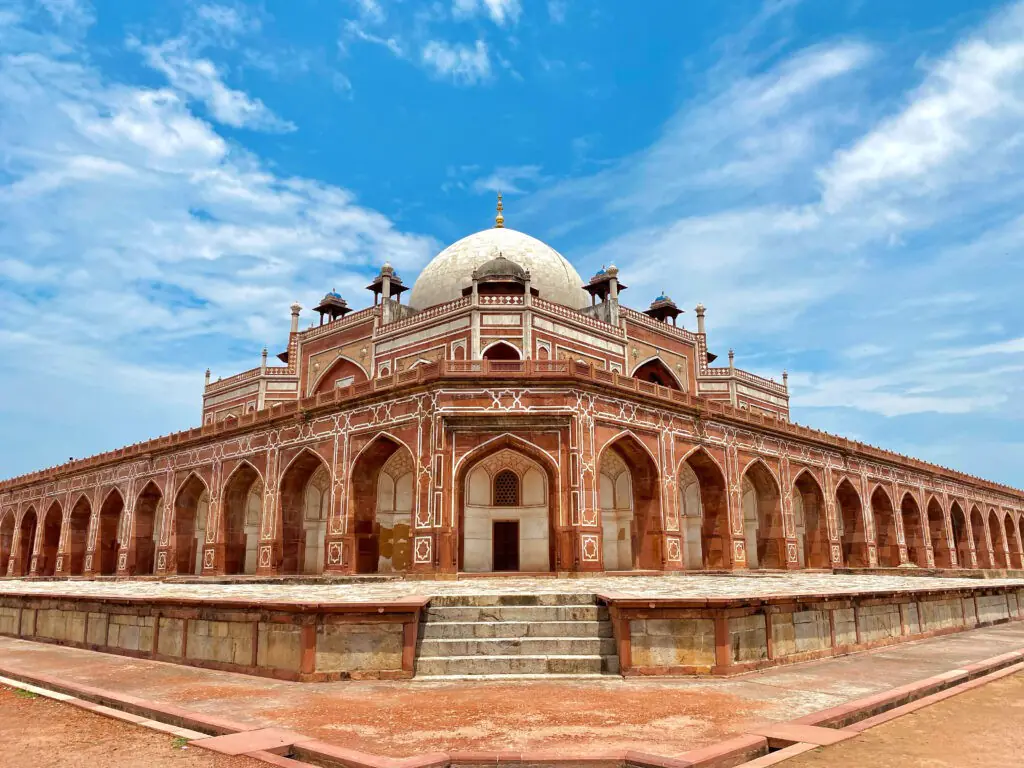
Location: New Delhi
Best Time to Visit: October to March
Why UNESCO Recognition:
- The first masterpiece of Mughal architecture
- The idea behind the Taj Mahal was inspired by this
- Exceptional Persian influence
19. Jaipur City (2019)
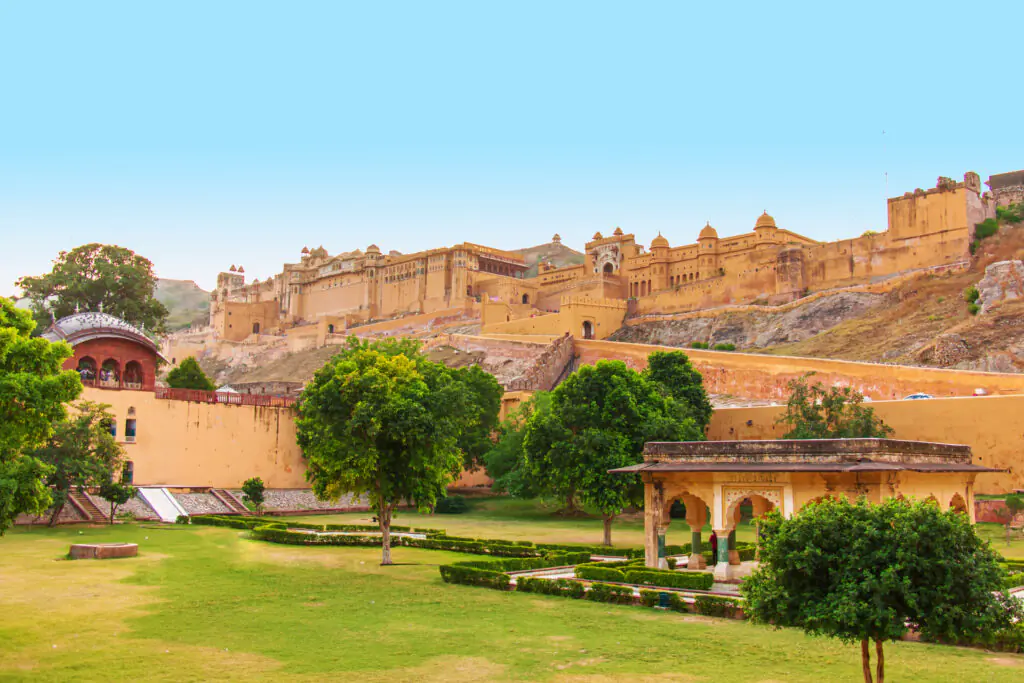
Location: Rajasthan
Best Time to Visit: October to March
Why UNESCO Recognition:
- Planned historic city
- Distinctive pink architecture
- Exceptional urban design
It is also known as the pink city of Rajasthan.
20. Kakatiya Rudreshwara (Ramappa) Temple (2021)
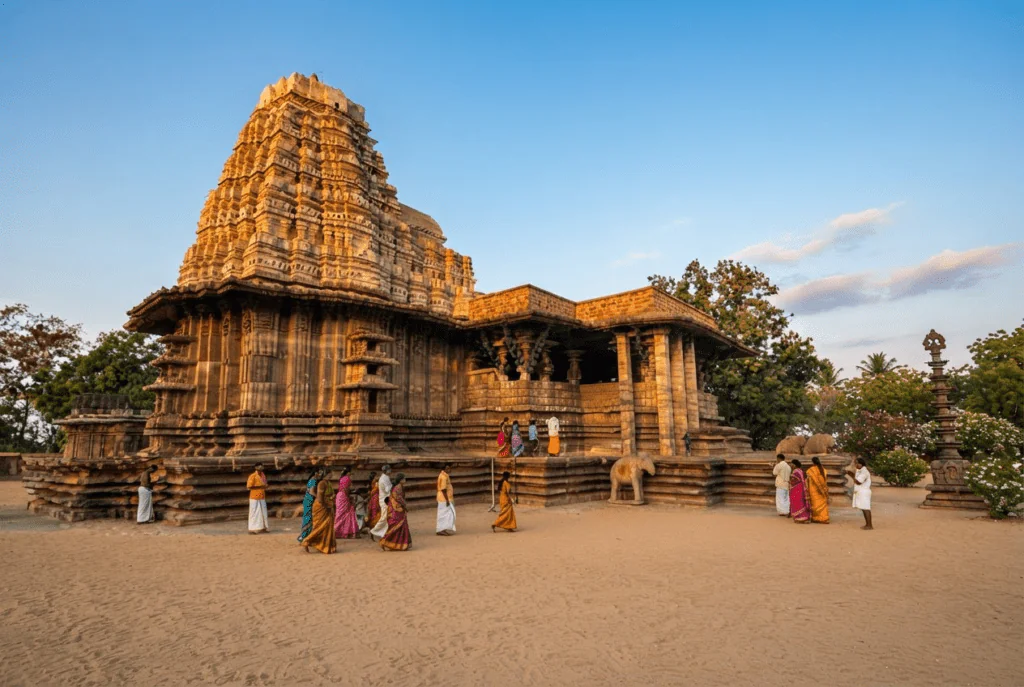
Location: Telangana
Best Time to Visit: October to February
Why UNESCO Recognition:
- Intricate temple carvings
- Advanced engineering techniques
- Architectural innovation
21. Khajuraho Group of Monuments (1986)
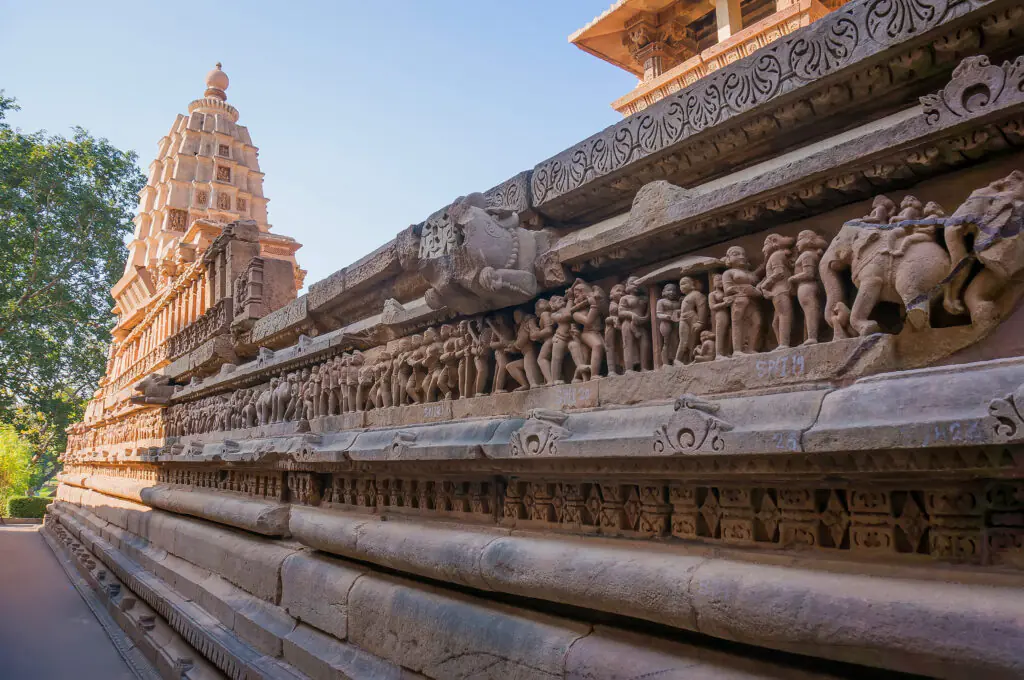
Location: Madhya Pradesh
Best Time to Visit: October to March
Why UNESCO Recognition:
- World-famous temple sculptures
- Exceptional Nagara architecture
- The image of the artist work and in spirit-life
22. Mahabodhi Temple Complex at Bodh Gaya (2002)
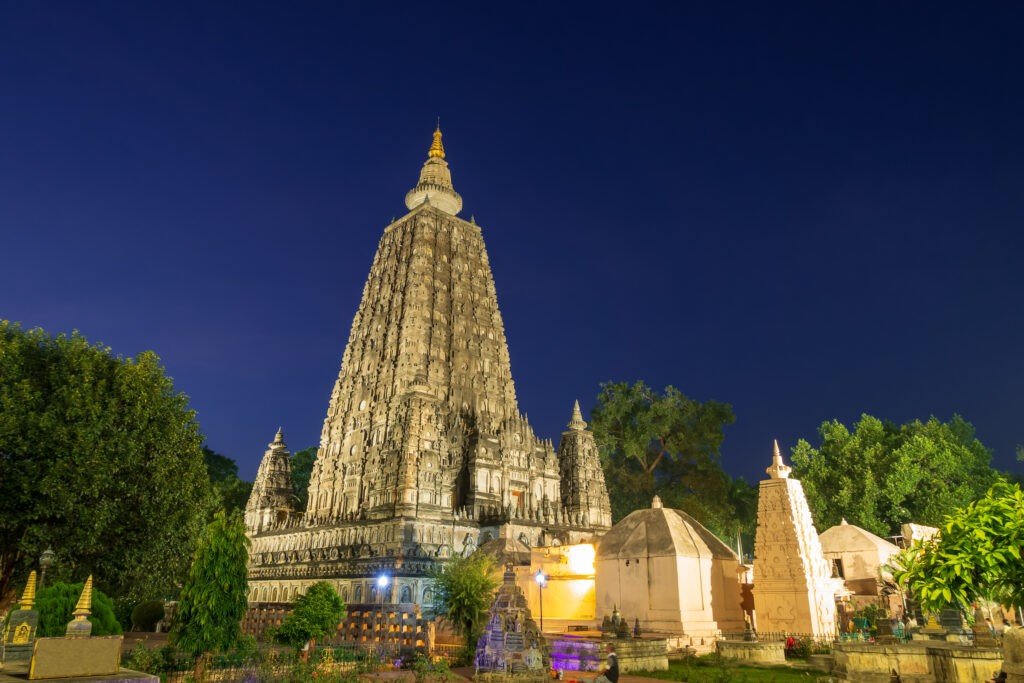
Location: Bihar
Best Time to Visit: October to February
Why UNESCO Recognition:
- The place of enlightenment or nirvana that Buddha got at that time
- Major pilgrimage destination
- Profound religious significance
23. Maratha Military Landscapes of India (2025)
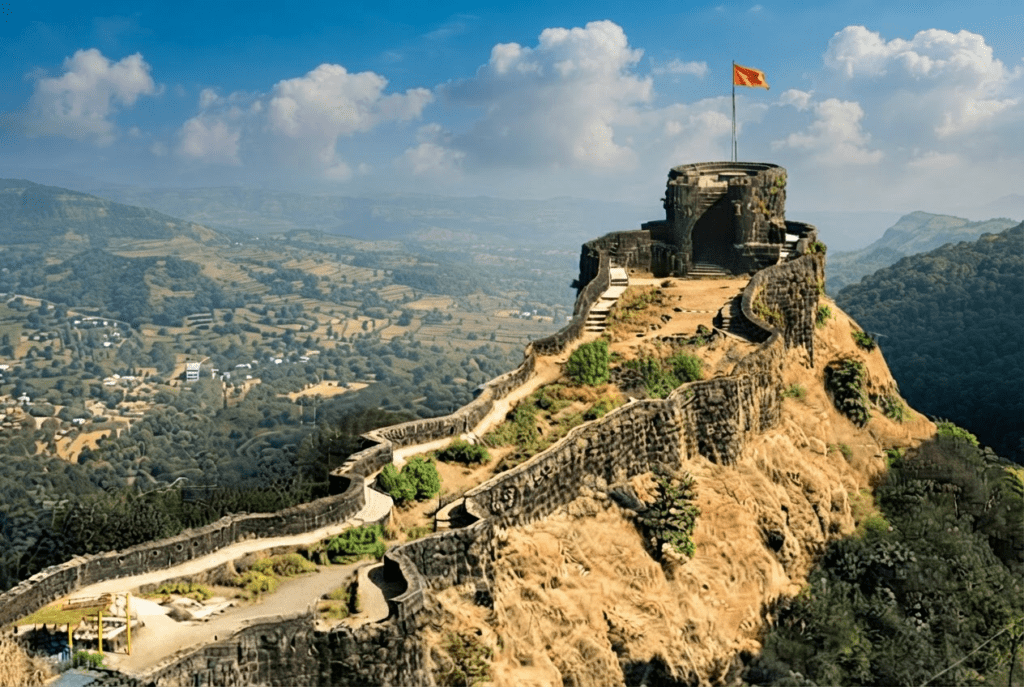
Location: Maharashtra and Tamil Nadu
Best Time to Visit: October to February
Why UNESCO Recognition:
- Strategic military fortifications
- Represent the Maratha defense systems
- Significant historical landscape
24. Moidams – the Mound-Burial System of the Ahom Dynasty (2024)
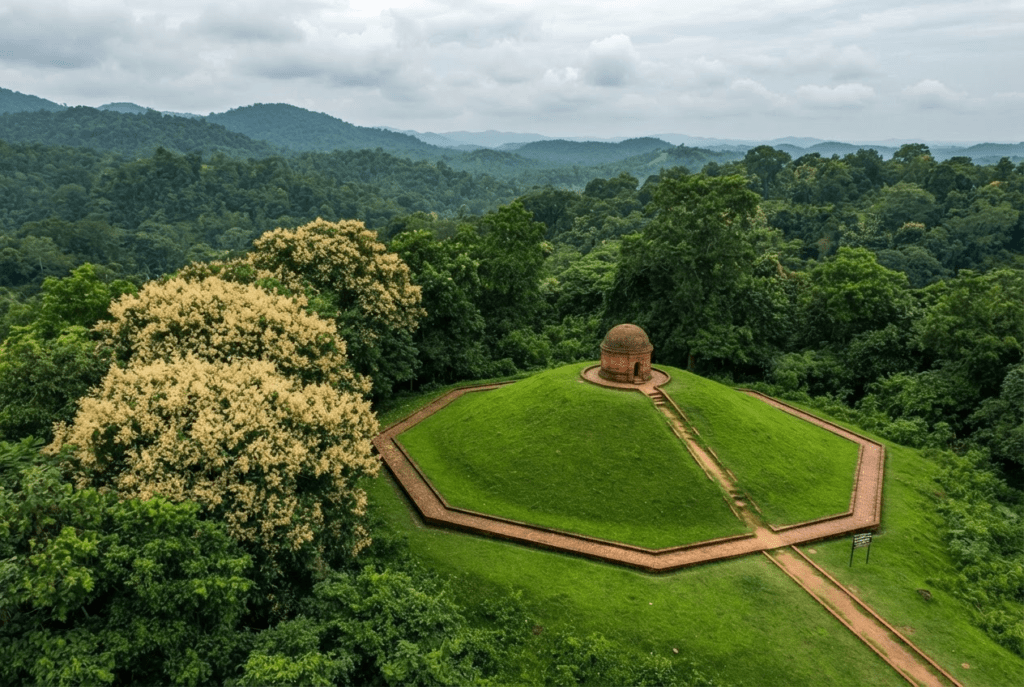
Location: Charaideo, Assam
Best Time to Visit: October to March
Why UNESCO Recognition:
- Burial customs and rituals with the kings.
- Exceptional archaeological value
- The distinctive identity of the Ahom people forms the definition of the Ahom culture.
25. Mountain Railways of India (1999, 2005, 2008)
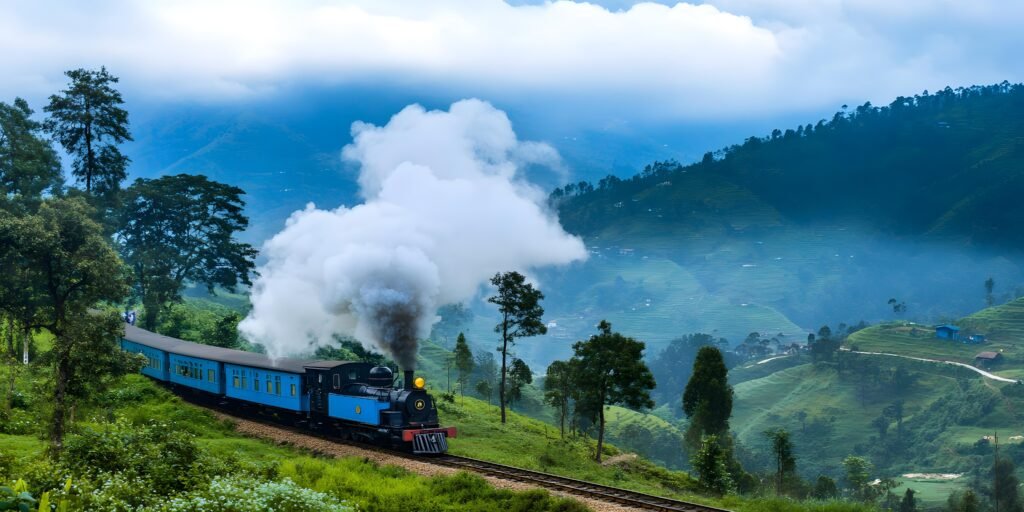
Locations:
- Darjeeling Himalayan Railway, West Bengal
- Nilgiri Mountain Railway, Tamil Nadu
- Kalka-Shimla Railway, Himachal Pradesh
Best Time to Visit: March to June and September to November
Why UNESCO Recognition:
- Historic railway engineering
- Sustainable mountain mobility and innovations
- The significance of the waterway from cultural and/or technological perspective
26. Qutb Minar and its Monuments (1993)
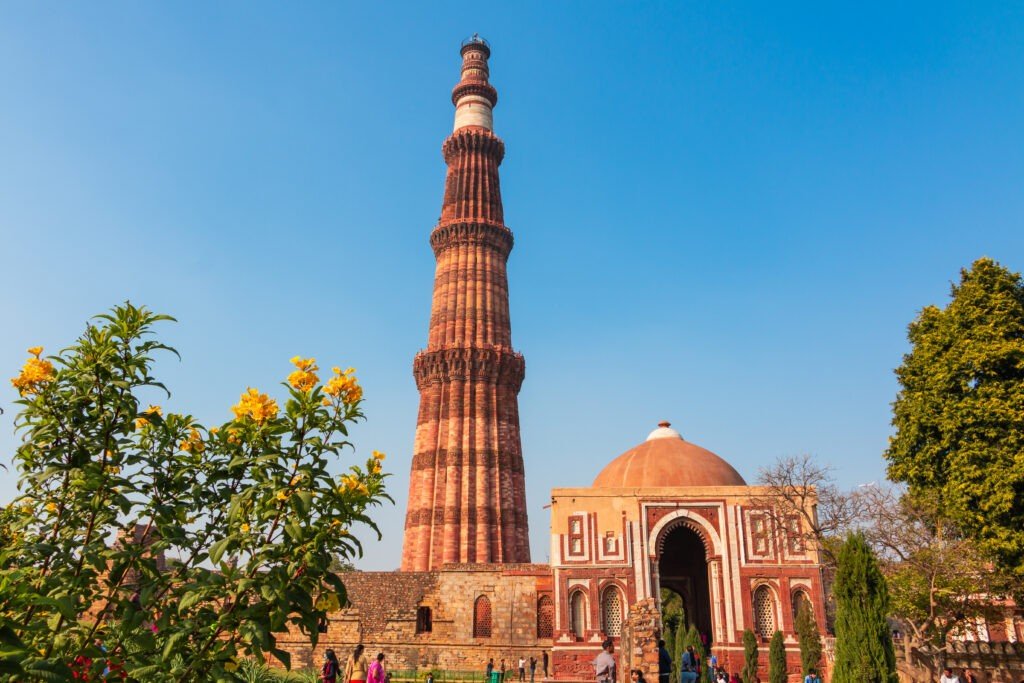
Location: Delhi
Best Time to Visit: October to March
Why UNESCO Recognition:
- The world’s tallest brick minaret
- Exceptional Indo-Islamic architecture
- Historic importance
27. Rani-ki-Vav (2014)
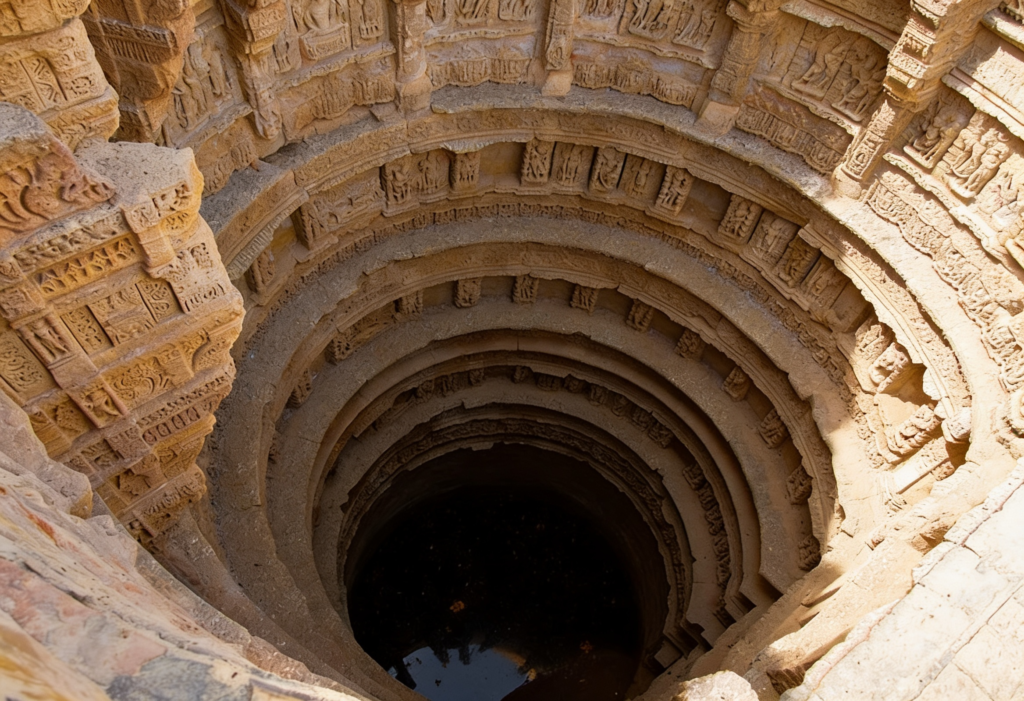
Location: Patan, Gujarat
Best Time to Visit: October to February
Why UNESCO Recognition:
- Extraordinary stepwell architecture
- Detailed sculptural artistry
- Ingenious water-saving design
28. Red Fort Complex (2007)
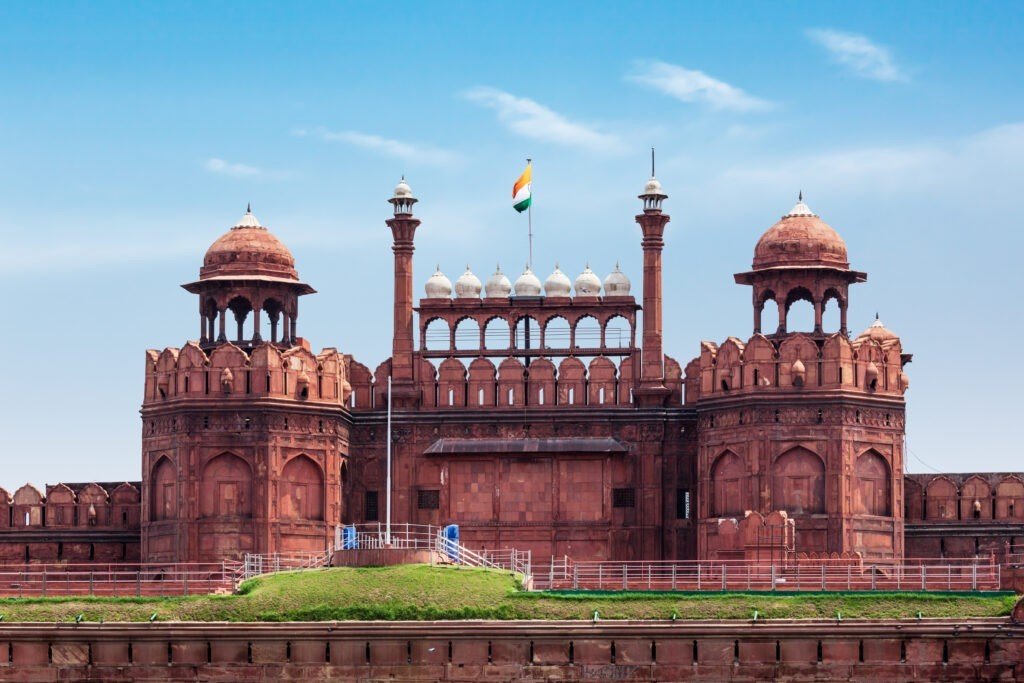
Location: Delhi
Best Time to Visit: October to March
Why UNESCO Recognition:
- A symbol of the Mughal power
- Architectural grandeur
- National historical significance
29. Rock Shelters of Bhimbetka (2003)
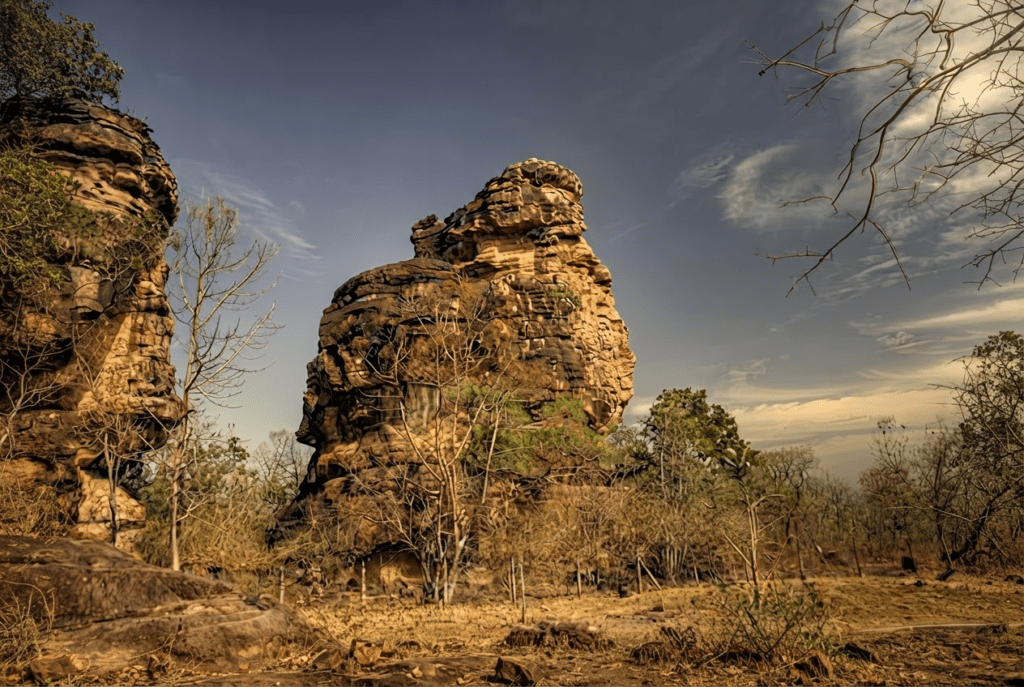
Location: Madhya Pradesh
Best Time to Visit: October to March
Why UNESCO Recognition:
- Prehistoric cave paintings
- The fossil record of early humans—human history
- Outstanding archaeological importance
30. Sacred Ensembles of the Hoysalas (2023)
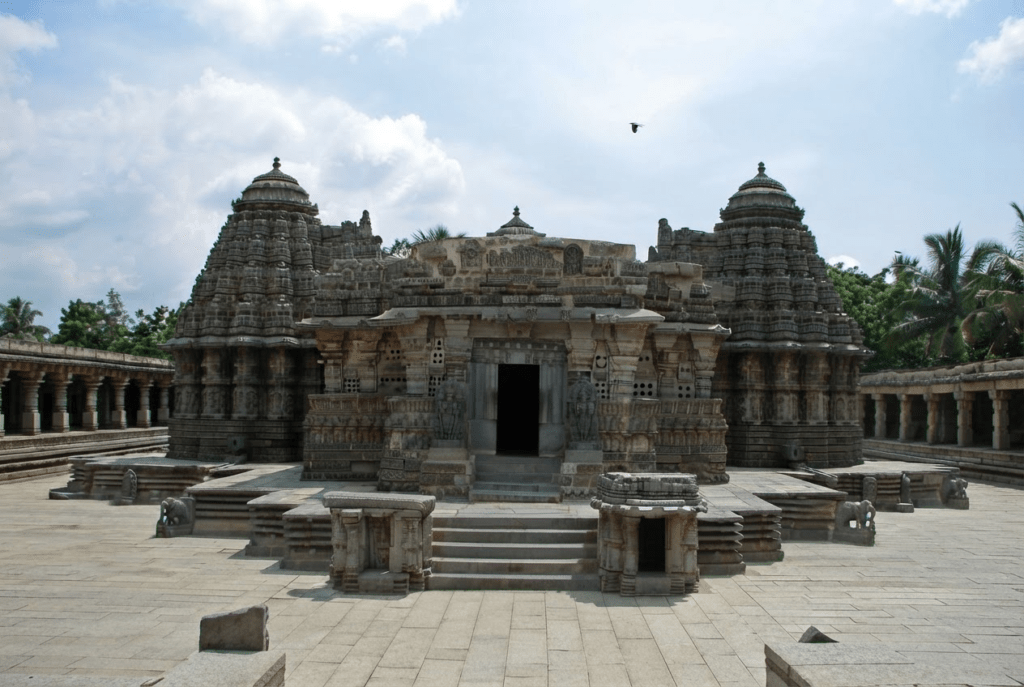
Location: Karnataka
Best Time to Visit: October to February
Why UNESCO Recognition:
- Intricate temple craftsmanship
- The stone carving is the traditional art in the region and is unsurpassed anywhere else
- The unique style of architecture of the Hoysalas
31. Santiniketan (2023)
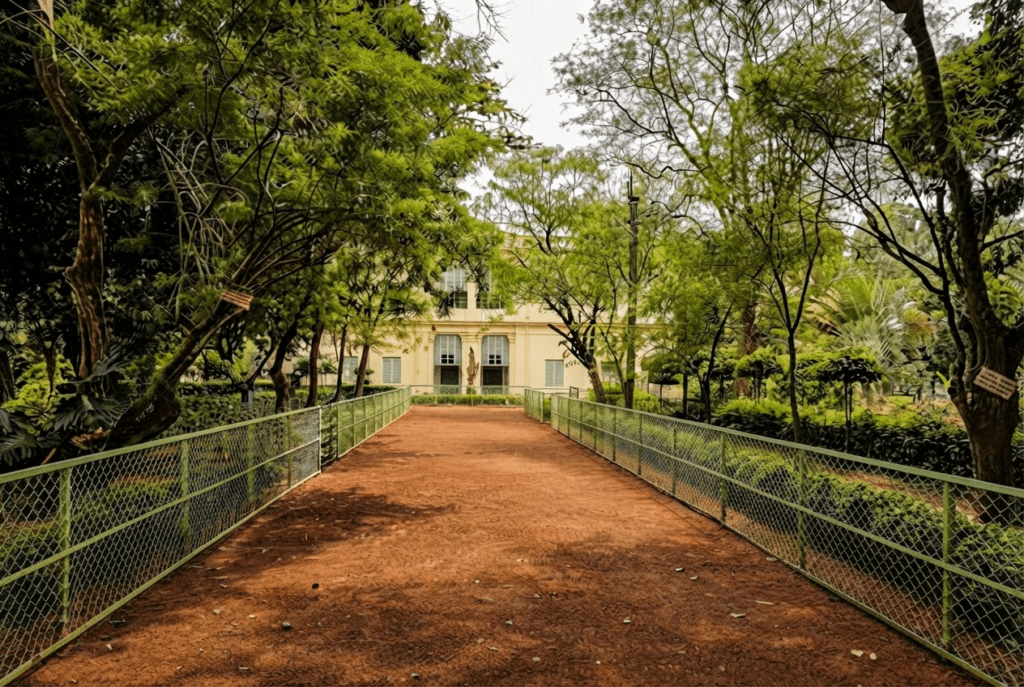
Location: West Bengal
Best Time to Visit: November to February
Why UNESCO Recognition:
- Rabindranath Tagore had set up an educational-cultural center
- Innovative learning philosophy
- Global cultural influence
32. Sun Temple, Konârak (1984)
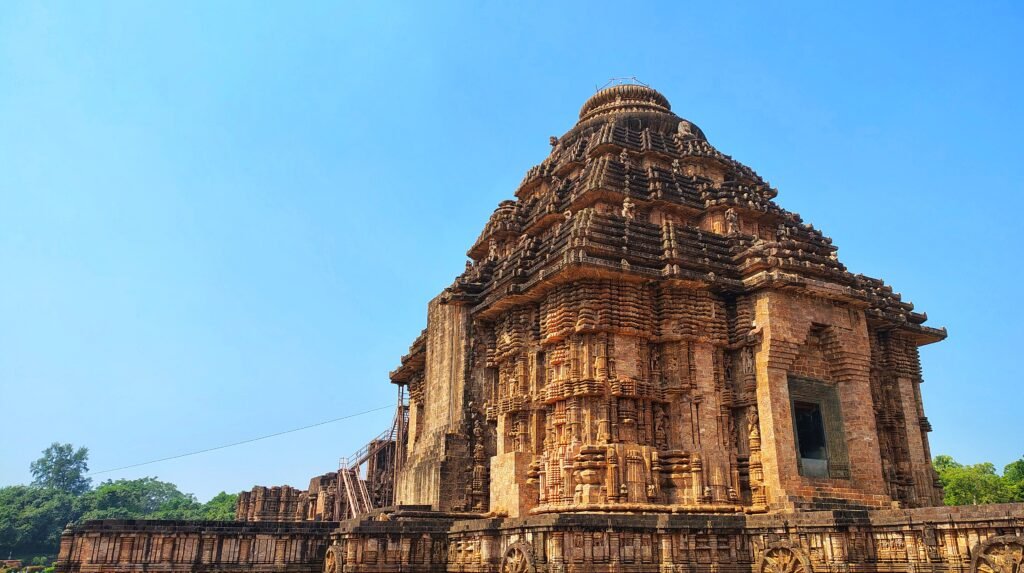
Location: Odisha
Best Time to Visit: October to February
Why UNESCO Recognition:
- A magnificent temple which is in the form of a chariot
- Exceptional stone carvings
- Architectural masterpiece
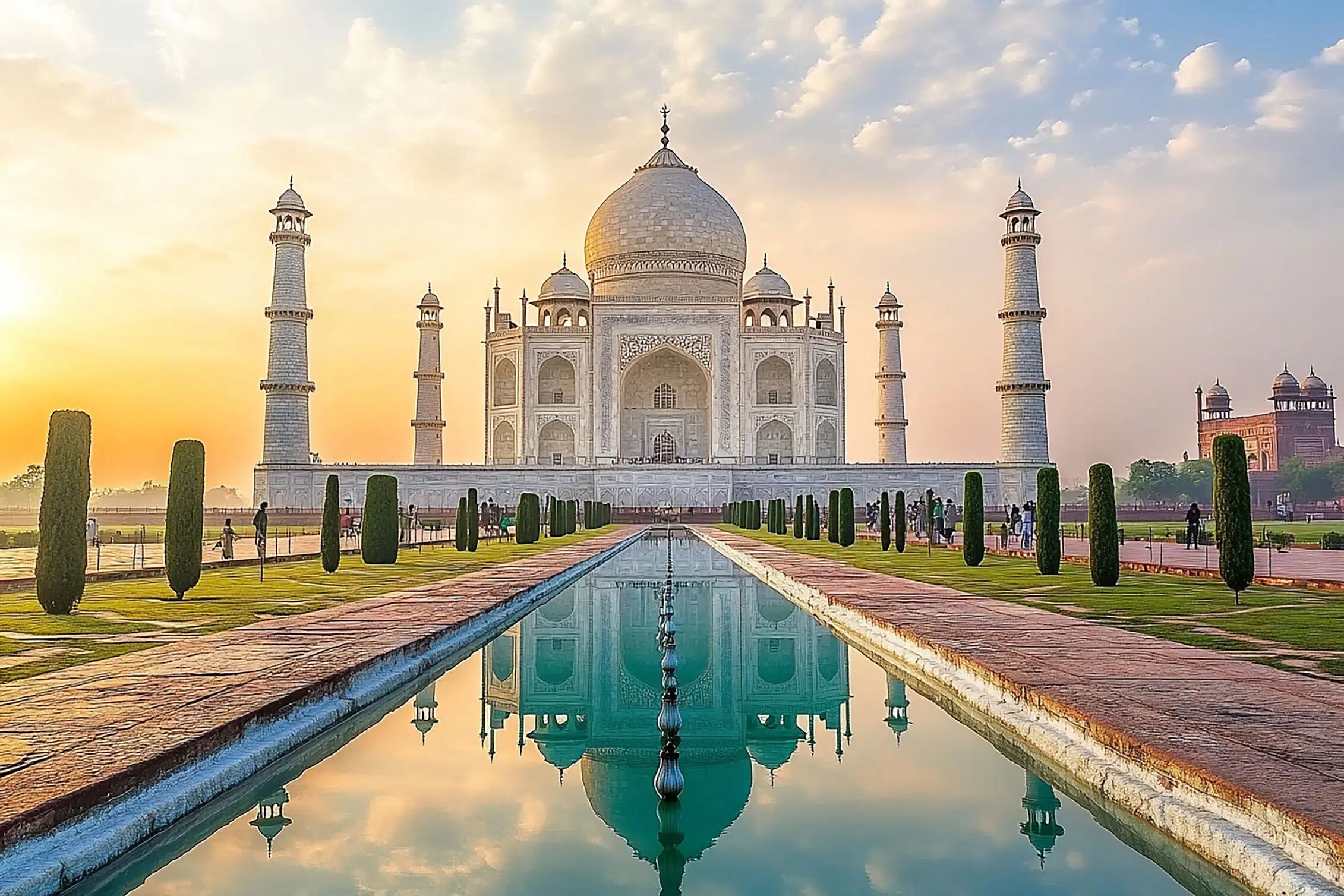
33. Taj Mahal (1983)
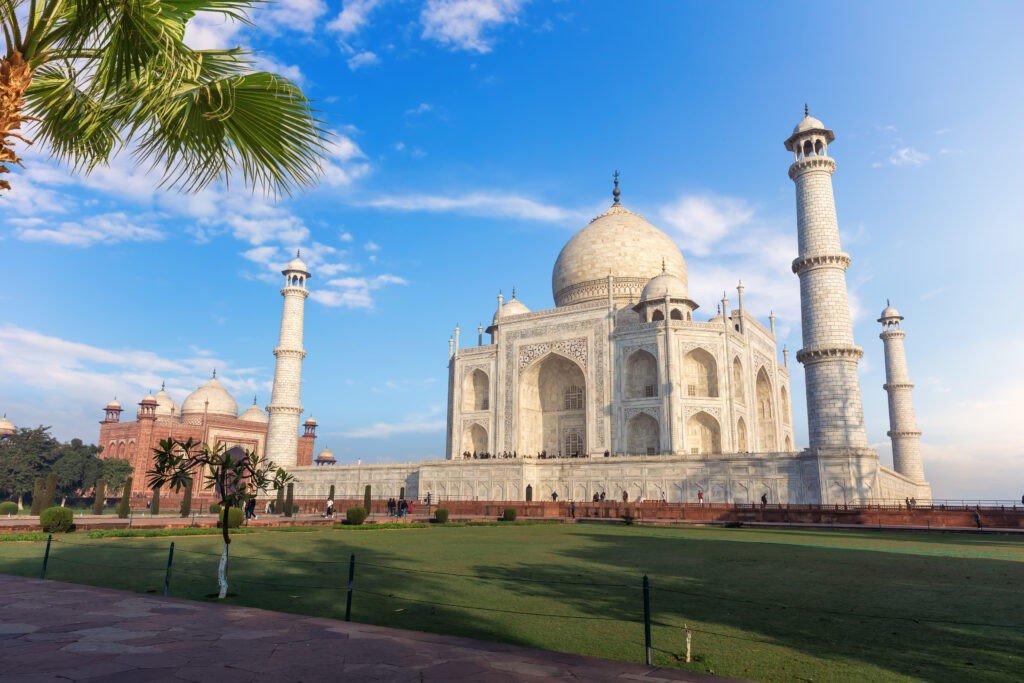
Location: Agra, Uttar Pradesh
Best Time to Visit: October to March
Why UNESCO Recognition:
- A universal symbol of love
- It is a masterpiece of architecture of the duration of Mughals
- One of the world’s most cared for monuments
It is one of the most romantic places to visit in India.
34. The Architectural Work of Le Corbusier (2016)
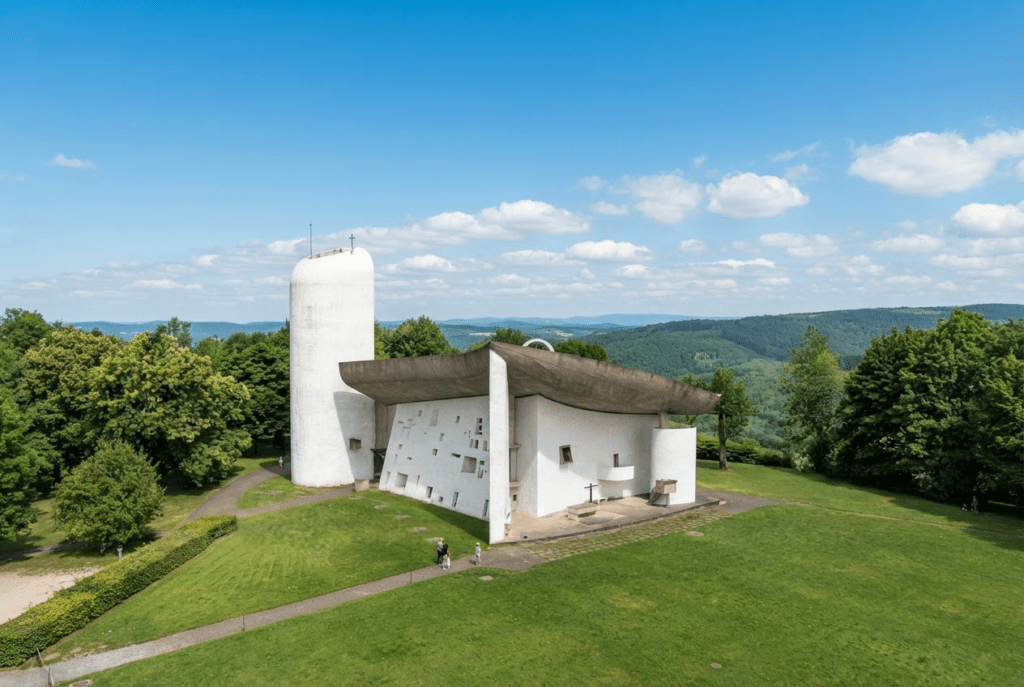
Location: Chandigarh
Best Time to Visit: October to March
Why UNESCO Recognition:
- Revolutionary modern architecture
- Urban planning is being impacted throughout the world
- Had an important role in the Modern Movement
35. Jantar Mantar, Jaipur (2010)
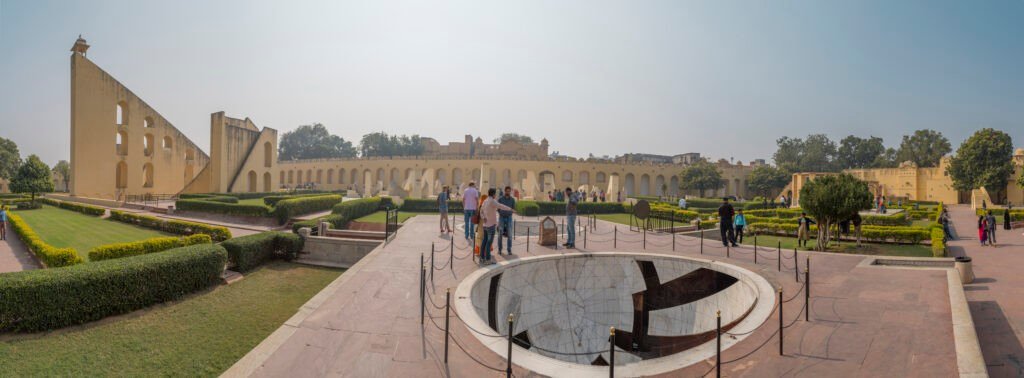
Location: Jaipur, Rajasthan
Best Time to Visit: October to March
Why UNESCO Recognition:
- Remarkable astronomical observatory
- Scientific innovation
- Exceptional precision instruments
36. Victorian Gothic and Art Deco Ensembles of Mumbai (2018)
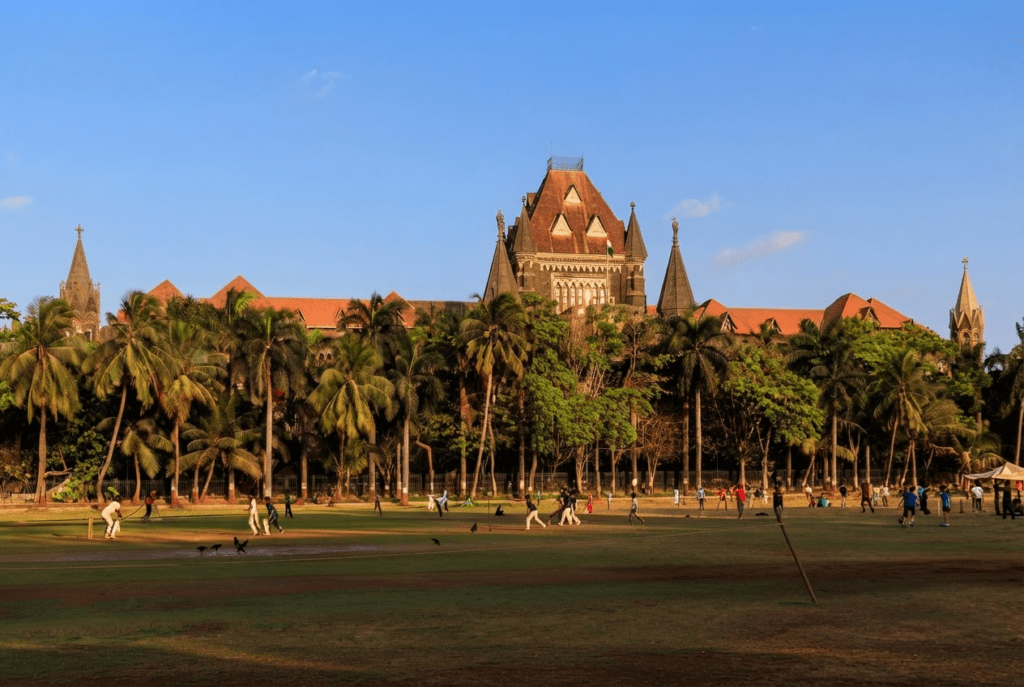
Location: Mumbai, Maharashtra
Best Time to Visit: November to February
Why UNESCO Recognition:
- A blend of architectural styles that is unique
- Reflection of Mumbai’s urban life
- Outstanding cityscape heritage
Why These World Heritage Sites in India Matter
The UNESCO World Cultural Heritage Sites in India communicate the message of ancient kingdoms, spirituality, artistic trends, and architectural innovations.
India has been home to diverse culture, religion and community, which shaped the identity of India over the centuries and is reflected by the world cultural heritage sites of India. The monuments, the temples, the forts, and the cities, as well as archaeological sites, made up a most amazing cultural story.
These are good places to witness a memorable travel experience as visitors come face-to-face with the cultural commitment of India, from history, architecture, spirituality, to culture.
Exploring Cultural Heritage in India Responsibly
As more and more people take up world heritage tourism, they can contribute to the preservation of these treasures by travelling responsibly. Detailing each alternative option for use, while always taking care that the extraordinary sites can be visited in the future, requires careful planning and consideration such as ensuring the local community and its traditions are promoted.
This is why visiting these precious places responsibly is important to ensure that these cultural heritage sites in India continue to live through us and for us and the generations to come!
Renowned for adventure travel, those looking for an experience beyond the typical might look for a vacation rental that is more memorable and unique. A wide variety of edges that are suitable for your holidays to India’s cultural and natural heritage can easily be found in websites such as Solis nature.
Final Thoughts
From the ancient days of the Taj Mahal to the ancient wisdom of Nalanda, each of the world cultural heritage sites in India, such as Ajanta and Ellora, and the forts of Rajasthan, is a priceless gift of India that has been shared with humanity.
UNESCO World Heritage Sites highlight the rich culture of India and it is celebrated in different ways. Each one of these UNESCO World Cultural Heritage Sites in India is full of experience worth living and discovering, being inspired by and awestruck at the Indian history.
History buffs, architecture fans and the spiritual and cultural enthusiasts alike can’t get enough of the World Heritage Sites in India.
FAQs
1. How does a place get UNESCO World Heritage Site status?
A site is first nominated by the country where it is located and then evaluated by UNESCO’s advisory bodies based on its cultural, historical, scientific, or natural significance. The site must demonstrate Outstanding Universal Value and meet at least one of UNESCO’s selection criteria before being approved by the World Heritage Committee. To learn more about the nomination and evaluation process, visit this detailed explanation on Quora:.https://www.quora.com/What-is-the-process-by-which-a-place-is-given-the-UNESCO-World-Heritage-site-status.
2. What are the criteria for declaring a place a UNESCO World Heritage Site?
UNESCO evaluates sites based on ten selection criteria. Cultural sites may qualify for their architectural excellence, artistic achievements, historical significance, cultural traditions, or influence on human civilization, while natural sites are assessed for ecological and geological importance. You can read more about the criteria here: What are the criteria for declaring a place a UNESCO World Heritage Site?.
3. How many UNESCO World Cultural Heritage Sites are there in India?
As of 2026, India has 36 UNESCO World Cultural Heritage Sites, ranging from iconic landmarks such as the Taj Mahal and Qutb Minar to recently added sites like the Sacred Ensembles of the Hoysalas, Santiniketan, Moidams of Assam, and the Maratha Military Landscapes of India.
4. Which is the most famous UNESCO World Cultural Heritage Site in India?
The Taj Mahal in Agra, Uttar Pradesh, is widely considered the most famous UNESCO World Cultural Heritage Site in India. Recognized in 1983, it is celebrated globally for its architectural beauty, historical significance, and enduring symbolism of love.
5. What is the best way to explore UNESCO World Cultural Heritage Sites in India?
The best way is to combine heritage exploration with regional travel experiences. Planning visits according to the ideal season, spending time understanding the history behind each site, supporting local communities, and choosing thoughtfully curated stays can make the journey more meaningful and immersive.