15 Best Places to Visit in Vietnam for Cafés, Coastlines & Culture
Discover the best places to visit in Vietnam in 2026 including Hanoi, Hoi An, Ha Long Bay, Da Nang, cafés, coastlines, mountain towns, and cultural experiences.
Vietnam feels like a country that changes rhythm every few days. The best places to visit in Vietnam are not all fast-moving or dramatic either. Some are quieter coastal towns. Others feel cultural and chaotic at the same time. A few stay memorable simply because life moves differently there.
One moment, there are scooters flooding narrow city streets while tiny cafés spill onto sidewalks under yellow lights. A few days later, everything slows down near rice terraces, fishing villages or quiet coastal towns where afternoons stretch longer than expected. That contrast is part of what makes Vietnam memorable.
A lot of travelers initially come for affordability or famous places they’ve seen online. Ha Long Bay. Hoi An. Hanoi’s train street. But once the trip actually begins, Vietnam starts becoming more about atmosphere than landmarks alone.
The smell of coffee drifting through old alleyways in Hanoi. Rain hitting lantern-lit streets in Hoi An. Limestone mountains rising unexpectedly beside empty roads in Ninh Binh. Even long train rides somehow become part of the experience instead of just transportation.
This guide brings together destinations that show different sides of Vietnam properly: cafés, coastlines, mountain landscapes, old towns and places where travelers usually end up slowing down more than planned.
Why Vietnam Feels Different From Other Southeast Asian Destinations
Vietnam has movement everywhere. Scooters weaving through traffic. Tiny plastic chairs filling sidewalks at night. Markets opening before sunrise. Trains passing directly beside homes and cafés. And yet somehow, quieter moments still exist inside all that energy. That balance makes Vietnam feel layered.
The north looks completely different from the south. Mountain towns feel disconnected from coastal cities. Hanoi’s older streets carry a different atmosphere than Ho Chi Minh City’s fast-paced energy. Food shapes travel here too. All these places to visit in Vietnam come together to give you an unforgettable experience.
Coffee culture stays deeply rooted in daily life, especially in cities where hidden cafés appear above bookstores, beside train tracks, or behind old apartment buildings. Travelers often arrive expecting beaches or landscapes and leave talking just as much about conversations, street food, and slow mornings in cafés. Vietnam also rewards slower travel surprisingly well. Certain places reveal themselves gradually instead of immediately.
15 Best Places to Visit in Vietnam for Cafés, Coastlines & Culture
Some places in Vietnam feel cinematic instantly. Others become memorable quietly over time. Usually both matter equally.
Hanoi
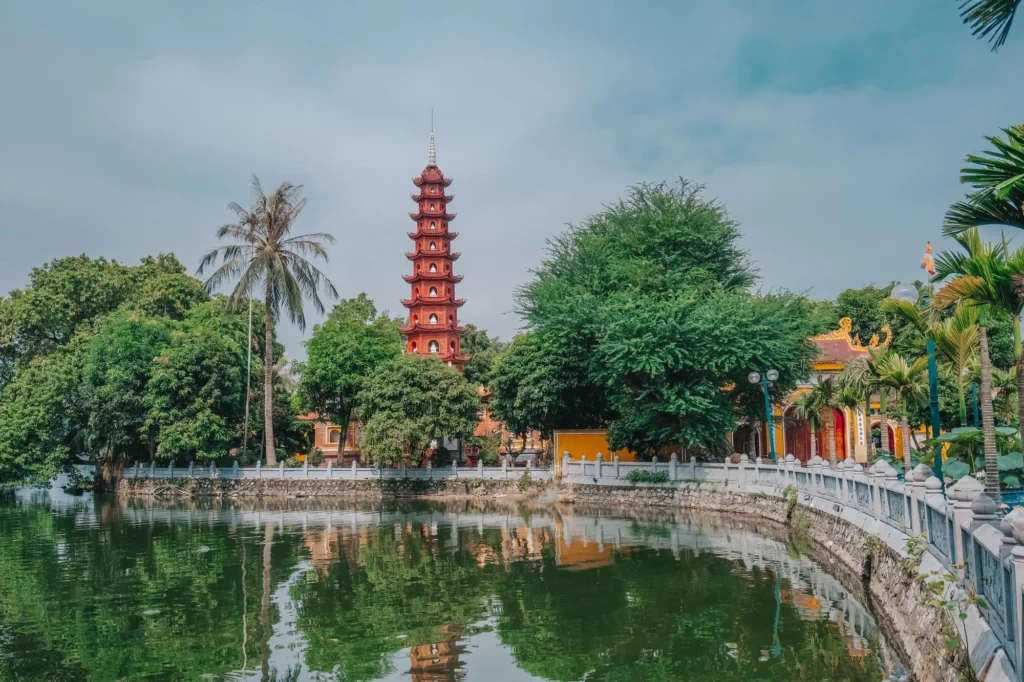
Hanoi feels intense at first. Scooters move endlessly through narrow streets while café conversations spill onto sidewalks late into the evening. Old buildings stand beside modern shops without much order separating them. But after a day or two, the city starts making sense differently.
People slow down near Hoan Kiem Lake during sunrise. Tiny coffee shops stay hidden inside old apartment buildings. Rain arrives suddenly and changes the atmosphere of entire streets within minutes. The chaos becomes part of the charm eventually. Hanoi is a must visit places to visit in Vietnam.
Best Time to Visit:
October to April offers cooler and more comfortable weather.
What Makes It Special:
- Hidden café culture
- Old Quarter streets
- Traditional Vietnamese food
- Historic architecture
Travel Tip:
Cross roads slowly and steadily in Hanoi traffic. Sudden stops confuse scooter drivers more than continuous movement.
Hoi An
Hoi An feels softer than most Vietnamese cities.
Yellow buildings line lantern-lit streets while bicycles move quietly past riverside cafés during the evening. Some places become overly photographed and lose personality after a while. Hoi An somehow still keeps its atmosphere intact. Especially early in the morning before crowds fully arrive.
Best Time to Visit:
February to April.
What Makes It Special:
- Lantern-filled old town
- Riverside cafés
- Tailor shops
- Historic architecture
Travel Tip:
Wake up early at least once here. The old town feels completely different before 8 AM.
Ho Chi Minh City
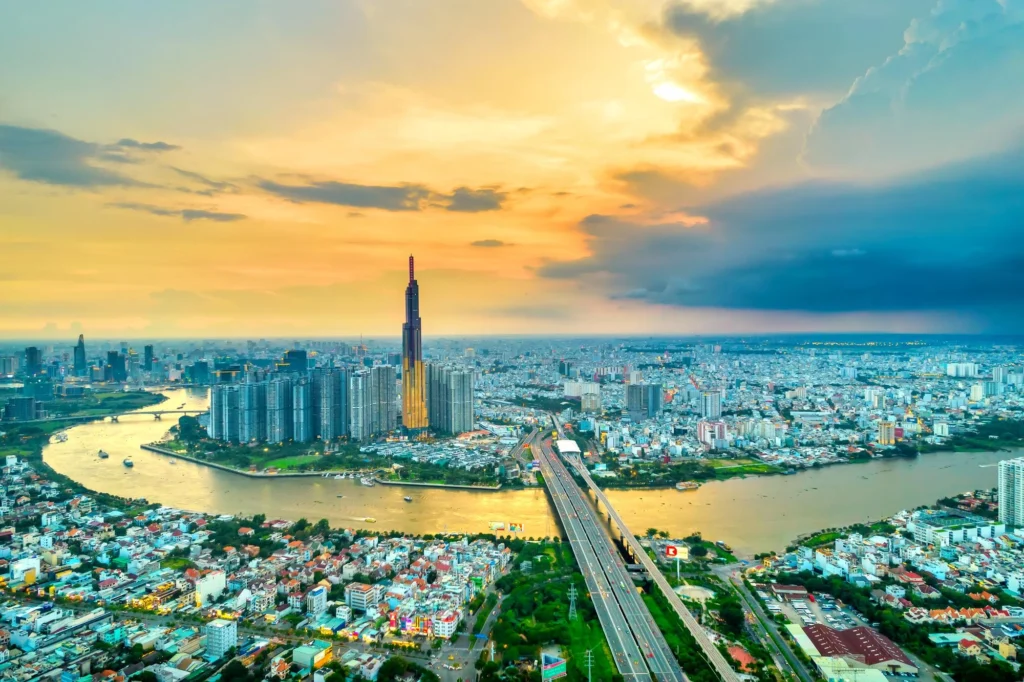
Ho Chi Minh City moves fast. Traffic rarely stops completely. Cafés stay full. Rooftop bars remain active late into the night while local food stalls continue serving customers beside busy streets. If you are a café person then this should be in your list of places to visit in Vietnam.
The city feels modern and chaotic at the same time. But there’s depth underneath the energy too. Old apartment cafés, museums tied to Vietnam’s history, quieter alleys hidden behind crowded roads. Travelers often underestimate how much personality the city carries.
Best Time to Visit:
December to March.
What Makes It Special:
- Rooftop cafés and bars
- Street food culture
- Historical museums
- Nightlife atmosphere
Travel Tip:
Use walking apps carefully. Distances often feel longer because of traffic and humidity.
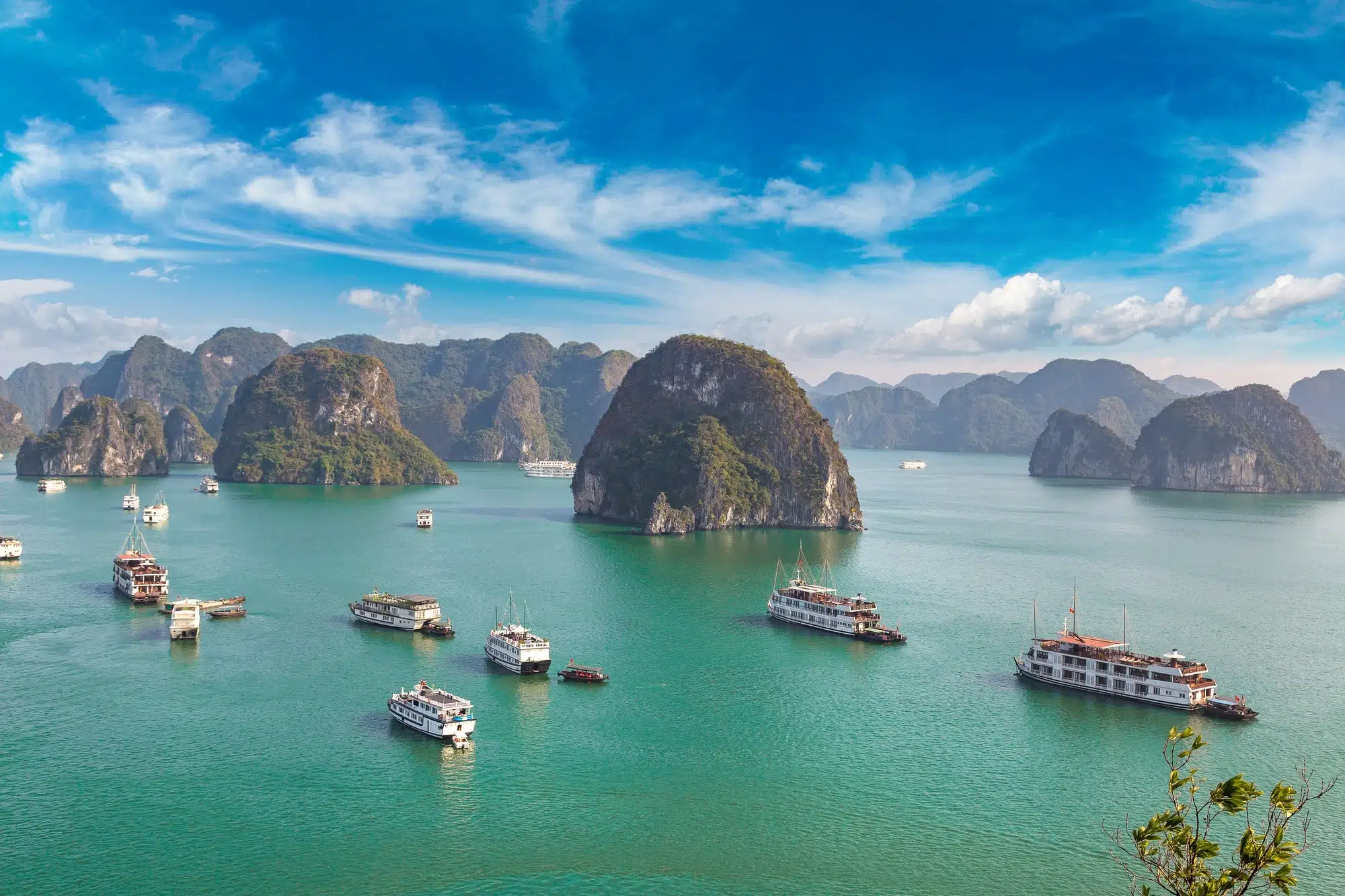
Ha Long Bay
Ha Long Bay almost feels unreal during foggy mornings.
Limestone islands rise slowly through the mist while boats move quietly across the water. Certain parts feel tourist-heavy now, yes, but the landscape still manages to feel dramatic in person. Especially overnight. The bay becomes calmer after most day-trip boats leave.
Best Time to Visit:
October to April.
What Makes It Special:
- Limestone island landscapes
- Overnight cruises
- Kayaking experiences
- Scenic coastal views
Travel Tip:
Choose smaller cruise operators if possible for quieter experiences.
Da Nang
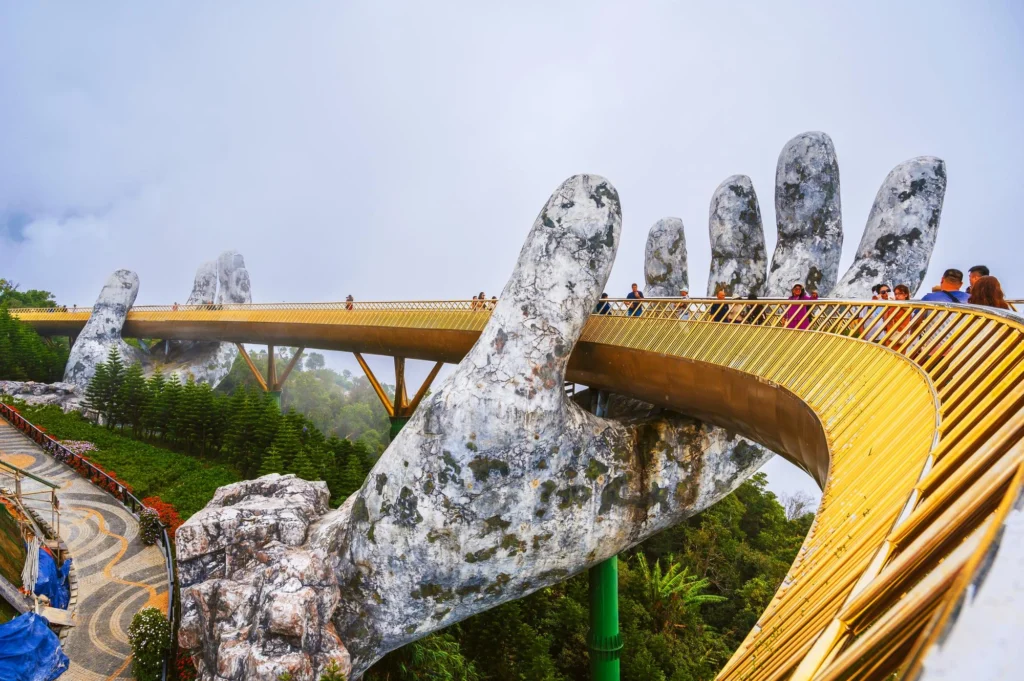
Da Nang feels more relaxed than Vietnam’s larger cities.
The coastline stretches long beside modern cafés and quieter beach areas while mountains rise behind the city in the distance. Travelers often treat Da Nang as a short stop between Hoi An and Hue. Honestly, it deserves more time than that. Find stays in Da Nang that are as cool as the city.
Best Time to Visit:
February to May.
What Makes It Special:
- Long sandy beaches
- Modern café culture
- Coastal city atmosphere
- Nearby mountain roads
Travel Tip:
My Khe Beach feels busiest near sunset hours. Mornings stay calmer.
Ninh Binh
Ninh Binh feels peaceful in a way that surprises many travelers.
Rice fields spread beneath limestone cliffs while narrow rivers move slowly through caves and valleys. The landscapes almost resemble Ha Long Bay, except on land instead of water. The pace feels slower here too. Less city noise. More space.
Best Time to Visit:
March to May.
What Makes It Special:
- Limestone mountain scenery
- River boat rides
- Rice field landscapes
- Quiet countryside atmosphere
Travel Tip:
Tam Coc stays more crowded. Trang An usually feels calmer for boat rides.
Sapa
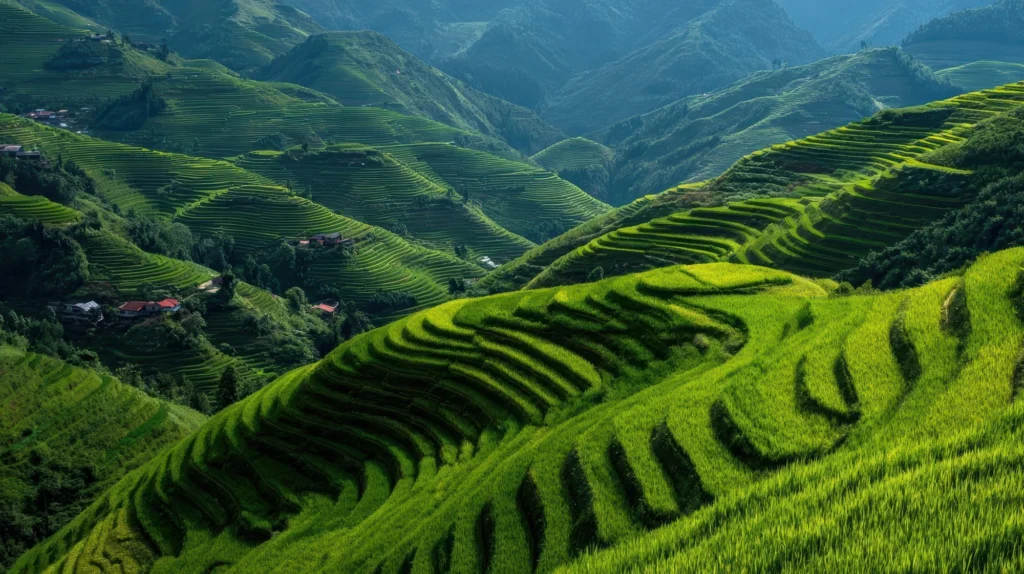
Sapa changes completely depending on weather. Some mornings reveal endless rice terraces stretching across the mountains. Other days disappear into thick fog where entire valleys vanish for hours.
Either version feels memorable honestly. The region carries a quieter rhythm compared to Vietnam’s cities.
Best Time to Visit:
March to May or September to November.
What Makes It Special:
- Mountain landscapes
- Rice terraces
- Village trekking routes
- Cooler climate
Travel Tip:
Temperatures drop quickly at night, especially during winter months.
Hue
Hue feels historical without trying too hard.
Old imperial structures sit quietly beside rivers while local cafés remain less crowded compared to larger tourist cities nearby. Travelers interested in Vietnam’s cultural history usually end up appreciating Hue more deeply after spending a full day there. The atmosphere feels slower too.
Best Time to Visit:
January to April.
What Makes It Special:
- Imperial City architecture
- Riverside cafés
- Historical landmarks
- Traditional Vietnamese culture
Travel Tip:
Renting a bicycle works surprisingly well for exploring quieter parts of Hue.
Phu Quoc
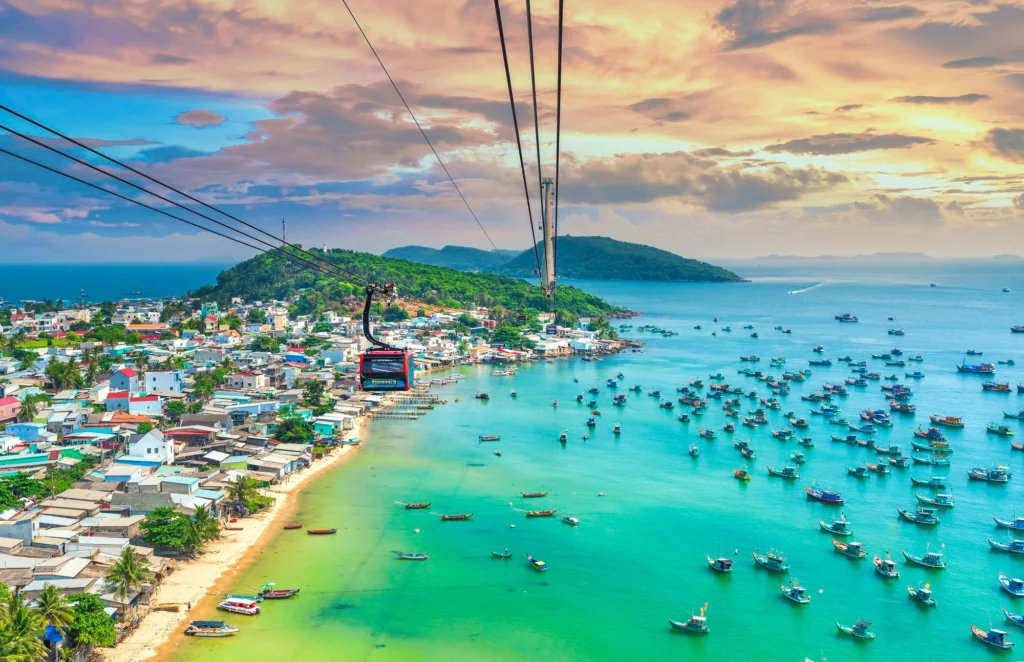
Phu Quoc feels tropical in a completely different way from mainland Vietnam.
Palm trees, slower roads, fishing villages, beach cafés. The island carries a calmer atmosphere once travelers move beyond larger resort areas. Sunsets here stay especially beautiful during dry season evenings. If you are looking for tropical places to visit in Vietnam then this is your place. At Solis Nature we got you stays in Phu Quoc that matches with the whole vibe of the place.
Best Time to Visit:
November to April.
What Makes It Special:
- Island beaches
- Seafood markets
- Sunset views
- Coastal resorts
Travel Tip:
Staying near smaller beach areas creates a quieter experience than central tourist zones.
Da Lat
Da Lat barely feels tropical sometimes.
Cooler weather, pine trees, cafés hidden inside hillsides, fog drifting through the city during evenings. Travelers often describe it as one of Vietnam’s more unusual destinations because the atmosphere feels completely different from coastal regions nearby. And that contrast works beautifully.
Best Time to Visit:
December to March.
What Makes It Special:
- Mountain cafés
- Cooler climate
- Pine forest scenery
- Waterfalls nearby
Travel Tip:
Rain appears suddenly here, so carry light layers throughout the day.
Cat Ba Island
Cat Ba feels more relaxed than Ha Long Bay’s busier cruise areas.
Travelers spend days biking through quiet roads, kayaking near limestone cliffs, or simply sitting near the harbor watching fishing boats return during sunset.
The island feels slower overall. Less polished too, in a good way.
Best Time to Visit:
October to April.
What Makes It Special:
- Island scenery
- Kayaking experiences
- Quiet coastal atmosphere
- Limestone cliffs
Travel Tip:
Scooter rentals help explore quieter beaches outside the town center.
Mui Ne
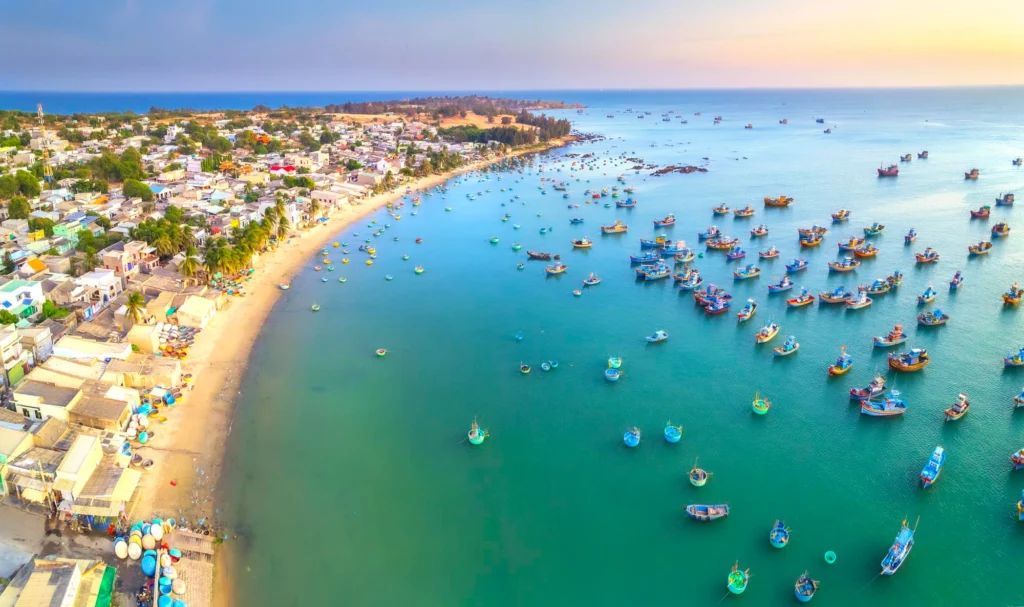
Mui Ne surprises people.
Sand dunes beside the coastline make parts of the landscape feel almost desert-like while fishing villages continue operating normally nearby. Windy afternoons bring kitesurfers into the water while evenings slow down near seafood restaurants along the coast. The scenery feels unusual for Vietnam.
Best Time to Visit:
November to March.
What Makes It Special:
- Coastal sand dunes
- Kitesurfing culture
- Seafood restaurants
- Beach sunsets
Travel Tip:
Visit the dunes early in the morning before temperatures rise heavily.
Nha Trang
Nha Trang feels energetic without becoming overwhelming.
Beachfront cafés, island tours, nightlife, and seafood spots keep the city active through most evenings. But quieter experiences still exist nearby once travelers move away from the central tourist stretches. The coastline remains the main attraction here.
Best Time to Visit:
January to August.
What Makes It Special:
- Beachfront atmosphere
- Island tours
- Seafood culture
- Coastal nightlife
Travel Tip:
Beach areas stay hottest during midday. Plan outdoor activities early.
Ha Giang Loop
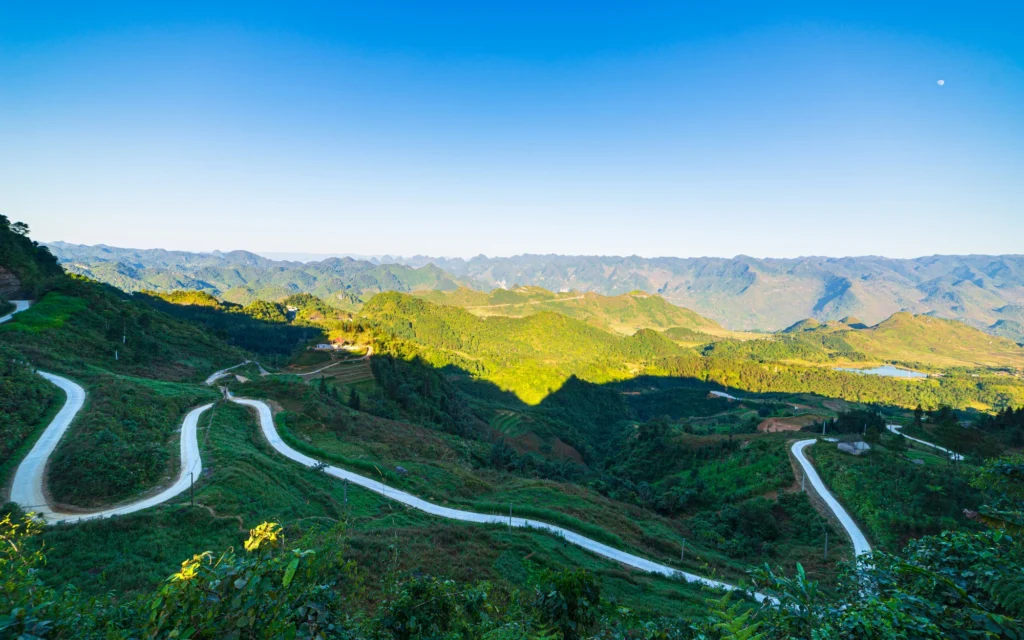
The Ha Giang Loop feels less like sightseeing and more like movement. Mountain roads curve through valleys and villages while clouds shift constantly across the landscape.
Travelers often describe this region as one of the most unforgettable parts of Vietnam. Mostly because it feels raw. Not heavily polished for tourism.
Best Time to Visit:
September to November.
What Makes It Special:
- Mountain road scenery
- Remote villages
- Dramatic viewpoints
- Adventure travel atmosphere
Travel Tip:
Road conditions can become difficult during heavy rain, so check weather forecasts carefully.
A Hidden Apartment Café in Hanoi
Not every memorable place in Vietnam needs to be famous.
Some of the best experiences happen inside old apartment cafés hidden above busy Hanoi streets. Travelers climb narrow staircases and suddenly find quiet spaces overlooking traffic below while coffee drips slowly beside open windows.
Vietnam’s café culture feels deeply personal sometimes. That’s what makes it special.
Best Time to Visit:
Evenings or rainy afternoons.
What Makes It Special:
- Hidden local atmosphere
- Vietnamese coffee culture
- Quiet city viewpoints
- Slower travel moments
Travel Tip:
Take time to explore older apartment buildings near the Old Quarter. Many cafés remain intentionally hidden.
Things First-Time Travelers Should Know Before Visiting Vietnam
Vietnam rewards flexibility more than rigid schedules.
Travel distances often look shorter online than they feel in reality, especially when moving between cities or mountain regions. Trying to cover everything quickly usually becomes exhausting.
A few practical things help considerably:
- Carry cash for smaller cafés and local shops
- Expect traffic in major cities
- Travel lighter during humid months
- Leave room for slower café mornings
- Take overnight trains when possible for longer routes
- Mix busy cities with quieter regions
And honestly, Vietnam feels better when travelers stop trying to rush through every destination.
Some places need time before they fully make sense.
Where to Stay in Vietnam
The place someone stays changes the experience entirely. Busy city centers create one version of Vietnam. Riverside stays in Hoi An, mountain cafés in Da Lat or quieter coastal stays near Phu Quoc create something completely different.
Solis Nature focuses more on those slower travel experiences, places connected to atmosphere, landscape, and quieter rhythms instead of rushed itineraries. Sometimes travelers remember the feeling of where they stayed more than the checklist of attractions. Find stays in Vietnam for al the different vibes on Solis Nature.
Closing
Vietnam stays with people for unexpected reasons. Not only because of landscapes or famous attractions.
Sometimes it’s the sound of rain outside a café in Hanoi. Lantern reflections moving across water in Hoi An. Long train rides between cities. Mountain roads disappearing into fog near Ha Giang.
The country feels alive constantly, but never in exactly the same way twice. And maybe that’s why travelers keep returning. Because Vietnam rarely feels finished after one trip.
FAQs
What are the best places to visit in Vietnam for first-time travelers?
Hanoi, Hoi An, Ha Long Bay, Da Nang, Ninh Binh, and Ho Chi Minh City are among the most popular destinations because they offer a mix of culture, landscapes, cafés, and coastal experiences. We also got what reddit users have to say about their best spots in Vietnam.
What is the best time to visit Vietnam?
The best time usually depends on the region, but overall, March to April and September to November are considered ideal for comfortable weather across most parts of Vietnam.
How many days are enough for Vietnam?
A 10–14 day trip works well for travelers who want to experience Vietnam properly without rushing through cities, coastal towns, and mountain regions too quickly.
Is Vietnam expensive for travelers?
Vietnam is generally considered one of the more affordable international destinations for travelers. Food, transport, cafés, and accommodations are often reasonably priced compared to many other Southeast Asian countries.
Which part of Vietnam is best for beaches?
Da Nang, Phu Quoc, Nha Trang, and Mui Ne are among the best coastal destinations in Vietnam for beaches, seafood experiences, and relaxed seaside travel.
Is Vietnam good for café culture?
Yes. Vietnam has a deeply rooted café culture, especially in cities like Hanoi, Ho Chi Minh City, and Da Lat. Hidden cafés, egg coffee, rooftop spaces, and apartment cafés are all part of the experience.
Which places in Vietnam are best for nature lovers?
Sapa, Ninh Binh, Ha Giang, Da Lat, and Ha Long Bay are excellent for travelers looking for mountains, rice terraces, waterfalls, coastal scenery, and slower landscapes.
Is Vietnam safe for solo travelers?
Vietnam is generally considered safe for solo travelers, though basic precautions around traffic, personal belongings, and nighttime transport are still important.