UNESCO Natural World Heritage Sites in India: 7 Breathtaking Landscapes You Need to See
Explore UNESCO Natural World Heritage Sites in India, from Kaziranga to the Sundarbans, and discover breathtaking landscapes, wildlife, and travel tips.
Some locations provide you with exceptional images. Others deposit their stories in your mind, which you’ll talk about years later.
India is blessed with some of the most amazing ecosystems on Earth and its UNESCO Natural World Heritage Sites reflect India’s natural diversity. These protected areas are more than just a place of beauty. They are ecosystems in their own right, housing endangered species, natural development of ancient geology and nature going its own way. The UNESCO Natural World Heritage Sites span from the misty valleys of the Himalayas to the alpine meadows, the thick mangrove forest, to the grasslands and showcase the most spectacular of nature. For nature lovers, keen photographers and outdoor enthusiasts alike, it’s the ideal places.
They’re sure to provide you with memories that last a lifetime. They are natural heritage sites that portray landscapes that have been formed over millions of years, and continue to give birth to those who come to see what is not just a tourist troth.
What Makes a UNESCO Natural World Heritage Site?
UNESCO’s list of the prestigious places is not big enough to include many beautiful places.
The addition to the list of UNESCO World Heritage Sites is only possible for buildings, objects, sites or areas that fulfil the criterion of ‘outstanding universal value for humanity’. They are renowned for their excellent biodiversity, geology, ecology or extraordinary natural beauty.
These places are selected based on:
- Unique ecosystems and biodiversity
- Geological and ecological importance
- Rare and endangered species
- Outstanding natural beauty
Many of India’s UNESCO Heritage Sites are globally important for conservation and continue to play a crucial role in protecting some of the world’s most fragile ecosystems.
Why These Natural Heritage Sites in India Matter
India’s landscapes are incredibly diverse, and the Natural Heritage Sites in India capture this richness in the most authentic way possible.
These protected areas:
- Preserve endangered species
- Maintain ecological balance
- Support climate regulation
- Protect fragile habitats
They still have a meaning other than their ecological value, however. They’re darn pretty and they’re darn strong when they are given the chance to grow, and they remind us of the power of nature. They are part and parcel of the world-class UNESCO World Heritage Sites and hence they can be referred to as one of the most crucial biodiversity hot spot of the world.
In addition to serving as significant conservation areas, these natural heritage sites in India give tourists a chance to learn about this incredible ecological diversity in the country.
1. Kaziranga National Park, Assam
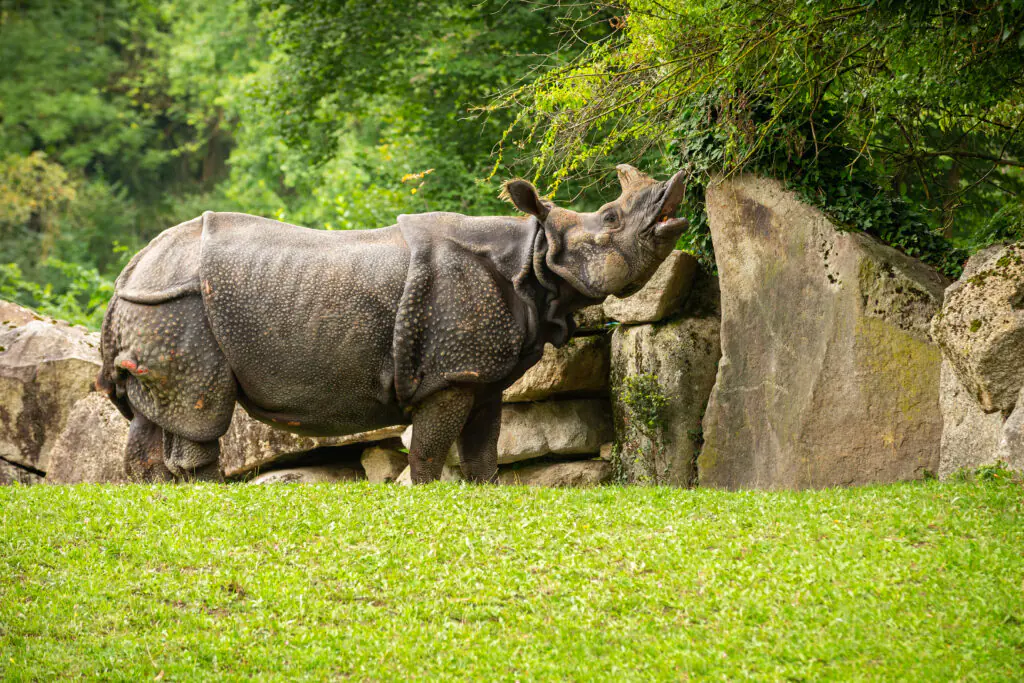
On entering into the area of Kaziranga, you first don’t notice the rhinos.
It’s the silence.
The morning mist slowly rises up from the grasslands and wetlands, creating a sense of timelessness. All of a sudden, a one horned rhino is in the distance, minding his own business as if he is posing for a documentary about wild animals.
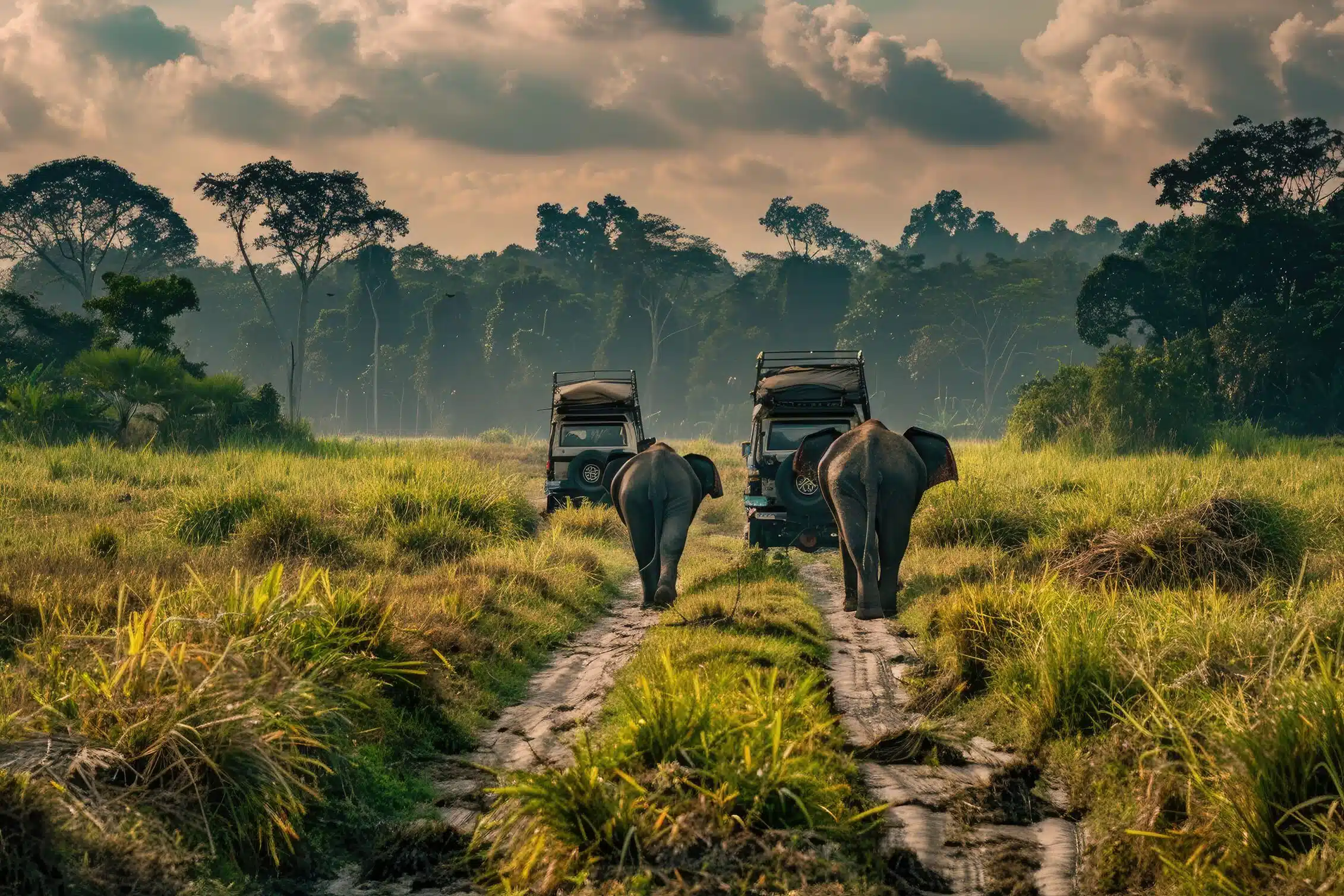
While the one-horned rhino is the main attraction of Kaziranga, that isn’t the end of it. It is the home to Tigers, Elephants, Swamp Deer and hundreds of migratory birds. All safaris are like a chapter in the book of nature.
It is one of the most acclaimed UNESCO Natural World Heritage Sites of India and is still one of the best places to visit in India for wildlife enthusiasts.
Travel Information
Best Time: November–April
Nearest Airport: Jorhat / Guwahati
Nearest Railway Station: Furkating Junction
Safari: Government-approved jeep and elephant safaris
2. Sundarbans National Park, West Bengal
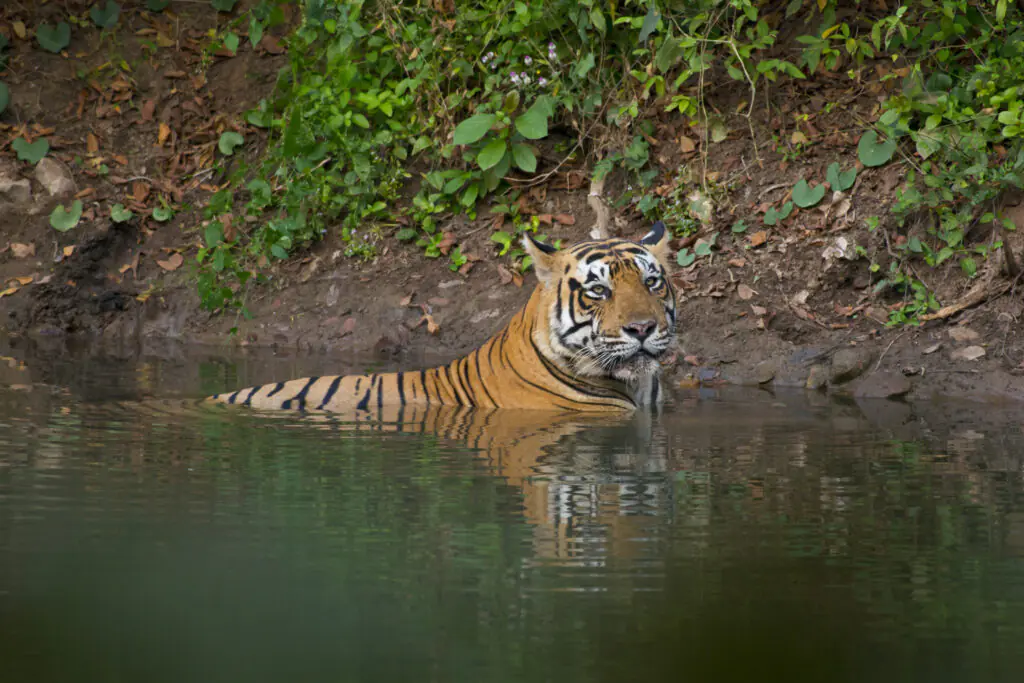
The Sundarbans is enigmatic – in the best way.
The tidal rivers, thick mangroves, ever-changing waters make this area a landscape other than any in India. It’s a place where nature plays by its own rules.
One of the most unusual UNESCO Heritage Sites, the Sundarbans is home to the iconic Royal Bengal Tiger which has adapted remarkably to life in a mangrove ecosystem. There’s always an excitement factor to riding a boat through these waterways as you never know what will come out around the bend.
It is one of the most important UNESCO World Heritage Sites of India due to its ecological complexity.
Travel Information
Best Time: November–February
Nearest Airport: Kolkata
Nearest Railway Station: Canning
Entry: Boat safaris via authorized operators
3. Western Ghats
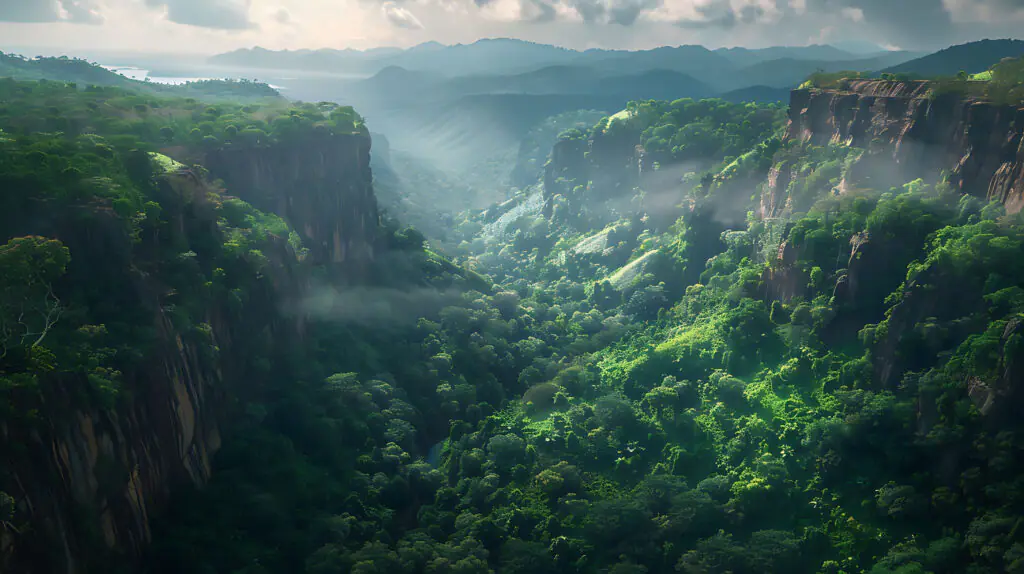
If you venture through the Western Ghats during the rains, you’ll soon discover why visitors are back!
The landscape is interrupted only by cloudy hills, waterfalls, thick woods and meandering roads, all of which would make a setting for a movie. There are some stretches that are so stunning, you’ll likely park up every few kilometres just to take in the view.
The Western Ghats are older than the Himalayas and is one of the richest biodiversity hotspots in the world. They are one of the most important natural heritage sites in India, having an important number of endemic flora and fauna species.
The place is also one of the most beautiful places to visit in India for road trips, trekking and nature lovers.
Among the many UNESCO sites found across the country, the Western Ghats stand out for their extraordinary biodiversity and natural beauty.
Travel Information
Best Time: October–March
Nearest Airports: Kochi, Bengaluru, Goa
Rail Access: Major South Indian stations
Permits: Required in protected zones
4. Great Himalayan National Park, Himachal Pradesh
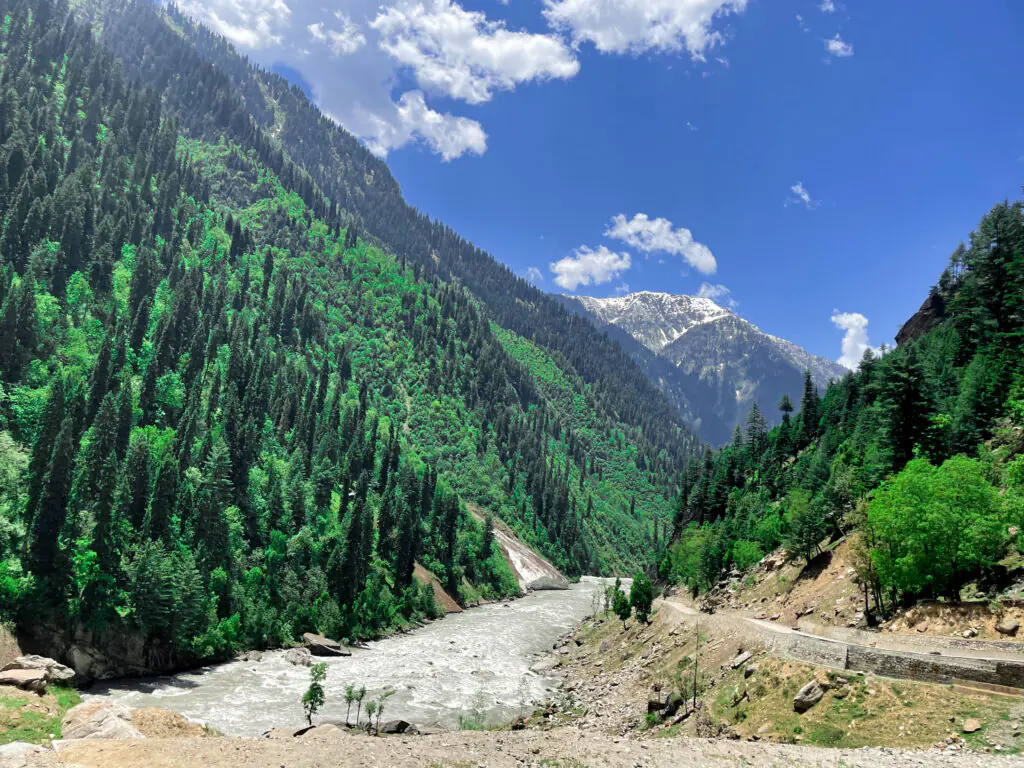
In some areas time stands still and the Great Himalayan National Park is one of these.
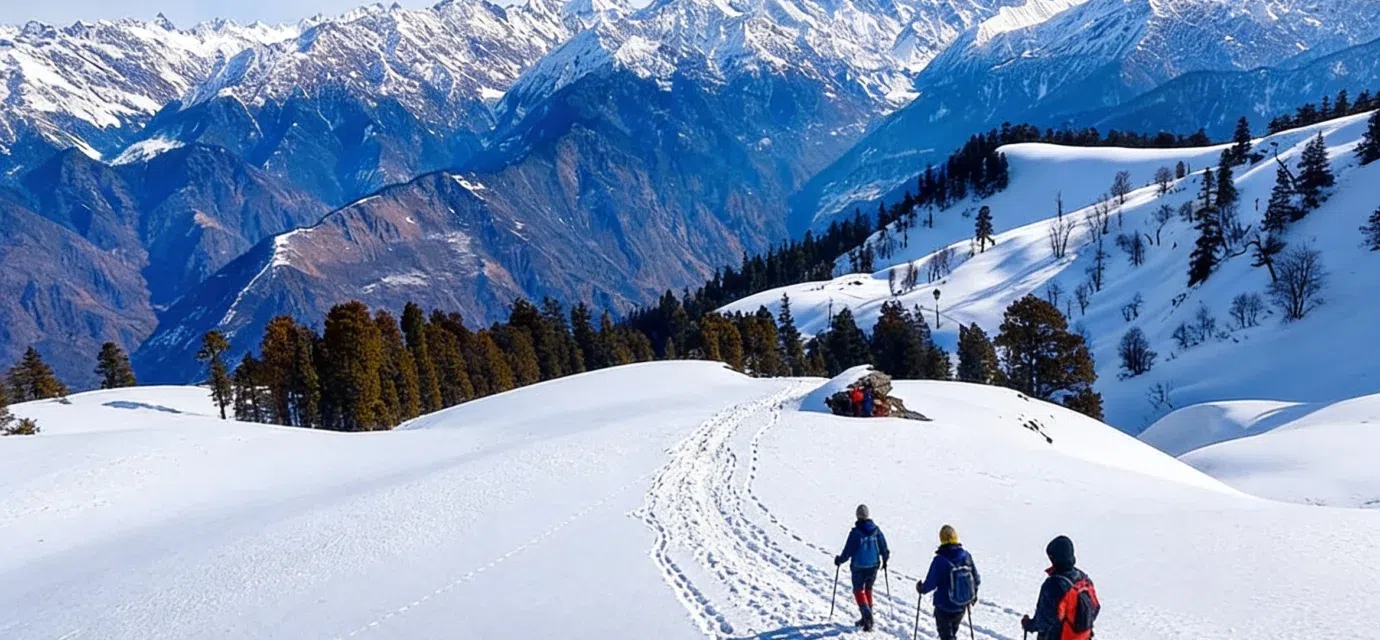
This wild landscape under the protection of the state, awesome and secluded in the midst of mountains, is a beautiful blend of glaciers, high meadows, river valleys and dense forests.
The farther you go the quieter you go. It is one of the most pristine and preserved sites of the UNESCO’s Natural World Heritage Site and has rare animal species such as the Himalayan tahr, musk deer and elusive snow leopard.
It’s also one of the few experiences that can provide feeling isolated, which is less common these days among outdoors people and hikers.
This is one of the most important natural world heritage sites for the lovers of authentic wilderness experience and its untouched beauty.
Travel Information
Best Time: March–June, September–November
Nearest Airport: Bhuntar (Kullu)
Nearest Railway Station: Joginder Nagar
Entry: Forest department permits required
5. Nanda Devi & Valley of Flowers National Parks, Uttarakhand
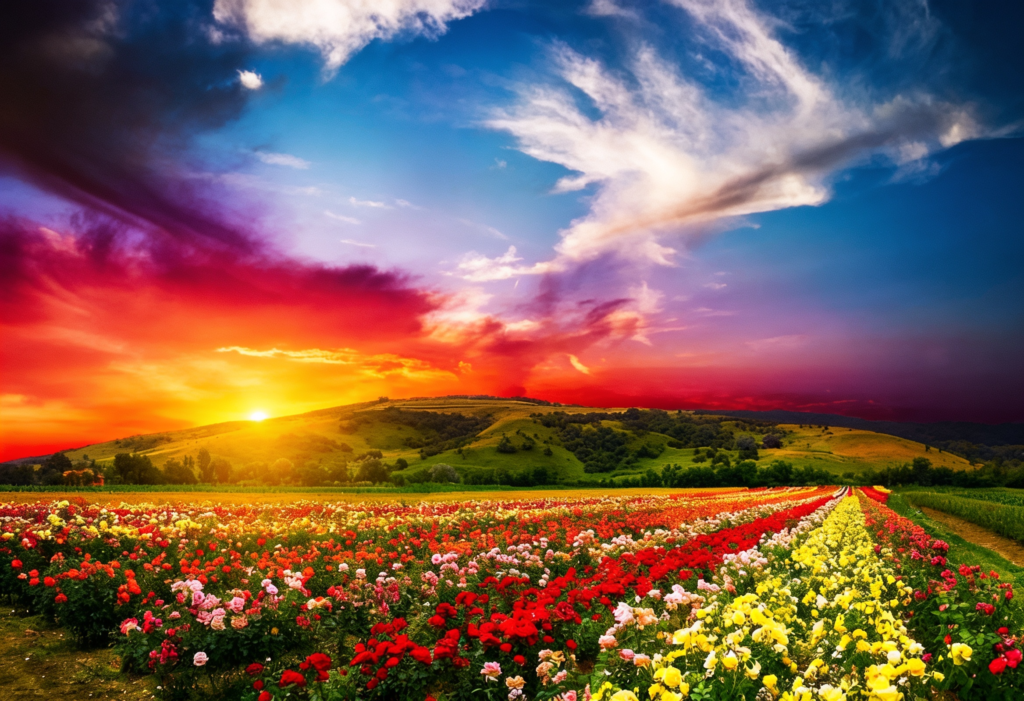
The Valley of Flowers is one of the few places in India that has a magical aura. Every year for a couple of days, it is a riot of colours when thousands of the Alpine flowers bloom in the magnificent peaks of the Himalayas. It appears that it’s not true.
The nearby Nanda Devi National Park, famous for its rugged mountains, dramatic terrain and pristine wilderness is nearby.
They are one of the most beautiful sites among the UNESCO Natural World Heritage Sites of India and are a favourite amongst nature lovers in the world.
The amazing landscape is among the finest UNESCO World Heritage sites to hike and take photos of nature.
Travel Information
Best Time: July–September (Valley), May–October (Nanda Devi region)
Nearest Airport: Dehradun
Nearest Railway Station: Haridwar / Rishikesh
Entry: Trek registration mandatory
6. Manas Wildlife Sanctuary, Assam
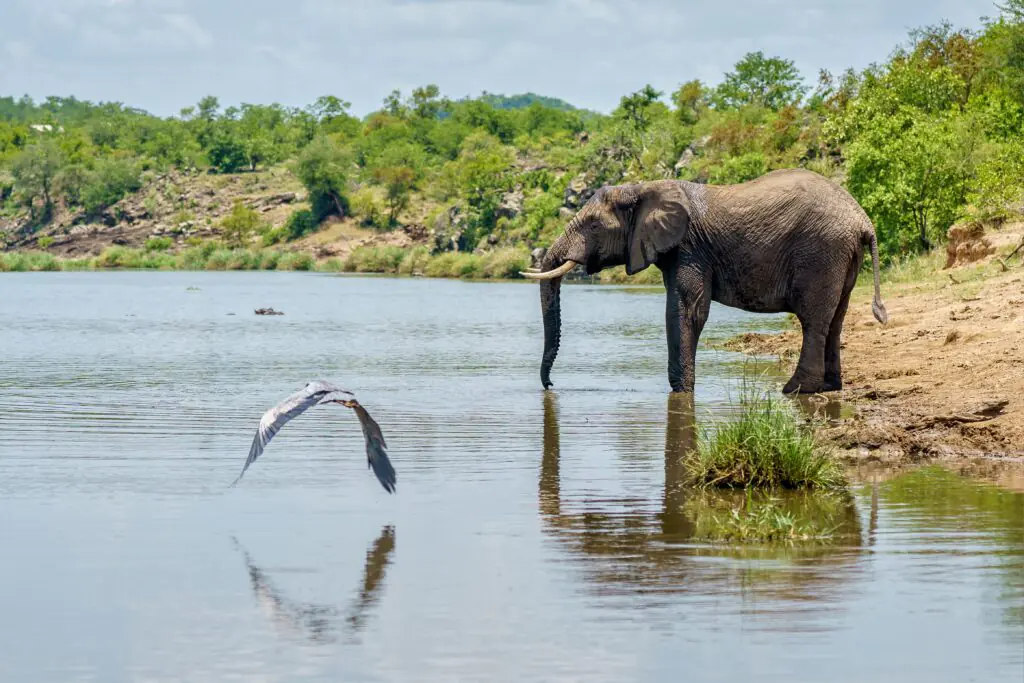
Often Manas takes the limelight from Kaziranga but the latter might be its added value.
This wilderness is located along the foothills of Bhutan: it’s quieter, less busy and very authentically Bhutanese. It is a place where you can unwind in nature, without the stress.
Manas is one of the important natural heritage sites in India, a biodiversity hotspot and is home to golden langurs, pygmy hogs, elephants and tigers.
It is a conservation success story, and one of the most valuable UNESCO Natural World Heritage Sites in the country.
Travel Information
Best Time: November–April
Nearest Airport: Guwahati
Nearest Railway Station: Barpeta Road
Safari: Jeep safaris via eco-tourism operators
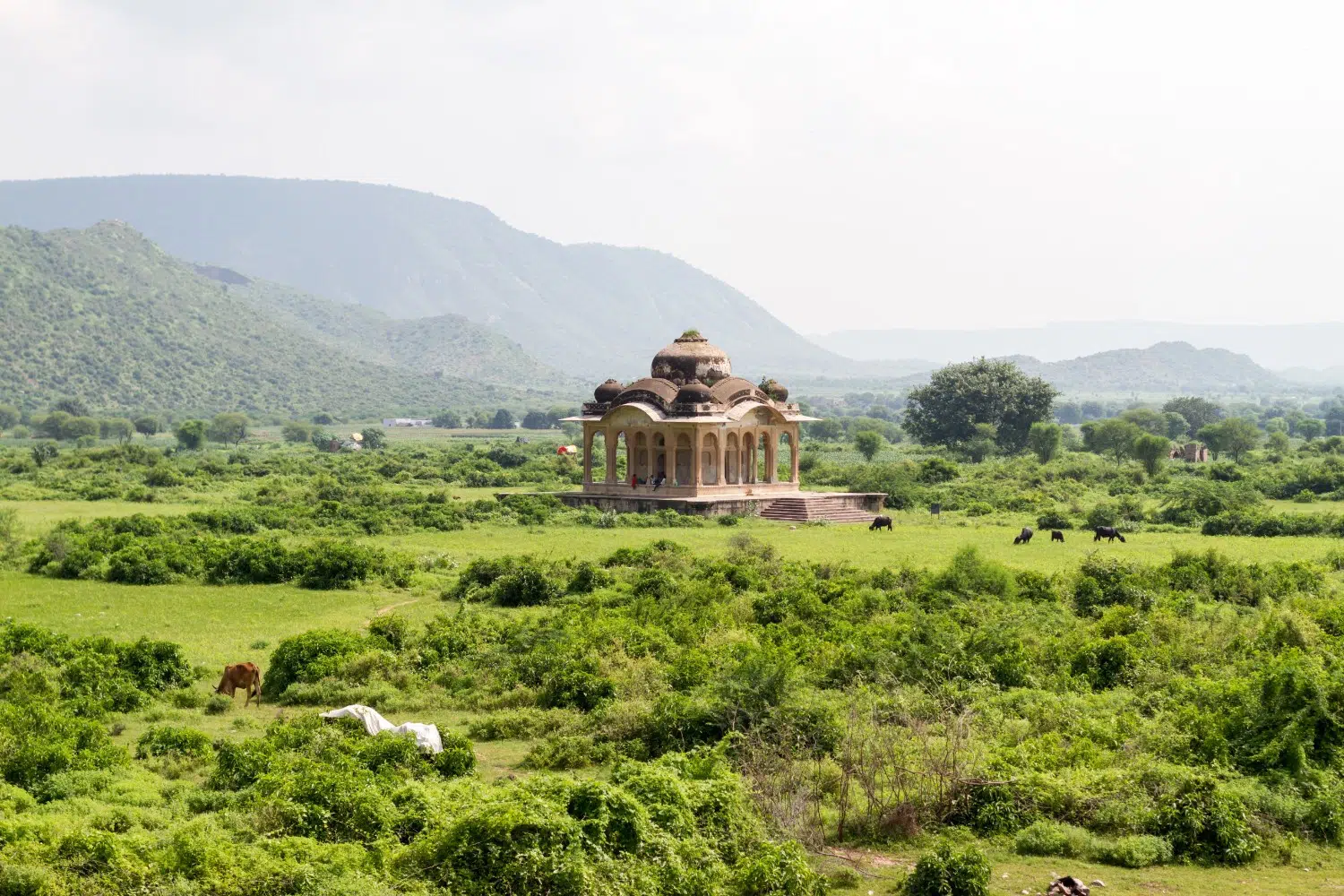
7. Keoladeo National Park, Rajasthan
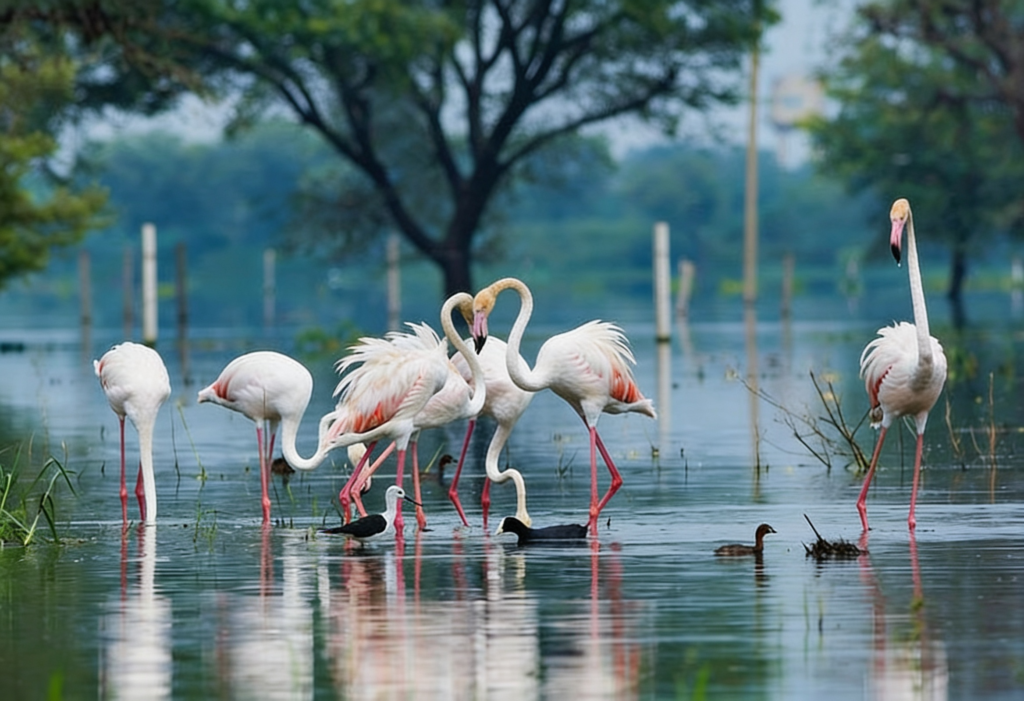
Keoladeo doesn’t require a birdwatcher to be interested.
In the winter months thousands of migratory birds arrive here making the wetland one of the most colourful bird habitats in the world. This is a very relaxed, tranquil and surprisingly immersive atmosphere.
It is globally recognised as an important UNESCO Site for its ecological values and exceptional bird life.
Travel Information
Best Time: October–March
Nearest Airport: Jaipur / Agra
Nearest Railway Station: Bharatpur Junction
Entry: Walkable park with cycle rickshaws
India’s Only UNESCO Mixed World Heritage Site
Khangchendzonga National Park, Sikkim
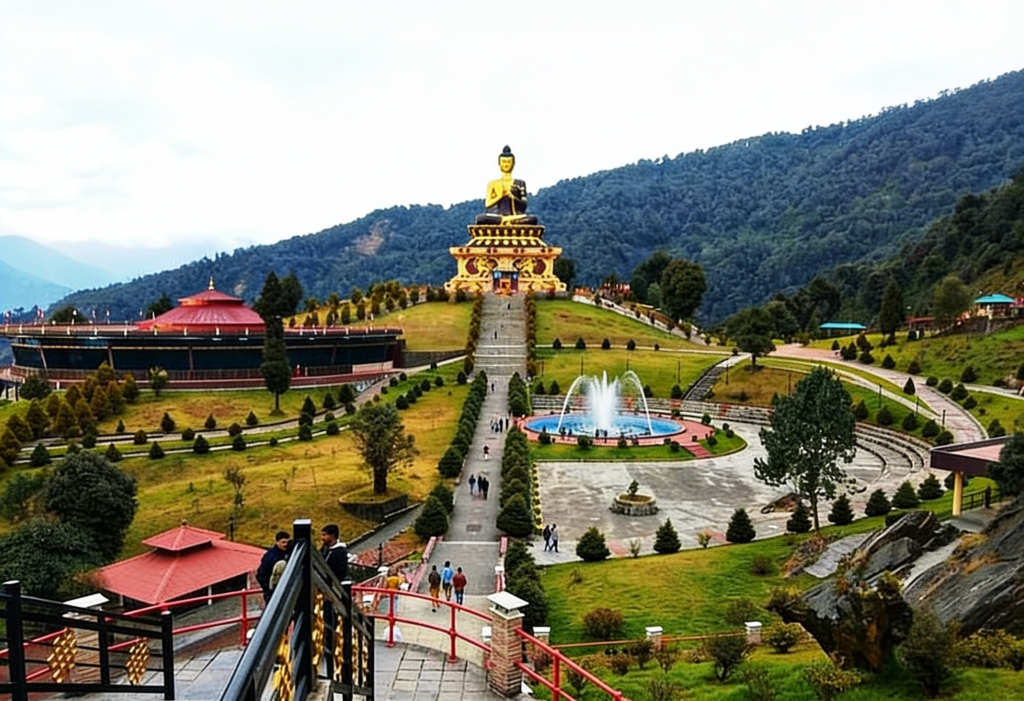
This article is about natural heritage, but there is a particular highlight on Khangchendzonga National Park.
It is India’s only entry on the list of Mixed Heritage Sites in India and a combination of incredible natural beauty and cultural and spiritual significance.
Khangchendzonga is one of the most intriguing mixed heritage sites in India due to its unique combination of culture, spirituality, and nature.
It also explains the significance of the Mixed Heritage Sites in India in the conservation of natural and cultural heritage.
One of the most important UNESCO World Heritage Sites in India, dominated by the world’s third-highest peak, Mount Khangchendzonga.
Notable Sites on the UNESCO Tentative List
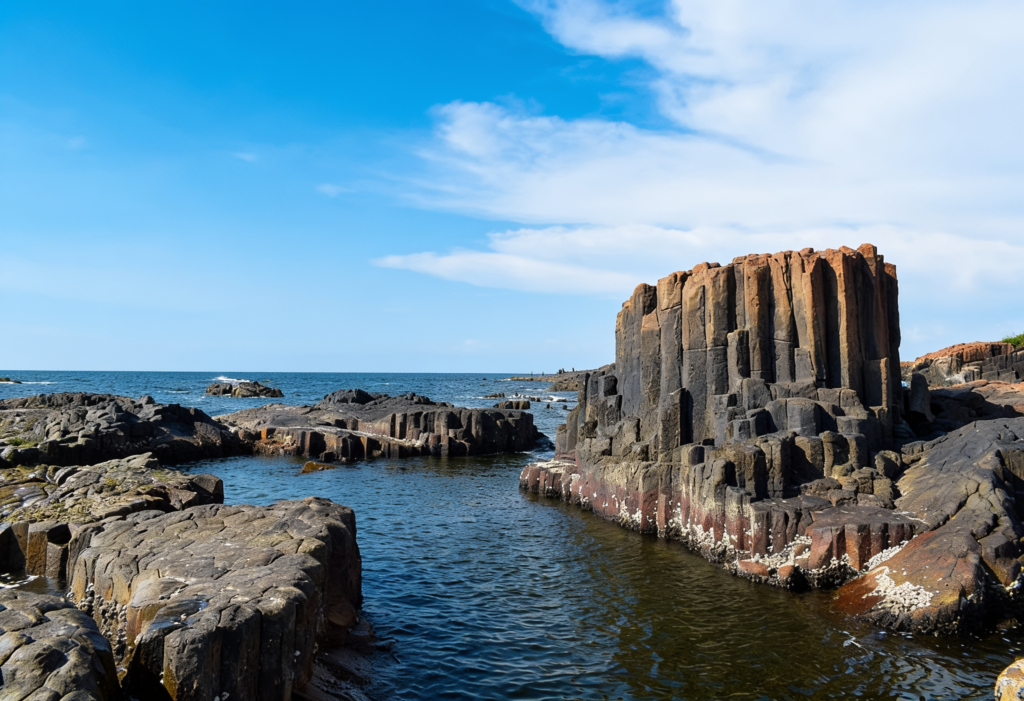
India continues to expand its global recognition with several important UNESCO sites on the tentative list:
- Deccan Traps (Maharashtra) – Ancient volcanic basalt formations
- St. Mary’s Island Cluster (Karnataka) – Unique columnar lava formations
- Meghalayan Age Caves (Meghalaya) – Climate history archives
- Naga Hill Ophiolite (Nagaland) – Ancient oceanic crust formations
- Tirumala Hills (Andhra Pradesh) – Home to a 1.5 billion-year-old natural arch
- Erra Matti Dibbalu (Andhra Pradesh) – Rare coastal red sand dunes
- Varkala Cliffs (Kerala) – Distinct laterite sea cliffs
Several of these locations have the potential to join India’s existing UNESCO sites and further strengthen the country’s global conservation profile.
Quick Travel Tips
- Book safaris and permits early
- Respect wildlife distance rules
- Follow forest department guidelines
- Avoid plastic in protected areas
- Travel during shoulder seasons for a better experience
- Choose eco-friendly stays whenever possible
These tips apply across many of the most memorable places to visit in India.
Final Summary Table of UNESCO Natural World Heritage Sites in India
| Site | State | Best Season |
| Kaziranga National Park | Assam | Nov–Apr |
| Sundarbans National Park | West Bengal | Nov–Feb |
| Western Ghats | Multiple States | Oct–Mar |
| Great Himalayan National Park | Himachal Pradesh | Mar–Jun, Sep–Nov |
| Nanda Devi & Valley of Flowers | Uttarakhand | May–Oct / Jul–Sep |
| Manas Wildlife Sanctuary | Assam | Nov–Apr |
| Keoladeo National Park | Rajasthan | Oct–Mar |
Final Thoughts
The majority of these are among the most memorable places to visit in India, especially if you appreciate nature and are more interested in the more engaging experiences.
The Natural World Heritage Sites are more than just places to visit. They represent the majestic variety and beauty of all parts of India.
The story of each grassland at Kaziranga, the mangroves at Sundarban, the flower-filled valleys of Uttarakhand and the forests of Western Ghats are unique.
For anyone who wants to have a purposeful trip, these places can be quite memorable. It’s not just something to look at, it’s something to see and relate to.
These UNESCO natural world heritage sites are truly an incredible natural heritage of India and a reminder to future generations to protect it.
These are the places to visit when you’re looking for world-class UNESCO heritage sites that inspire and captivate you.
As more travelers seek experiences that go beyond ticking destinations off a list, platforms like Solis Nature are making it easier to discover stays that are deeply connected to these landscapes, encouraging a slower and more mindful way of exploring nature.
FAQs
1. How many UNESCO Natural World Heritage Sites are there in India?
India currently has seven UNESCO Natural World Heritage Sites: Kaziranga National Park, Sundarbans National Park, the Western Ghats, Great Himalayan National Park, Nanda Devi & Valley of Flowers National Parks, Manas Wildlife Sanctuary, and Keoladeo National Park. Together, they represent some of the most important ecosystems and biodiversity hotspots in the country.
2. What is the difference between UNESCO Natural World Heritage Sites and Mixed Heritage Sites in India?
UNESCO Natural World Heritage Sites are recognized primarily for their ecological, geological, and biodiversity significance. In contrast, mixed heritage sites in India are recognized for both their natural and cultural value. Currently, Khangchendzonga National Park in Sikkim is India’s only mixed heritage site.
3. Why are UNESCO Natural World Heritage Sites important?
These sites help protect endangered species, preserve fragile ecosystems, support scientific research, and promote sustainable tourism. They also receive international recognition for their outstanding universal value. You can learn more about the significance of UNESCO recognition here: https://www.quora.com/What-are-the-benefits-of-being-listed-as-a-world-heritage-site-by-UNESCO
4. Which UNESCO Natural World Heritage Site is best for wildlife enthusiasts?
Kaziranga National Park and Manas Wildlife Sanctuary in Assam are among the best choices for wildlife lovers. Kaziranga is famous for its one-horned rhinoceros population, while Manas is known for rare species such as the golden langur and pygmy hog.
5. Where can I find a complete list of UNESCO Natural World Heritage Sites in India?
You can explore additional information about UNESCO Natural World Heritage Sites and their significance through this resource: https://currentaffairsforcompetitiveexaminations.quora.com/UNESCO-Natural-World-Heritage-Sites
These sites continue to be some of India’s finest natural destinations and conservation success stories.