Ranthambore National Park: Complete Tiger Safari & Travel Guide
Plan a Ranthambore National Park trip with safari timings, booking tips, best time to visit, attractions, itinerary, food and travel advice.
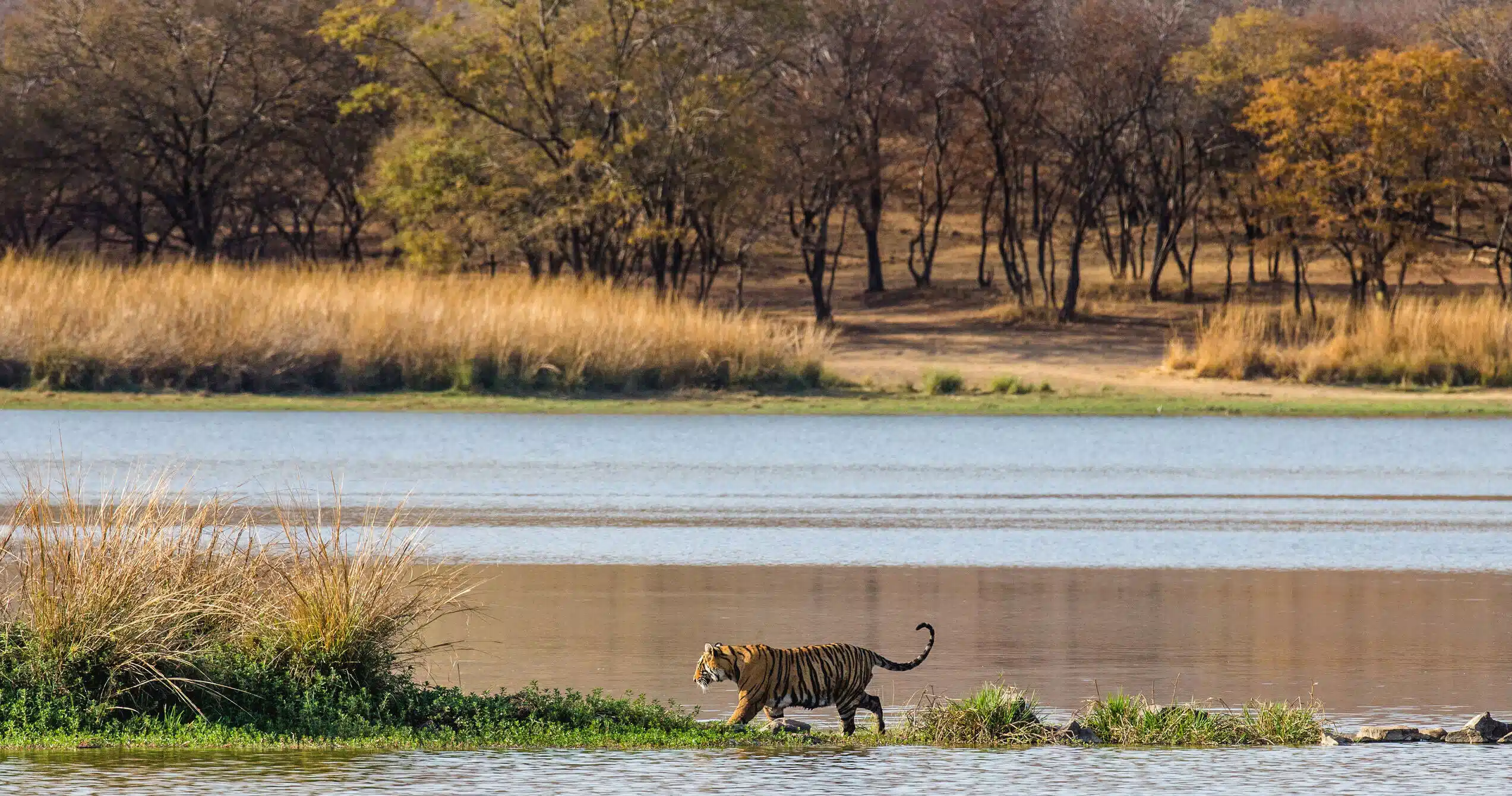
What Makes Ranthambore National Park Worth Visiting
Sawai Madhopur starts to send vehicles towards the Ranthambore National Park long before breakfast. It can be cold and dusty, with way too early to talk. Then a sambar stops in the middle of a step or a langur gives an alarm call and suddenly no one in the gypsy can be heard sleeping.
But for the most part, visitors come to see tigers.
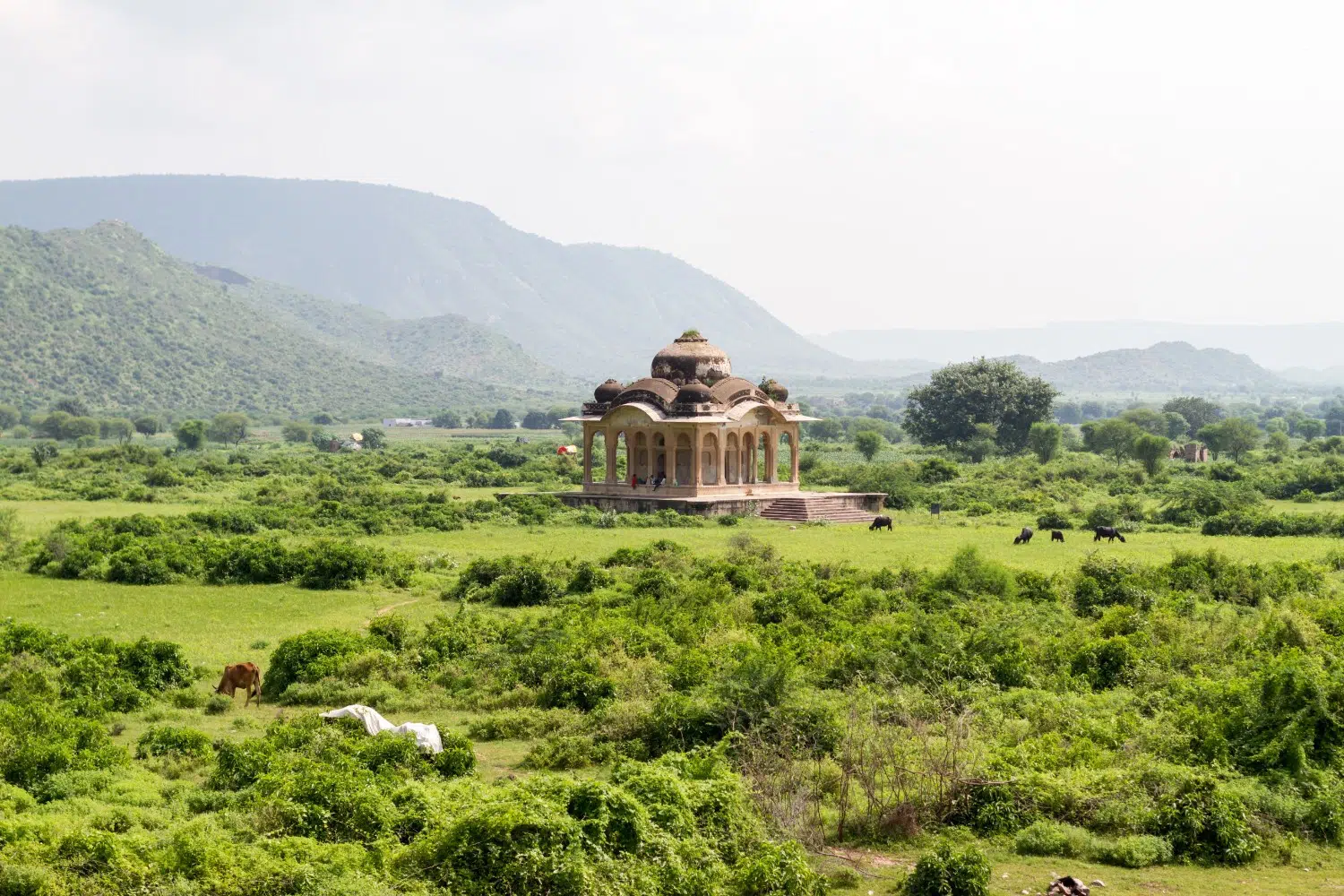
However, there’s more to the place. The dry forest is broken up by lakes, old stone structures show up between the trees and the Ranthambore Fort stands high above a land where history is not very distant. The day then moves towards visiting temples and getting to know the local markets and enjoying a proper Rajasthani meal.
Sometimes the tiger appears. Sometimes it doesn’t… and the forest still provides a story.
This Ranthambore Travel Guide outlines the practical aspects of that story, from permits for safaris, sightseeing, to food, transport, accommodation and a realistic 3-day plan
There Is More Wildlife Than Stripes

After the initial fascination with the tiger has passed, the finer details are easier to see.
Commonly seen are sambar and spotted deer. The Nilgai and the wild boar and langurs also roam in the landscape and crocodiles are seen around its water bodies. Here also live leopards and sloth bears, though one has to be much luckier to see them.
The Ranthambore Tiger Reserve is unique in that the wilderness does not appear to be an untouched landscape. Trees and lakes surround abandoned structures and ruins, lending the forest a sort of abandoned-kingdom feel to some parts.
It makes the experience of a quiet safari different. There is always something to watch, even if there’s no tiger.
Birdwatching, photography and exploring the area’s heritage are consequently among the most rewarding things to do in Ranthambore beyond searching for its famous big cat.
Best Time to Visit Ranthambore
For most leisure travellers, October to March is the best time to visit Ranthambore. The days are generally more comfortable for sightseeing, although early winter safaris can be much colder than first-time visitors expect.
An open gypsy before sunrise is not the place to discover that the jacket was left at the hotel.
The forest temperature and appearance change in the summer. It gets drier and hotter in the afternoons. But for those who can take those conditions, it can be a rewarding season for wildlife.
The best time to visit Ranthambore therefore depends partly on the trip itself. Cooler weather works well for families and travellers combining safaris with sightseeing; dedicated wildlife trips can justify greater flexibility.
Forest access and safari operations may vary by season. Current opening information should be confirmed before booking transport or accommodation.
Ranthambore Safari: Zones, Timings and Official Booking
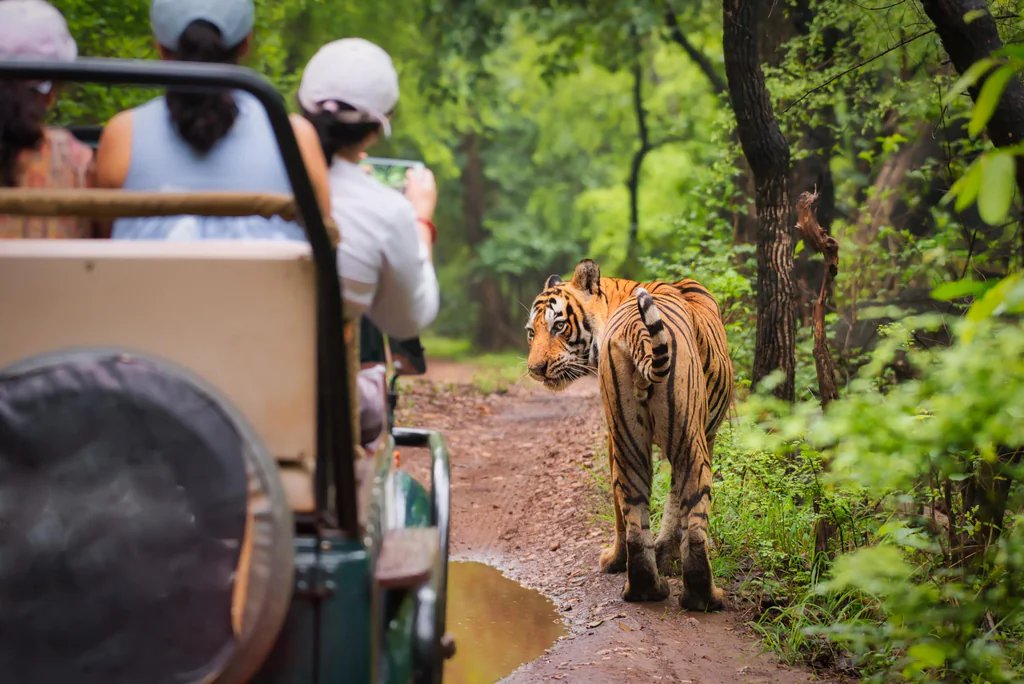
A Ranthambore safari usually becomes the fixed point around which the rest of the holiday is organised.
Authorised gypsies and larger canters take visitors through designated tourism routes. The landscape may vary between dry woodlands, rock, lake, open ground and historic ruins, depending on the path.
The Ranthambore safari zones are therefore not identical experiences.
That leads to the inevitable question: which is the best safari zone in Ranthambore?
No area can make a good claim to providing a better sighting. Tigers roam their ranges and wildlife activity varies with weather, water and season and with plain luck.
A route that was full of activity the previous afternoon can be strangely still the next morning.
That unpredictability is part of the safari… the animals have not read the itinerary.
The morning or evening safari in Ranthambore question has no universal answer either. Morning drives offer cooler temperatures and soft early light. Evening safaris unfold as the afternoon heat begins to ease.
Travellers with enough time can book one of each rather than trying to predict which shift will be better.
Where to Book Ranthambore Safari Tickets
For Ranthambore safari booking, the Rajasthan Forest Department should be the starting point.
Anyone researching how to book Ranthambore safari can use the government’s official online booking service:
Official booking website: Rajasthan Forest Department – Online Safari & Zoo Ticket Booking
The travel date, safari shift, vehicle category and traveller information should be checked carefully before payment. Identification details used for the reservation should match the documents carried during travel.
Advance booking matters here. In August 2026, NDTV reported that nearly 40,000 registrations for advance Ranthambore safari bookings were recorded within two hours.
For busy dates, permits are better treated as the first booking of the trip rather than the last.
Fees, booking windows and permit procedures can change. Current details should always be checked on the official Forest Department portal.
One Ranthambore safari provides an introduction. Two or three drives reduce the pressure on a single outing and allow different routes, light and forest conditions to become part of the experience.
A Few Unwritten Safari Rules
A few simple choices make the drive better for both wildlife and other visitors:
- Keep conversations low inside the forest.
- Put phones on silent and leave music switched off.
- Carry binoculars; interesting wildlife is rarely considerate enough to stand beside the road.
- Avoid bright or impractical clothing.
- Never pressure drivers to chase, block or crowd an animal.
- Carry layers during winter and sun protection in hotter weather.
- Never treat a tiger sighting as something guaranteed by the price of a permit.
Places to Visit in Ranthambore Beyond the Safari
The forest gets most of the attention, but several places to visit in Ranthambore add history, culture and a change of pace to the trip.
1. Ranthambore Fort
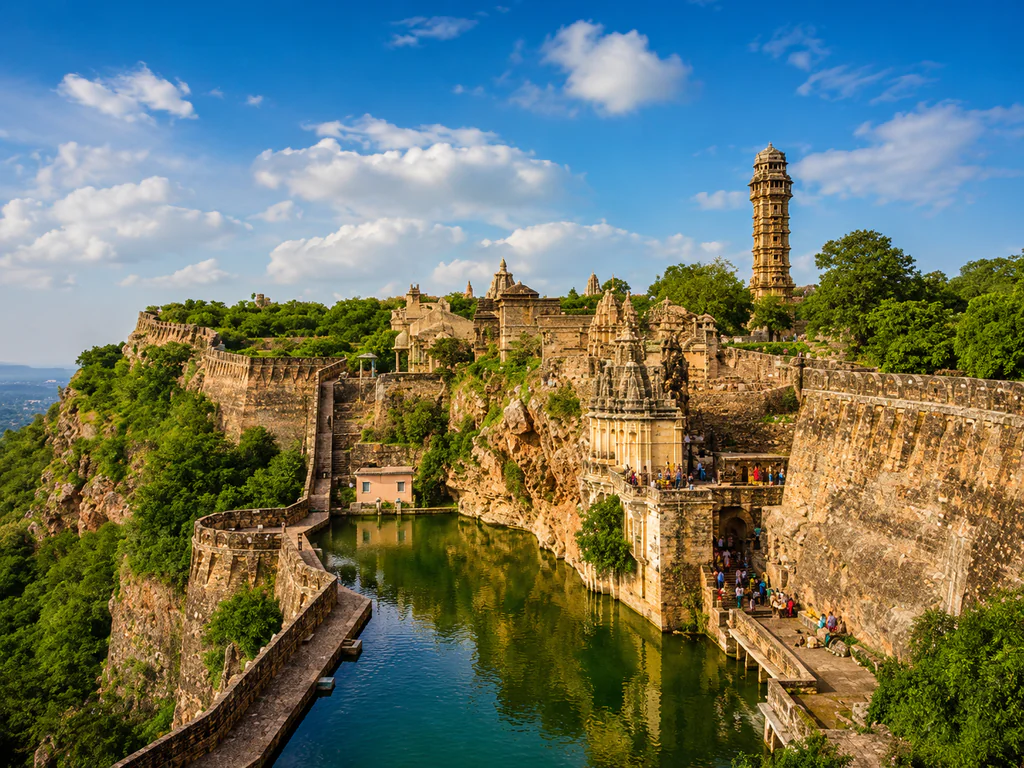
The Ranthambore fort does not appear to be cut off from the wilds below. They appear to be within the same story.
The complex features ruins, temples, walls, gateways, and is part of the UNESCO-listed Hill Forts of Rajasthan, which is located on a high plateau. The views across to the surrounding landscape are enough to make the climb worthwhile.
If you are interested in visiting other historic sites, then you can also check out this blog on UNESCO World Cultural Heritage Sites in India by Solis Nature.
Among the things to do in Ranthambore, this is one stop that deserves more than a hurried photograph.
2. Trinetra Ganesh Temple
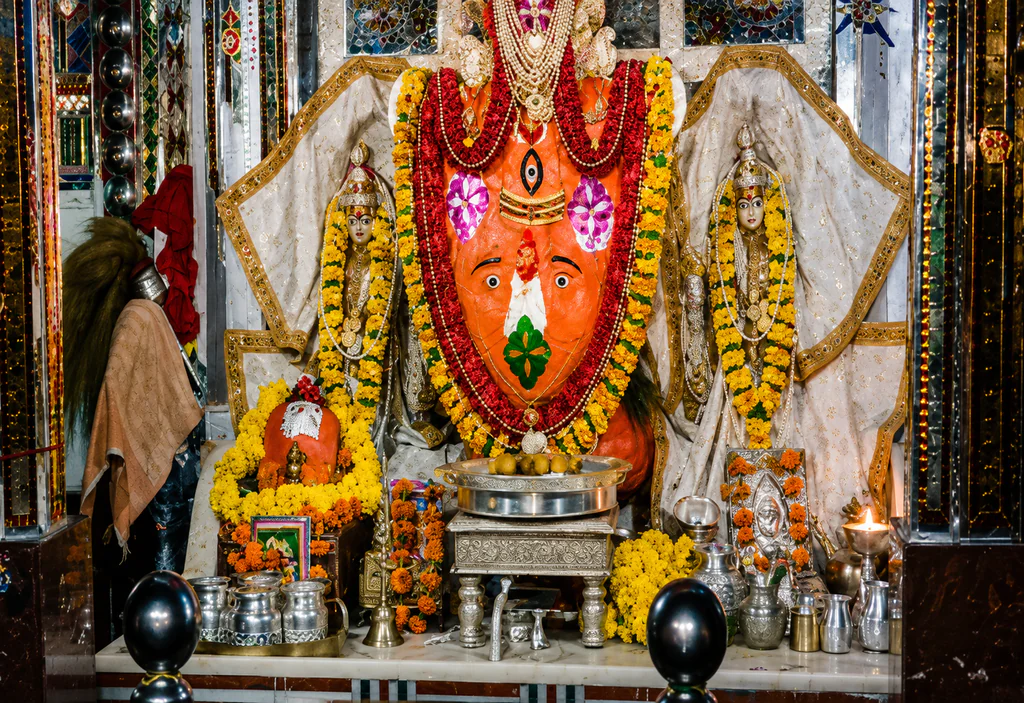
Within the fort stands Trinetra Ganesh Temple, and its presence makes the complex feel very different from a silent archaeological site.
Pilgrims continue to visit the temple, keeping the space connected to everyday religious life. Ganesh is commonly addressed as Ganesh Ji, with ji used as a mark of respect.
For travellers interested in local culture as much as architecture, it is one of the significant places to visit in Ranthambore.
3. Padam Talao
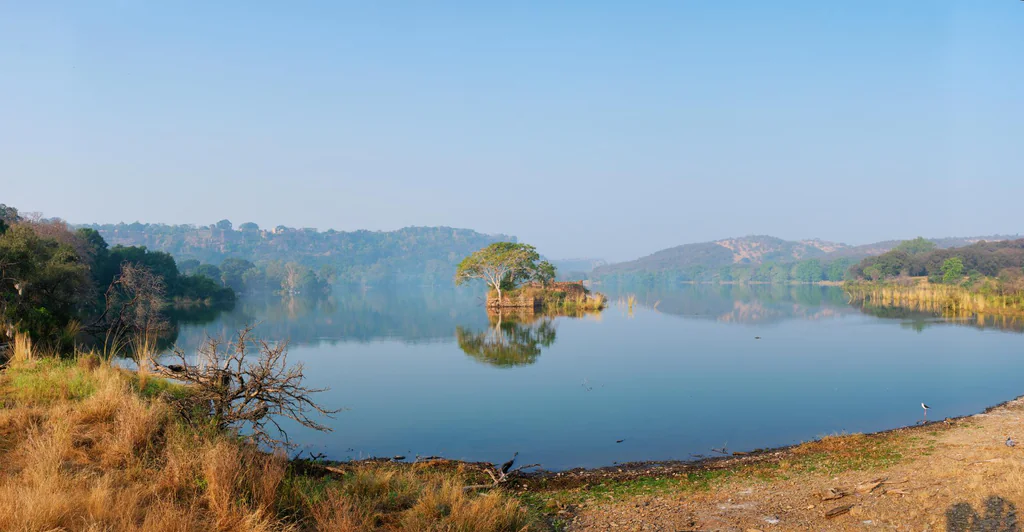
One of the most iconic landscapes with Ranthambore National Park is the landscape of Padam Talao.
The lake is located next to a historic Jogi Mahal and forest encircles the lake. Animals and birds can also be spotted around the lake, depending on their movement and the safari route.
It is one of the classic things to see in Ranthambore, but it is not a sightseeing spot in itself. Access is by safari route.
4. Rajbagh Talao
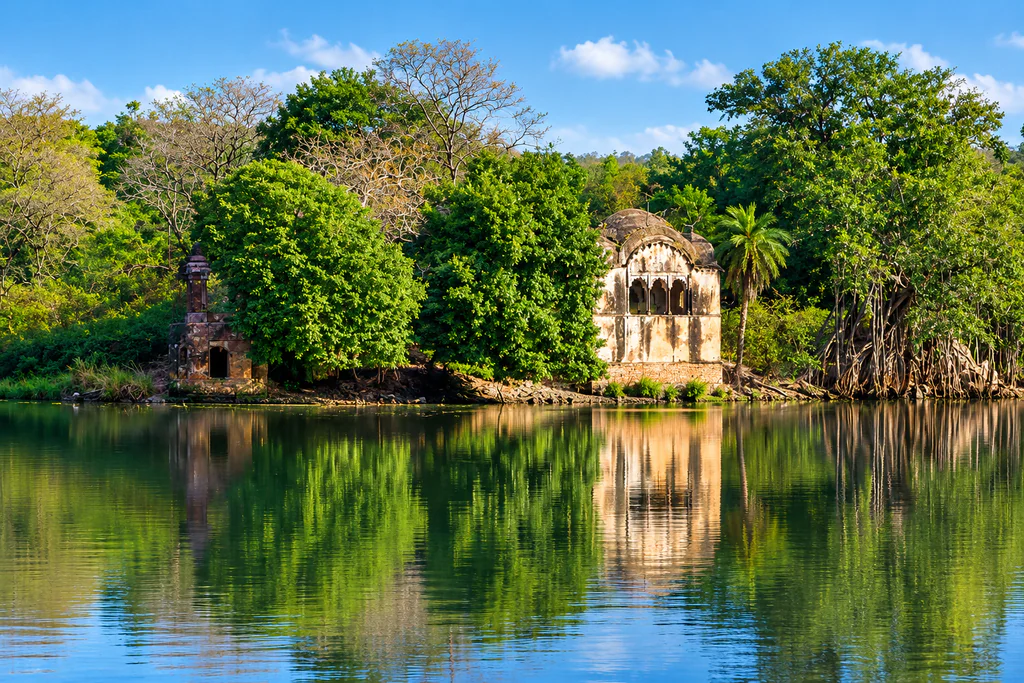
The ambiance of Rajbagh Talao is altogether moody.
The ruins are located near the water, with parts of the walls overgrown by plants. The scene is so well arranged in the right lighting that it seems to have been set up for the purpose.
It is another of the memorable things to see in Ranthambore encountered through relevant safari routes rather than a separate visit.
5. Shilpgram

After several hours in a safari vehicle, Shilpgram is a completely different experience.
The craft complex is near Sawai Madhopur, and shows people what types of arts and handicrafts are available in the region. Its location makes it one of the easier places to visit in Ranthambore in between the other visits.
What Else to Do Between Safaris
Not every free hour needs another excursion.
Birdwatching can continue long after the main forest drive ends, while photographers will find plenty in ruined walls, rocky ridges, old trees and Rajasthan’s sharp afternoon light.
A slow meal or some time around Sawai Madhopur also helps break up consecutive early starts. These quieter things to do in Ranthambore are particularly welcome during a longer stay.
For an extra day, places to visit near Ranthambore include Chauth Mata Temple at Chauth Ka Barwara. Karauli can also fit into a wider eastern Rajasthan journey.
In comparing places to visit near Ranthambore, it is important to take into consideration the time that is required for traveling from one place to another rather than adding more pins on the map. Safari reporting slots are set and excursions longer than those are better done on days in between safaris.
What to Eat in Ranthambore and Sawai Madhopur

A 5 am alarm has one useful side effect: breakfast tastes considerably better afterwards.
Although there is no shortage of familiar North Indian cuisine at Sawai Madhopur, there needs to be some room for regional food on the trip. For those who like to sample multiple items in a single meal, a Rajasthani thali is a simple way to get your introduction to the cuisine.
Look out for:
- Dal baati churma: Dal with baked baati and sweet churma, traditionally served with ghee.
- Gatte ki sabzi: Gram-flour dumplings cooked in a seasoned gravy.
- Ker sangri: A distinctly Rajasthani preparation using desert berries and beans.
- Bajre ki roti: Pearl millet flatbread, particularly comforting in cooler weather.
- Lehsun ki chutney: Garlicky, sharp and usually not shy about chilli.
- Laal maas: Rajasthan’s well-known chilli-forward mutton curry.
- Kachori: A savoury snack that works particularly well between sightseeing stops.
- Chaas: Spiced buttermilk, useful after a heavy lunch or on a warm afternoon.
For travellers with a low tolerance for chilli, kam teekha means less spicy.
Ram Ram is another phrase likely to sound familiar by the end of a Rajasthan trip. It is a traditional greeting heard across the state, and returning it is simple enough.
A Short 2-Day or 3-Day Ranthambore Itinerary
For anyone wondering how many days are enough for Ranthambore, two nights can cover the main highlights of Ranthambore National Park, while three days make the trip noticeably less rushed.
A practical Ranthambore itinerary could be:
- Day 1: Reach Sawai Madhopur, visit Ranthambore Fort and Trinetra Ganesh Temple and have a Rajasthani dinner.
- Day 2: Go for a morning safari. The allotted route may intersect with Padam Talao or Rajbagh Talao. Try to make the afternoon leisurely, and perhaps go on an evening safari.
- Day 3: Go for another forest drive and then time around Shilpgram or Sawai Madhopur before leaving.
Safari permits should be secured first. Once those fixed slots are known, the rest of the Ranthambore itinerary is much easier to arrange.
How to Reach Ranthambore
The simplest answer to how to reach Ranthambore starts with Sawai Madhopur, the main gateway to the destination.
- By train: Sawai Madhopur Junction is the nearest major railway station and has connections with several large cities.
- By air: Jaipur International Airport is commonly used by air travellers, followed by a road or rail journey.
- By road: Sawai Madhopur can be reached from Jaipur and other Rajasthan destinations, making the forest easy to combine with a longer state itinerary.
Anyone checking how to reach Ranthambore should compare current rail schedules, flight timings and road journey times from the actual starting city before choosing.
Where to Stay in Ranthambore
Deciding where to stay in Ranthambore becomes easier once safari permits are confirmed.
Attention to location should be paid. The early morning safari is already an early alarm and an unnecessarily long transfer to the reporting point doesn’t make the morning any better.
Those who are travelling for several nights may also like a base that is comfortable enough to spend the extended periods of time between drives.
For travellers who want to compare properties before choosing a base, this guide to the 20 best hotels in Ranthambore covers luxury resorts, wildlife stays and convenient options near the national park.
For a longer Rajasthan circuit, this guide to the 25 best heritage hotels in Rajasthan covers historic stays across Jaipur, Udaipur, Jodhpur, Jaisalmer and beyond.
What to Pack for Ranthambore
There is no need to turn packing into a wildlife expedition of its own.
For Ranthambore National Park, the practical concerns are simple: early mornings, an open vehicle, dust and large seasonal temperature differences.
Useful things to carry include:
- Government-issued ID matching the safari reservation
- Binoculars
- Camera and spare battery or power bank
- Sunscreen and sunglasses
- Hat or cap
- Warm layers during winter
- Comfortable shoes for exploring the fort
- Water bottle where permitted
- Essential personal medication
- Scarf or face covering for dusty drives
Offline safari confirmations should be kept and it should be easy to reach identification on forest days.
It’s important to look at the rules before the trip, don’t assume that they are the same as they were in the past. Never feed, approach or disturb wildlife for the purpose of taking photographs.
There is also a reason to leave a little empty space in the bag. Sawai Madhopur has regional handicrafts, textiles and block-printed pieces worth browsing before leaving.
The best time to visit Ranthambore will decide whether extra woollens or stronger sun protection take priority. The rest of the packing can stay refreshingly uncomplicated.
Final Thoughts

A trip to Ranthambore National Park can be organised down to the minute, but the part remembered afterwards rarely follows the schedule.
It might be the tiger everyone hoped for.
Or it could be a sambar suddenly going still, the first glimpse of the fort above the trees, a crocodile slipping into the water, hot chai after a freezing drive or temple bells carrying across the old stone walls.
That unpredictability is what gives the Ranthambore tiger reserve its pull.
A useful Ranthambore travel guide can take care of permits, routes, food and logistics. The forest gets the final say.
Perhaps that is the best way to approach Ranthambore National Park… plan the trip carefully, then leave enough room for the place to surprise.
FAQs
1. What are the Ranthambore safari timings?
Safari timings change during the season because sunrise and sunset times vary. The Rajasthan Forest Department currently lists the following schedule:
| Travel Period | Morning Safari | Evening Safari |
| 1 October – 31 October | 6:30 AM – 10:00 AM | 2:30 PM – 6:00 PM |
| 1 November – 31 January | 7:00 AM – 10:30 AM | 2:00 PM – 5:30 PM |
| 1 February – 31 March | 6:30 AM – 10:00 AM | 2:30 PM – 6:00 PM |
| 1 April – 15 May | 6:00 AM – 9:30 AM | 3:00 PM – 6:30 PM |
| 16 May – 30 June | 6:00 AM – 9:30 AM | 3:30 PM – 7:00 PM |
The Forest Department schedule states that regular entry to the national park is closed from 1 July to 30 September, 2026. Timings and access rules can change, so travellers should verify the latest schedule before travelling.
2. Where can Ranthambore safari tickets be booked online?
The safest starting point is the Rajasthan Forest Department’s official Online Safari/Zoo Ticket Booking page, which provides access to online booking and permits for Ranthambore Tiger Reserve.
Safari bookings are also offered through platforms such as RanthamboreNationalPark.in, but this is a separate booking website and should not be confused with the Rajasthan Forest Department’s government portal.
3. How long does a Ranthambore safari take?
A regular morning or evening safari is scheduled for roughly three and a half hours under the current Forest Department timetable. The exact experience can vary with the assigned route, entry procedures and prevailing forest conditions.
Travellers should also keep additional time free before and after the scheduled drive for reporting, verification and transfers between their accommodation and the relevant safari point.
4. Is a Gypsy or Canter better for a Ranthambore safari?
A Gypsy is a smaller vehicle that accommodates up to six visitors, while a Canter is a larger safari vehicle that can accommodate up to 20. Both operate on authorised forest routes.
A Gypsy generally offers a smaller-group experience, while a Canter can be useful when Gypsy availability is limited or for larger groups. Neither vehicle type guarantees better tiger sightings because wildlife movement remains unpredictable.
5. Which is the best safari zone in Ranthambore for tiger sightings?
There is no safari zone that can guarantee a tiger sighting. Tigers move through their territories, and sightings vary according to recent movement, weather, water availability, season and luck.
Instead of choosing a trip solely around a supposedly “best” zone, travellers staying for two or three days can consider booking multiple drives. Experiencing different routes and safari shifts usually gives a more complete picture of the forest.
6. How many safaris should be booked for a 3-day Ranthambore trip?
For a three-day trip, two safaris are a comfortable choice. One morning and one evening drive allow travellers to experience the forest at different times without making the entire holiday revolve around safari vehicles.
Wildlife enthusiasts may prefer three drives if permits and the itinerary allow. Ranthambore Fort, Trinetra Ganesh Temple, local food and time around Sawai Madhopur are also worth leaving room for rather than filling every available slot with a safari.