Best Places to Visit in Mumbai: What to See, Eat & Explore in the City of Dreams
Explore the best places to visit in Mumbai, from Gateway of India and Marine Drive to street food, nightlife, shopping and nearby getaways.
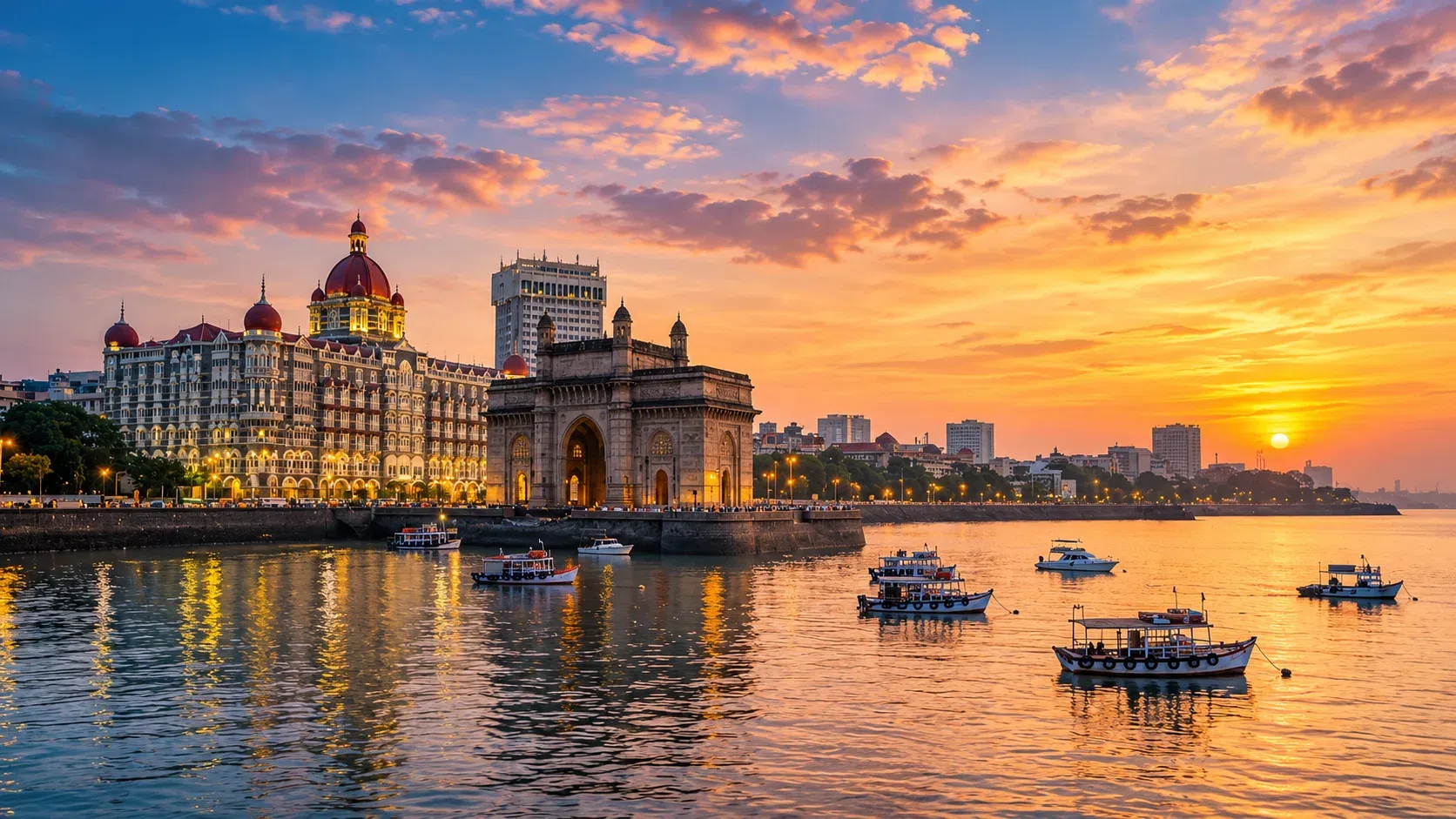
A practical guide to Mumbai’s iconic landmarks, local food, neighbourhoods, nightlife and easy weekend escapes.
Looking for places to visit in Mumbai? Start early. The first local trains are already packed, chai is being poured at roadside stalls, and taxis are weaving through traffic before the day has properly begun. Somewhere beyond all that noise, the Arabian Sea keeps things calm.
Mumbai is the City of Dreams (Mayanagari), the Maximum City, and, to those who call it home, Aamchi Mumbai, meaning “our Mumbai”. It is a city of contrasts. Old Gothic buildings stand beside glass towers, tiny food stalls sit below expensive restaurants, and a quiet sea-facing promenade can be just minutes away from complete chaos.
Then there is the food. Vada pav on the go, pav bhaji near the beach, kebabs late at night and cutting chai whenever there is a spare five minutes…
This Mumbai travel guide will give you the best places to visit in Mumbai, when to visit, how to get around, what to do in Mumbai, where to eat and shop, nightlife and a few easy escapes from Mumbai.
Best Time to Visit Mumbai
The best time to visit Mumbai is from November to February. Weather is cooler, drier and much more comfortable to walk around in South Mumbai or sit by the sea in the evening.
Hot and humid in March, April, May. The monsoon months June to September are the season for rain and Mumbai is no exception. The hills turn green, the roads flood, the trains are delayed, but a hot cup of chai just feels like the right answer to everything.
However, if sightseeing is the main objective, November to February is the least obstructive time to plan around.
How to Reach Mumbai
Wondering how to reach Mumbai? Getting here is rarely difficult. Mumbai is one of India’s busiest transport hubs.
- By air: Chhatrapati Shivaji Maharaj International Airport connects the city with major Indian and international destinations.
- By train: Chhatrapati Shivaji Terminus and Mumbai Central receive trains from Delhi, Bengaluru, Pune, Ahmedabad and several other cities.
- By road: Highways connect Mumbai with Pune, Nashik, Surat and Goa, while overnight buses are widely available.
And once you arrive, Mumbai wastes little time making an impression. There are crowds, announcements, horns, luggage and people who somehow always seem to know exactly where they are going.
Getting Around Mumbai
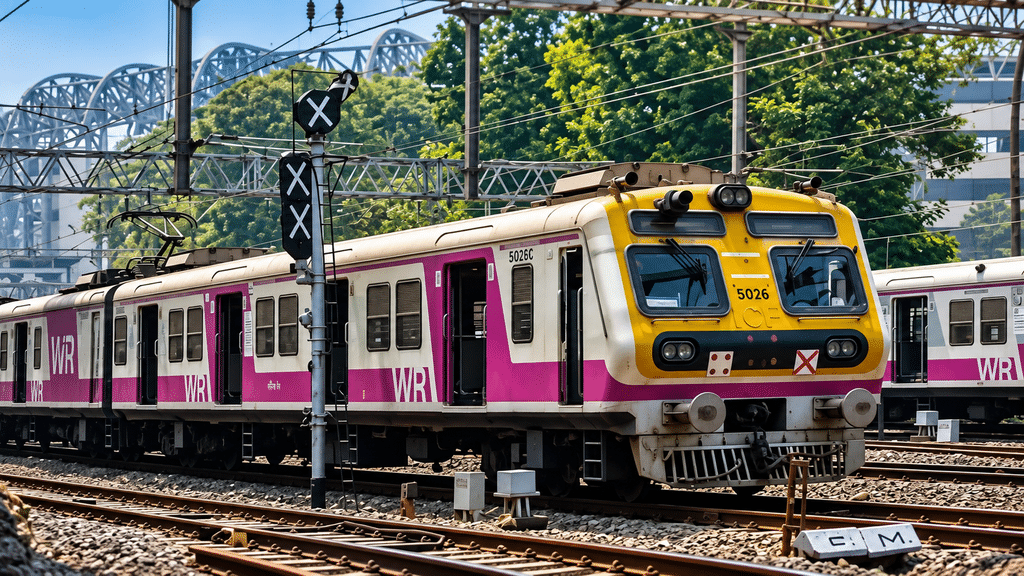
The Mumbai local train is often the quickest way to cross the city when traffic has other plans. It is cheap and efficient, though peak hours are not for the faint-hearted.
The Mumbai metro is useful on several routes, while auto-rickshaws are common in the suburbs.
Black-and-yellow taxis, commonly known as Kaali-Peeli Taxis, and app cabs are convenient for South Mumbai and longer journeys.
For a Mumbai city tour, group attractions by neighbourhood. A well-planned Mumbai city tour can cover a surprising amount without spending the whole day in traffic.
Colaba, Fort and parts of Bandra are also best explored on foot. Look up occasionally. Some of Mumbai’s nicest details are above eye level.
Top Places to Visit in Mumbai
From majestic heritage structures to ancient caves, beaches to temples and, surprisingly, expanses of green, the Mumbai tourist places have it all.
These tourist attractions in Mumbai are spread across different neighbourhoods, so planning by area saves plenty of time.
The key is to not see everything at once. Choose a few Mumbai sightseeing places and let the city unfold. These are some of the best places to visit in Mumbai and will give you a good idea of the various facets of the city.
Many of these are also among the famous places in Mumbai, but each has a very different character.
1. Gateway of India
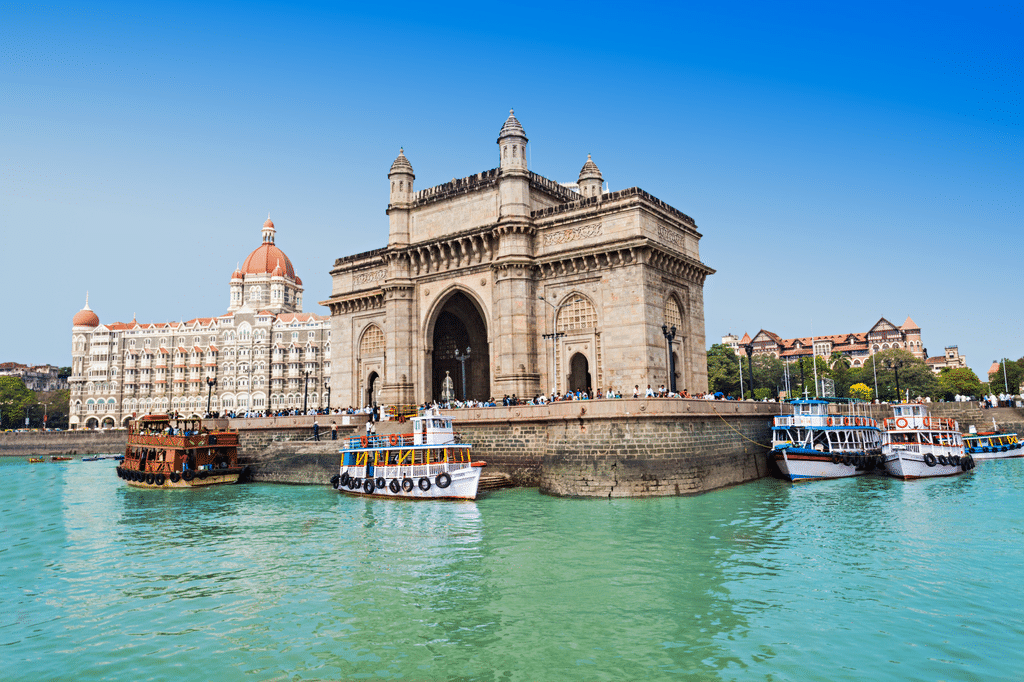
No doubt the Gateway of India is the first place most tourists will remember when they think of Mumbai.
The 26-metre basalt arch is located at Apollo Bunder overlooking the Arabian Sea. It was built in 1924, and has seen many generations of visitors come and go, come and sit by its waterfront.
Come early if possible. The morning light is beautiful, the crowds are less and the waterfront is not as hectic.
Time needed: 30-45 minutes for the monument and harbour.
Just across from the Gateway stands the iconic Taj Mahal Palace, one of Mumbai’s most recognisable landmarks. Its grand architecture and waterfront setting make it worth a pause, even if you’re not staying here. For travellers looking to stay in this part of South Mumbai, you can explore the Taj Mahal Palace Mumbai on Solis Nature.
Ferry service to Elephanta Island is also available nearby, allowing for both sights to be covered in a single day.
2. Marine Drive
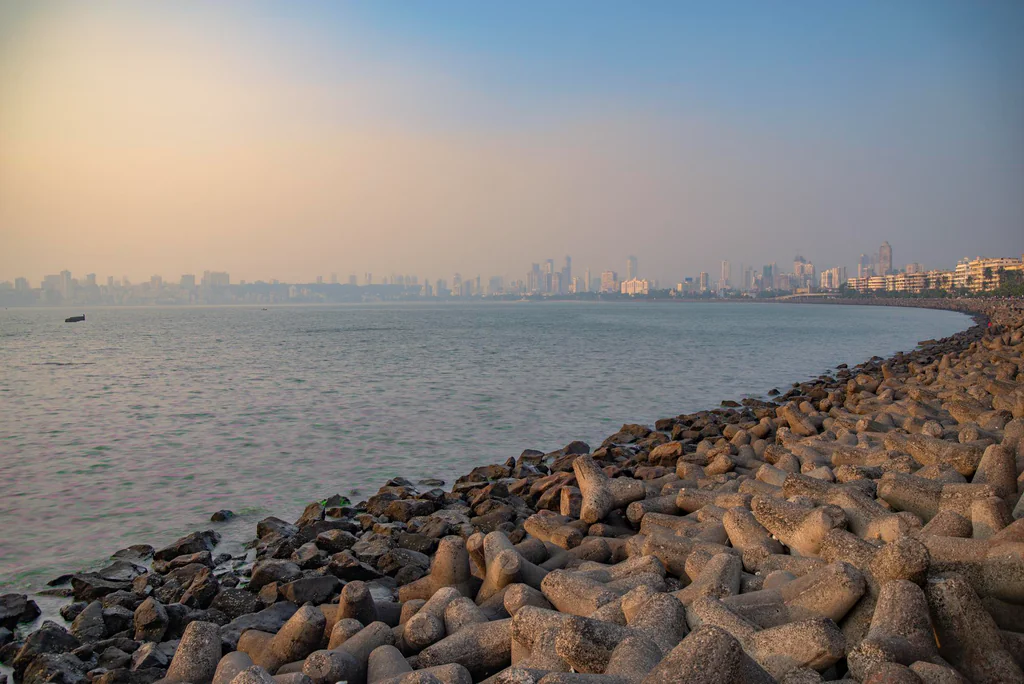
Marine Drive has a quality of simplicity. There is no complicated scheme to be followed.
The 3.6-kilometre promenade meanders along the Arabian Sea, where people jog, couples chat, office-goers take a break and families watch the waves.
Around the time of the sunset until the lights are seen along the curve. It is at this time that the renowned “Queen’s Necklace” is to be seen.
At the northern end, Girgaon Chowpatty adds another very Mumbai experience to the evening. Grab some bhel puri, sev puri or kulfi, watch the crowds come and go, and let the sea breeze do its thing…
Time needed: At least 45 minutes to an hour. There is no hurry.
This is one of the popular places to visit in Mumbai that you should not miss out on.
3. Chhatrapati Shivaji Terminus
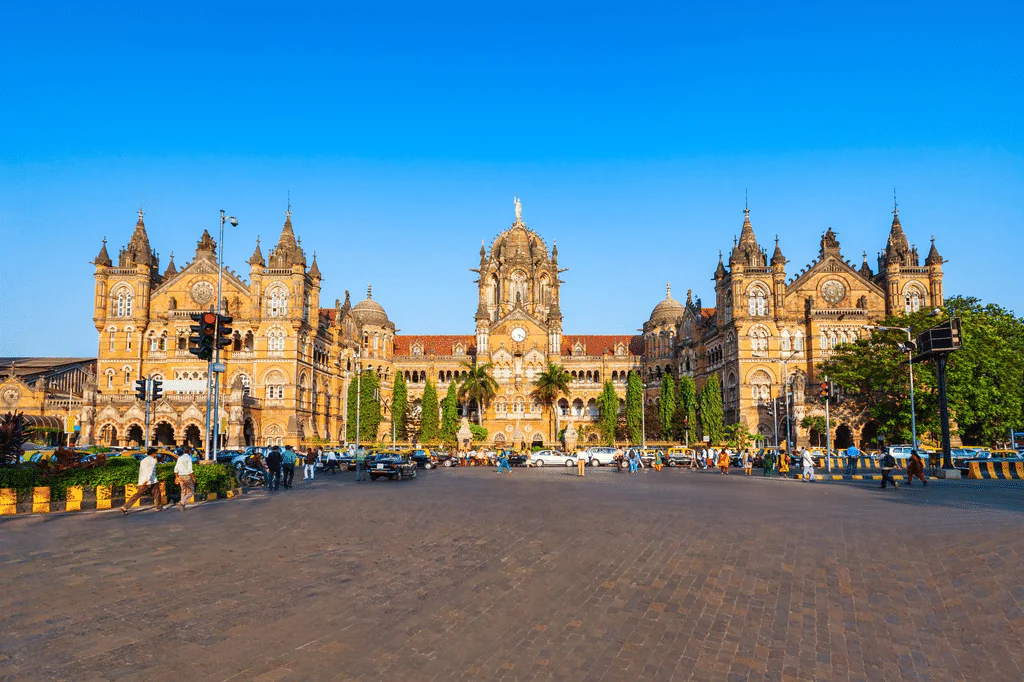
Chhatrapati Shivaji Terminus (CST) is a working railway station that is also a magnificent piece of architecture.
The building is a mix of Victorian Gothic and Indian architecture, featuring domes, arches and ornate stonework throughout.
In 2004 it was made a UNESCO World Heritage Site and remains one of the busiest stations in the city. It is also part of India’s wider collection of UNESCO cultural heritage sites, many of which are explored in Solis Nature’s guide to UNESCO World Cultural Heritage Sites in India.
Time needed: 30-45 minutes to explore the building and surrounding historic neighbourhood.
Just remember, thousands of people here are trying to catch a train.
4. Elephanta Caves
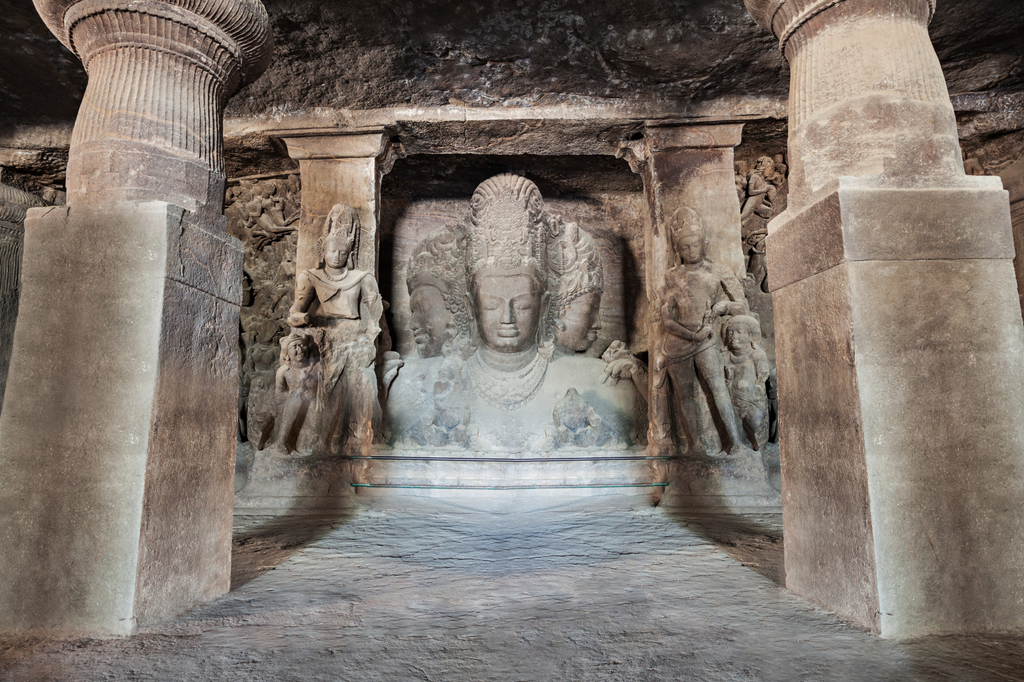
A ferry trip from the Gateway will take you out to Elephanta Caves, a UNESCO World Heritage Site famous for its rock cut temples dating back to ancient times and their magnificent sculptures of Lord Shiva.
They are usually open Tuesday to Sunday, 9:00 AM to 5:30 PM, but are closed on Mondays. Entry tickets are in addition to the ferry fee.
This is not a short one-hour stop.
Time needed: Allow about 4-5 hours for the ferry, the walk on the island and the caves.
There are quite a few steps, too. It will be easier if you wear comfortable shoes and bring a water bottle.
5. Haji Ali Dargah
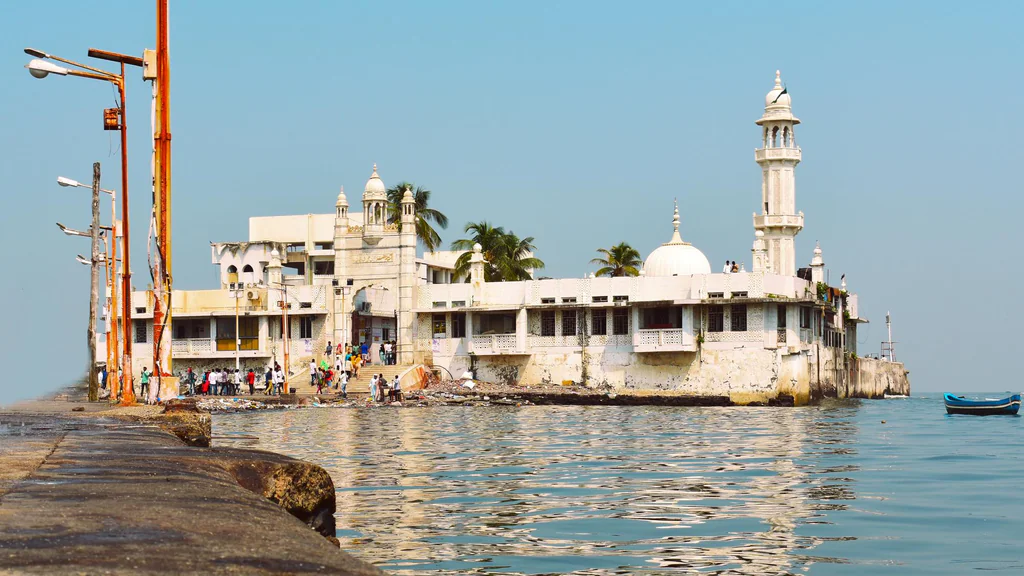
Haji Ali Dargah is located on an islet off the Worli, and accessed via a narrow causeway which extends into the Arabian Sea.
It is the setting that makes the visit memorable. The open sea is on one side and the skyline of Mumbai is visible in the distance.
The tides affect the causeway, so please check conditions of access before setting out. Enter the religious areas in a respectful manner.
Time needed: Most visits last approximately 45 minutes to an hour.
6. Siddhivinayak Temple
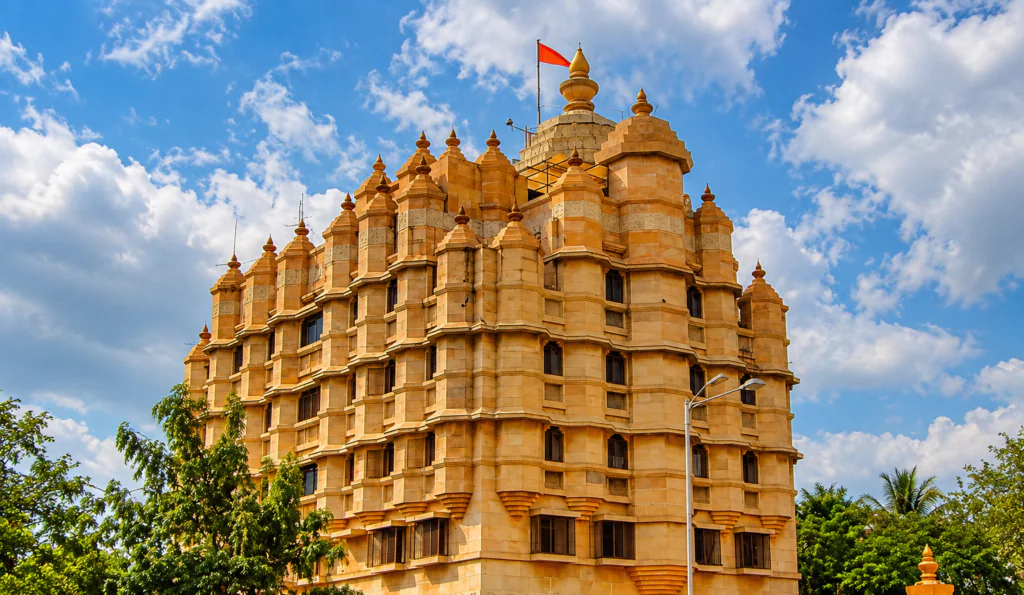
Siddhivinayak Temple at Prabhadevi is the shrine of Lord Ganesha and is amongst the busiest temples in Mumbai.
Darshan starts early and lasts till the day ends, with the timing varying around aarti. Visitors interested in a more relaxed experience should consider visiting on a weekday, as Tuesdays are especially busy.
No regular sightseeing ticket for darshan, but special poojas and services have separate charges.
If the temple is part of the plan, then give it extra time. Don’t make it a quick photo stop!
7. Juhu Beach
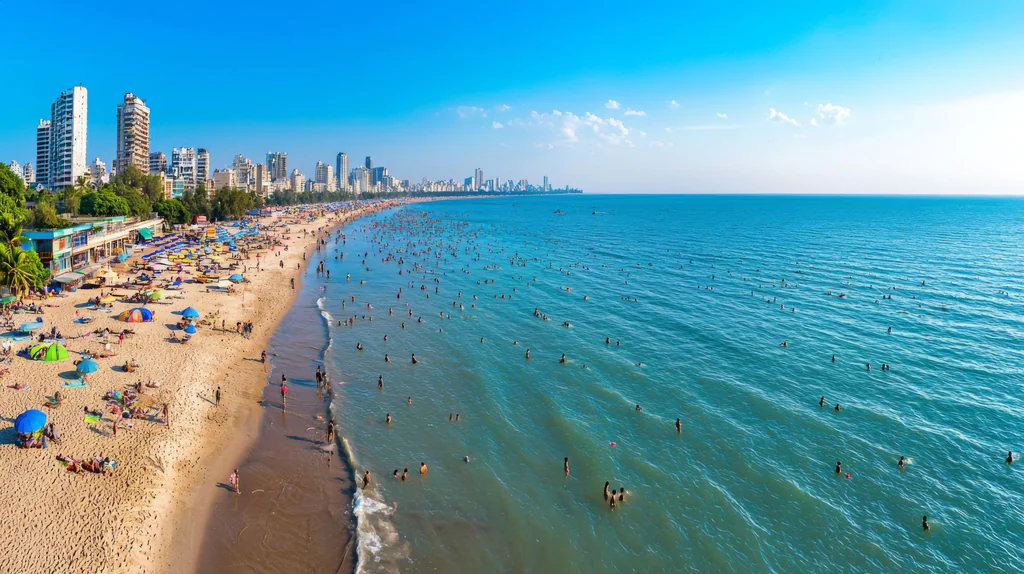
Juhu Beach isn’t a place to check off but a place to see Mumbai unwind.
Come in the evening. Kids are playing, families are strolling the streets, friends are out and food vendors are selling a lot of food.
This is where you can get bhelpuri, sev puri and pav bhaji. If you’re planning to eat dinner, keep one to two hours.
The surrounding Juhu neighbourhood also has strong Bollywood connections, which adds another layer to the experience.
8. Bandra-Worli Sea Link
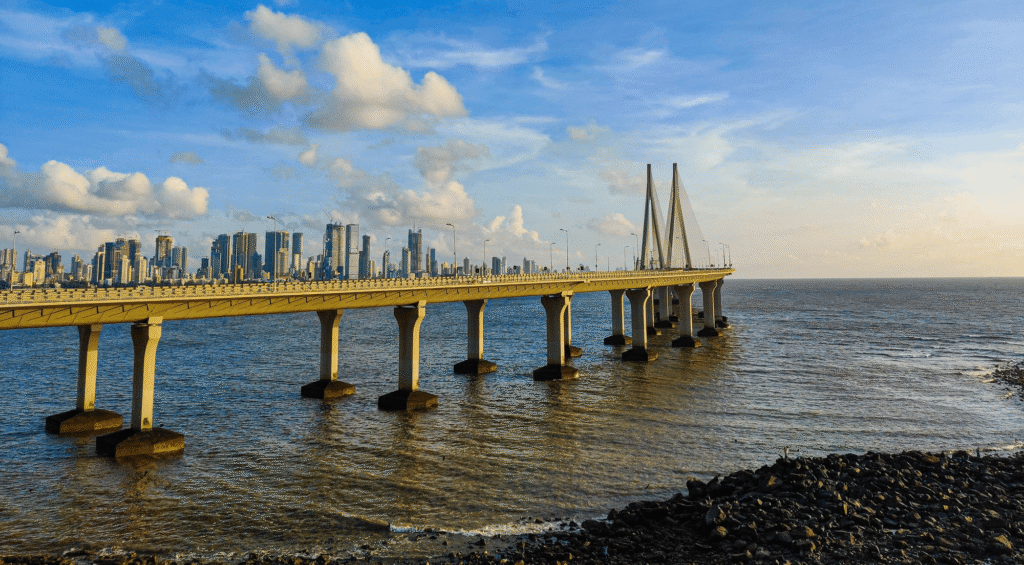
Bandra-Worli Sea Link is a link between Bandra and Worli via Mahim Bay.
It’s best to experience while crossing the bridge, not as a standalone attraction. The drive around the time of sunset is especially scenic.
It also complements the Bandra-South Mumbai combination of a day.
9. Colaba Causeway
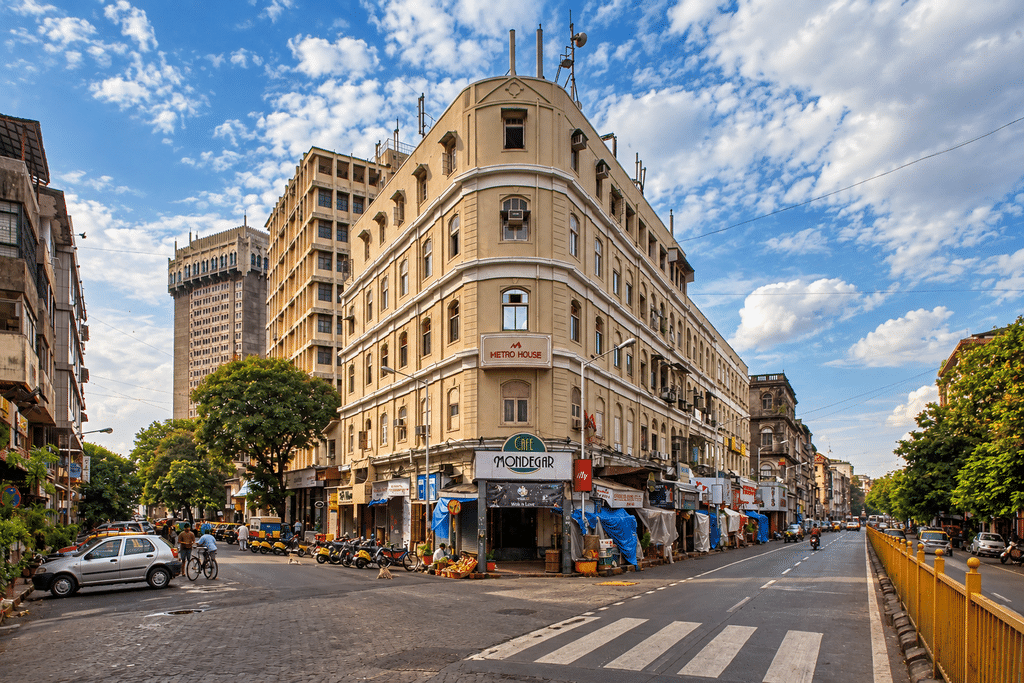
Colaba Causeway is a place where a few minutes can pass into two hours.
Items of clothing, jewellery, bags, mementoes, accessories and antiques are strewn about on the street. Bargaining goes hand-in-hand with the experience, so don’t be surprised if the first number is not the last.
Stay for 1-2 hours and leave some space in the bag for an impromptu buy.
The market is very close to the Gateway, CST and several cafés, which makes it a convenient part of a South Mumbai day.
10. Sanjay Gandhi National Park
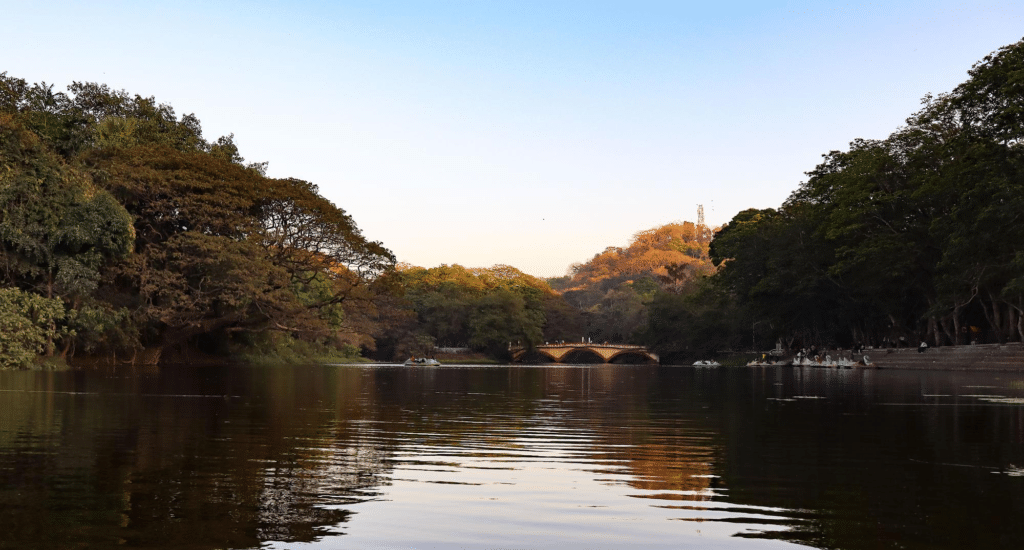
Mumbai’s wild side is quite surprising.
Sanjay Gandhi National Park occupies the northern part of the city and consists of forest, wildlife, a lake and the historic Kanheri Caves.
In general, the park is open Tuesday through Sunday from 7:00 a.m. to 6:30 p.m. and is closed on Mondays. There is a visiting schedule for the Kanheri Caves.
Time needed: If you have both the park and caves on your agenda, plan for about 3-4 hours.
Begin early, particularly in warm weather.
More Places to Add
Still have time? A few more Mumbai tourist places are worth considering:
- Chhatrapati Shivaji Maharaj Vastu Sangrahalaya: An excellent choice for art, archaeology and history. The museum is open most of the time from 10:15 AM until 6:00 PM.
- Malabar Hill’s Hanging Gardens: An easy spot for greenery and sea views.
- Film City: Interesting for Bollywood fans, subject to available tours and bookings.
Mumbai Street Food and Where to Eat
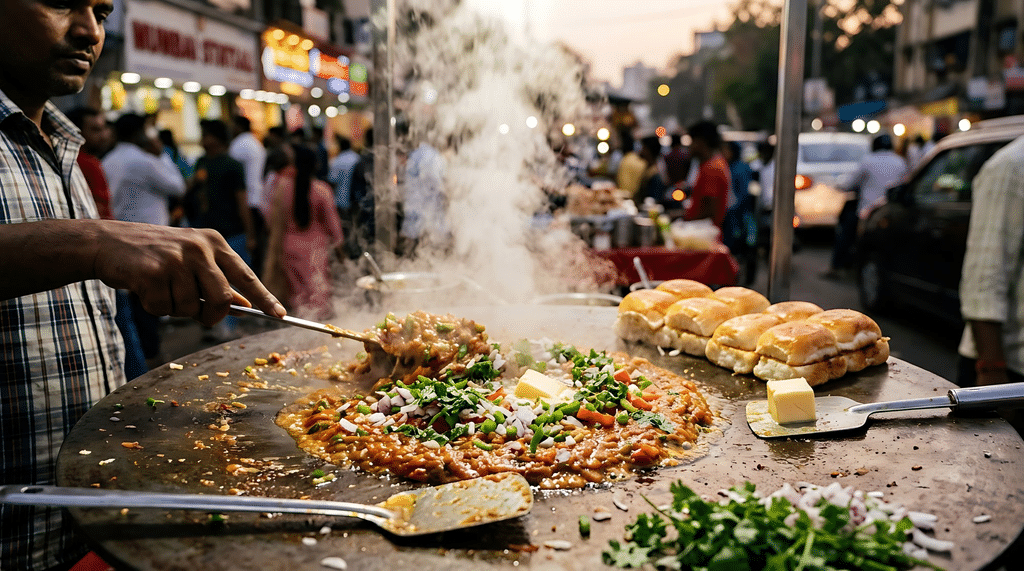
It’s difficult to talk about Mumbai without getting into the subject of Mumbai street food.
The first few things that come to mind are vada pav, pav bhaji, bhelpuri, sev puri and Bombay sandwiches. These are inexpensive, nutritious and widely available throughout the city.
Then, there’s the cutting chai. Locate a tapri and drink chai to see Mumbai go on.
Kebab, biryani and sweets are the speciality of Mohammed Ali Road, especially during Ramadan. Juhu Beach is also a convenient place for late-night snacks.
If you are wondering about things to do in Mumbai, then a local food trail is one of the most entertaining ways to spend an afternoon.
Shopping in Mumbai
The shopping experience in Mumbai can range from street shopping to luxury shopping in mere kilometres.
For clothes, accessories and souvenirs, you can go to Colaba Causeway and Fashion Street.
Linking Road is a hotspot for footwear and casual wear, and Chor Bazaar is a place to window-shop for antiques and unusual items.
Palladium and High Street Phoenix are completely different in the experience of international brands and premium Indian brands.
Shopping is also one of the easiest things to do in Mumbai when you want to experience the city’s local side.
Mumbai Nightlife
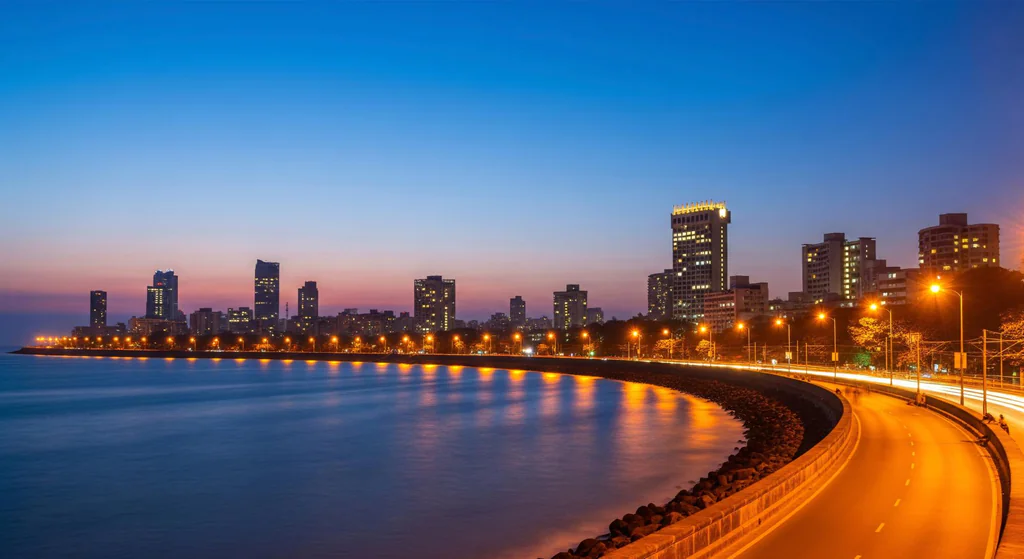
Mumbai nightlife is concentrated around Bandra, Lower Parel and Colaba.
Roof-top venues, live music, restaurants, lounges and cafés that are busy well after dinner.
If you prefer something more laid back, then the evening is the time to be at Marine Drive. No music, no dress code and no cover charge… only the sea and the city lights.
The popular weekend spots tend to fill up fast, so make reservations!
Places to Visit Near Mumbai
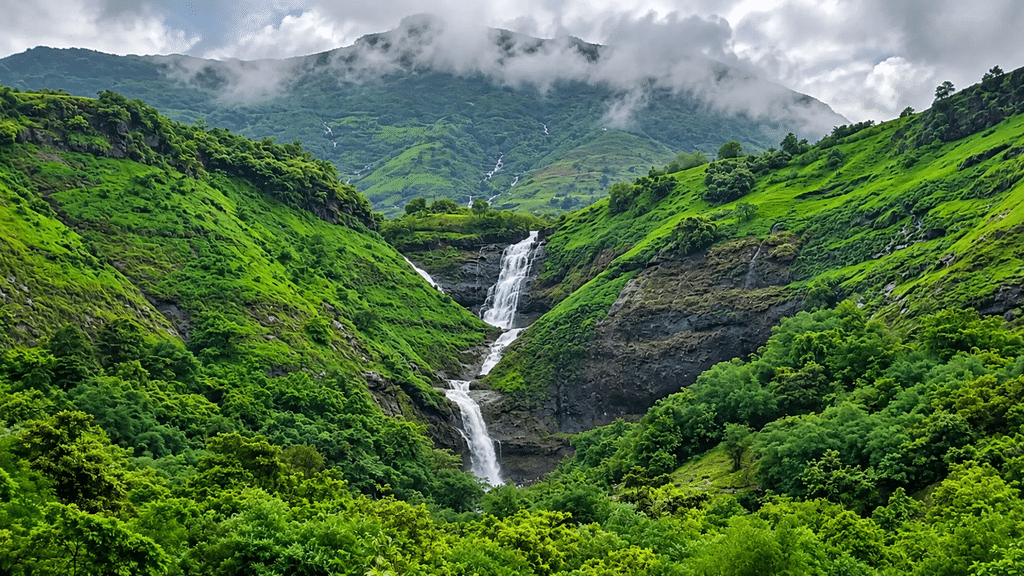
Sometimes the best way to take a break from Mumbai is to leave it for a day or two.
There are several easy places to visit near Mumbai, and many work beautifully as day trips from Mumbai.
- Lonavala: Green hills, viewpoints, monsoon waterfalls and the ever-present chikki. The Mumbai to Lonavala route is an easy weekend escape.
- Alibaug: Beaches, villas and coastal resorts, reachable by road or ferry. Mumbai to Alibaug works well for a quick change of scenery.
- Matheran: A peaceful hill station where motor vehicles are not allowed.
- Karjat: A greener, slower option with farm stays, riverside properties and plenty of open space.
For a weekend getaway near Mumbai, the right choice depends on the mood. Lonavala is about hills, Alibaug brings the coast, while Karjat is better suited to a quieter stay.
Travellers planning similar escapes from other metros can also explore Solis Nature’s guides to weekend trips near Delhi NCR, Pune getaways, and weekend escapes near Bangalore.
How Many Days Do You Need in Mumbai?
Two days work for the major South Mumbai landmarks, Marine Drive, Colaba and a few key attractions.
Three days feels more comfortable. It gives enough time for Bandra, Juhu and northern Mumbai without turning every day into a race against traffic.
Planning a weekend getaway near Mumbai as well? Four or five days gives the trip more breathing room.
Suggested Mumbai Itinerary
A good Mumbai itinerary is less about covering every attraction and more about not wasting half the day in traffic.
If you are short on time, prioritise the places to visit in Mumbai that sit close to each other and save the longer journeys for another day.
A well-planned Mumbai city tour can cover a surprising amount without making the trip feel rushed.
Day 1: South Mumbai
- Morning: Gateway of India and Elephanta Caves
- Afternoon: Colaba Causeway and Chhatrapati Shivaji Terminus
- Evening: Marine Drive
Day 2: Worli, Bandra and Juhu
- Morning: Siddhivinayak Temple and Haji Ali Dargah
- Afternoon: Bandra-Worli Sea Link and Linking Road
- Evening: Juhu Beach and street food
Day 3: Nature and Culture
- Morning: Sanjay Gandhi National Park and Kanheri Caves
- Afternoon: Chhatrapati Shivaji Maharaj Vastu Sangrahalaya or Film City
- Evening: Rooftop dinner in Bandra or Lower Parel
This Mumbai itinerary covers the major tourist attractions in Mumbai without making the trip feel like a checklist.
Where to Stay in Mumbai
The best areas to stay in Mumbai depend largely on what the trip is about.
- South Mumbai: Makes sense for Colaba, heritage buildings, museums and the seafront.
- Bandra: A better fit for cafés, restaurants, shopping and nightlife.
Travellers can browse hotels in Mumbai on Solis Nature. For a quieter break outside the city, villas across Maharashtra are worth exploring.
Mumbai Travel Tips
- Start early for Elephanta and other popular attractions.
- Group sights by neighbourhood. Mumbai traffic can be unpredictable.
- Use the Mumbai local train or Mumbai metro when it makes sense.
- Carry an umbrella during the monsoon.
- Keep some cash for smaller stalls and local markets.
- Check timings before visiting ticketed attractions and temples.
Final Thoughts
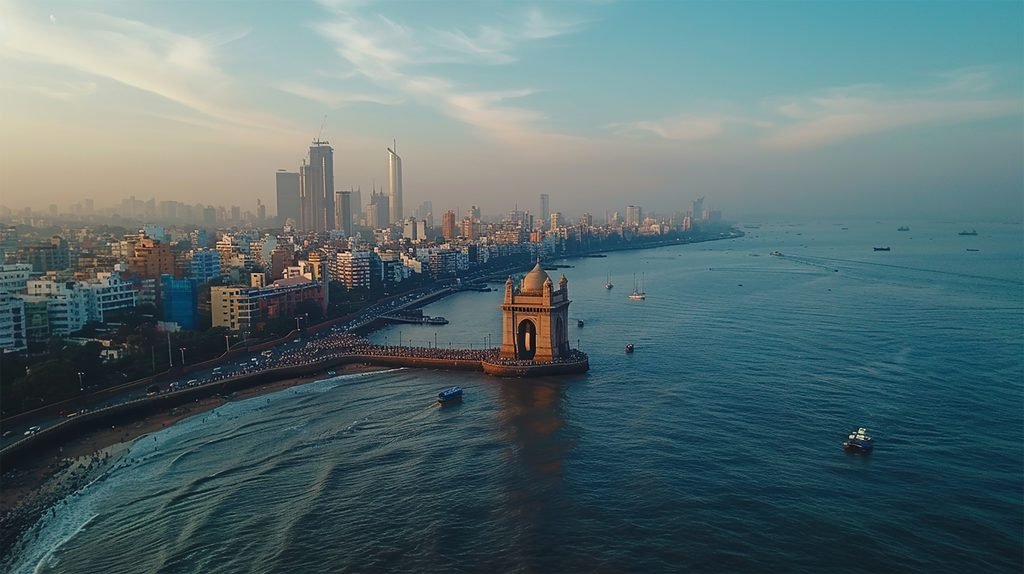
The best places to visit in Mumbai cover history, culture, food, beaches and nature. But honestly, the city is often more memorable in the spaces between them.
A cutting chai at a roadside tapri. The first lights along Marine Drive. Juhu getting busier as the sun goes down. A crowded Colaba lane with music coming from somewhere nearby…
The places to visit in Mumbai may bring you to the city, but its food, people and everyday rhythm are what make the experience memorable.
Ye hai Mumbai meri jaan! That is Aamchi Mumbai.
This Mumbai travel guide is a starting point, not a checklist. Come for the landmarks. Stay for the food, the neighbourhoods and that unmistakable Mumbai energy.
FAQs
1. What are the best places to visit in Mumbai?
Some of the best places to visit in Mumbai include Gateway of India, Marine Drive, Elephanta Caves, Chhatrapati Shivaji Terminus, Juhu Beach, Colaba Causeway and Sanjay Gandhi National Park. The city also has temples, museums, heritage buildings, markets and lively neighbourhoods worth exploring.
For more ideas on what to see and do, you can also explore this Quora discussion on visiting Mumbai.
2. What are the best things to do in Mumbai at night?
Some popular things to do in Mumbai at night include spending time at Marine Drive, exploring Mumbai nightlife in Bandra or Lower Parel, enjoying street food, and visiting late-night cafés and restaurants. Marine Drive is especially popular for a relaxed evening by the sea.
For more local perspectives, see this Quora discussion about things to do at night in Mumbai.
3. Where can I try the best Mumbai street food?
Mumbai street food is best experienced through local favourites such as vada pav, pav bhaji, bhelpuri, sev puri and Bombay sandwiches. Juhu Beach, Mohammed Ali Road and several neighbourhood markets are popular spots for trying different flavours.
You can also read local recommendations in this Quora discussion on street food in Mumbai.
4. Why is Mumbai called Mayanagari?
Mumbai is often called Mayanagari, or the “City of Dreams”, because of its strong association with Bollywood, entertainment and the aspirations of people who move to the city hoping to build a career. Over time, the name has become closely connected with Mumbai’s larger identity as a city of opportunity.
This Quora discussion on why Mumbai is called Mayanagari also explores the meaning behind the name.
5. What are the best places to visit in Mumbai for an evening by the sea?
Marine Drive and Girgaon Chowpatty are among the classic choices for a Mumbai evening. Walk along the promenade, watch the Queen’s Necklace light up and stop at Chowpatty for local snacks such as bhel puri and sev puri. Juhu Beach is another option if you’re staying in the western suburbs.
Maharashtra Tourism also lists Girgaon Chowpaty, Marine Drive and Juhu Beach among Mumbai’s popular coastal destinations.
6. How many days are enough to explore Mumbai?
Two to three days are enough to cover many of the major Mumbai tourist places. Two days can cover South Mumbai, Marine Drive, Colaba and key landmarks, while three days allows more time for Bandra, Juhu, northern Mumbai and additional attractions.
If you also want to explore places to visit near Mumbai, consider adding another one or two days.
7. What is the best time to visit Mumbai?
The best time to visit Mumbai is from November to February, when the weather is generally cooler and more comfortable for sightseeing. The monsoon between June and September has its own charm, with greener surroundings and dramatic coastal views, but heavy rain can affect travel plans.
8. How can I get around Mumbai easily?
The Mumbai local train and Mumbai metro are useful for covering longer distances, while taxis and auto-rickshaws work well for shorter journeys. For sightseeing, grouping attractions by neighbourhood is a good way to avoid spending too much time in traffic.