Dubai Travel Guide: Things to Do in Dubai & Know Before You Visit
Explore this Dubai travel guide for the best things to do in Dubai, plus visa tips, best time to visit, transport, food, shopping and more.
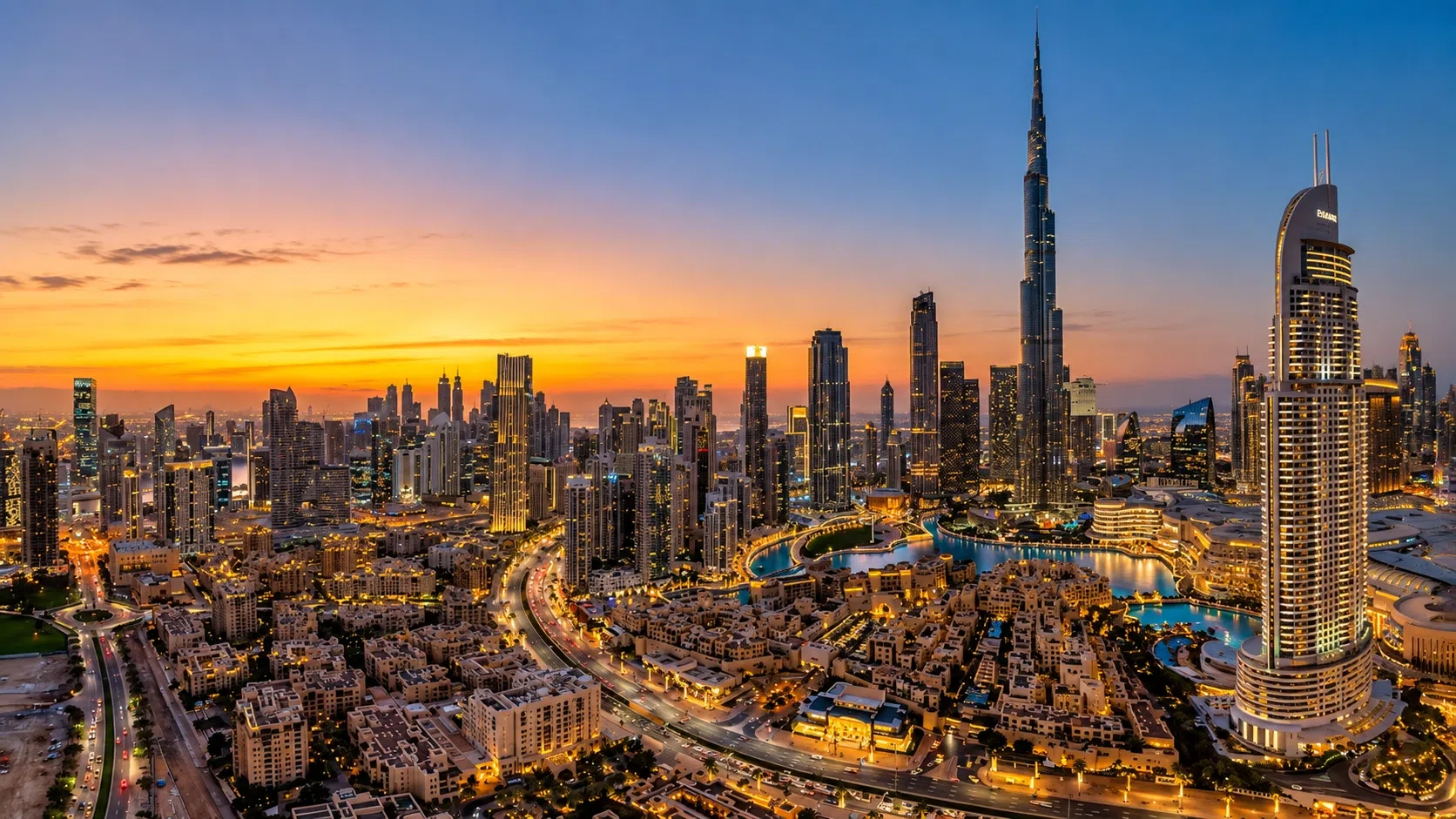
Planning to travel to Dubai? It is not only the skyscrapers, shopping malls, luxury hotels that make up the Dubai travel guide. Imagine wooden abras cruising down Dubai creek, the sweet scent of cardamom and spices permeating a historic souk, golden dunes rolling out far into the distance and futuristic skyscrapers illuminating the night sky. Dubai is a place where one can experience two worlds side by side, and it does just fine.
The day can begin in a quiet old neighbourhood, escalate to the dizzying heights of Burj Khalifa and end with the desert sporting shades of orange and pink at sunset. Next come the lights of the city, the hustle and bustle of the streets, late night cafes, and then there’s Dubai’s energy. Here’s a lot of things to see, Yalla.
It will explain how to make the journey to Dubai easier, the best things to do in Dubai, visa requirements, travelling, food, neighbourhoods and shopping, local etiquette and off the beaten track experiences.
Things to Know Before Visiting Dubai
Here are a few things to know before visiting Dubai so the first day doesn’t seem so daunting.
- Work week: Monday to Friday is the traditional working week in the UAE although certain businesses, attractions and services operate on alternate days or different times.
- Language: Arabic is the official language and English is widely spoken throughout the hotels, restaurants, shops and tourist attractions.
- Currency: The UAE dirham (AED) is used throughout Dubai. Cards are accepted virtually anywhere, with the exception that some cash can be helpful in traditional markets and for little purchases.
- Local etiquette: Dubai is an extremely international place, but it is important to be mindful of local customs, especially in relation to religious and heritage sites.
- Dress: It’s ok to wear swimwear at beaches, pools and water parks. More modest attire is acceptable in malls, traditional neighbourhoods and cultural areas.
A quick marhaba is hello and shukran is thank you. These little things can make the day-to-day interactions warmer.
Convenience is also the order of the day in Dubai. The English language is widely used, the transport system is well developed and visitors are from all over the world. Learn a little about local customs and it makes it much simpler to get acclimated to an urban area.
Best Time to Visit Dubai
- The best time to visit Dubai is the months from November to March, where the weather is more pleasant for outdoor activities like sightseeing, desert safaris and beach time. It is also the busiest time of the year and popular attractions and hotels may fill up quickly.
- If you have plans at the start or at the end of the day, you may want to consider April-May or September-October.
- In the summer months (June to August) it can be very warm outside, so it is preferable to do things indoors.
- If traveling during the month of Ramadan, please note that some sites of interest and restaurants/services may have alternate hours.
Dubai Visa for Indians: 2026 Requirements
The entry requirements to the UAE for Indian nationals will vary based on their circumstances and if they are eligible for entry visa-free or visa on arrival. If you are not eligible for either, you will need to apply for a tourist visa before travelling.
Travellers planning international trips beyond Dubai can also explore this guide to 12 visa-free countries for Indians you can visit on a budget in 2026, which covers other destinations with simpler entry requirements.
The latest rules are necessary to verify before booking Dubai visa requirements for Indians 2026, as eligibility and supporting-document requirements for visa applications may change.
Depending on the visa type and application route, travellers may be asked for:
- A valid passport
- Passport photographs
- Accommodation or travel details where required
- Additional supporting documents requested by the issuing authority
In addition, there is a special visa-on-arrival service for eligible citizens of India with an ordinary passport and relevant documents such as some types of US permanent resident cards or UK/EU residence visas. Dubai’s GDRFA says that this facility gives them a 14-day entry visa, with conditions including the validity of documents.
The easiest way to get a Dubai visa for Indians is to verify the updated Dubai visa requirements with the appropriate immigration authority in UAE or Dubai before making the trip.
How to Get Around Dubai
Dubai is rather easy to navigate. Dubai Metro service links various prominent tourist spots, and taxis and ride-hailing companies like Uber and Careem are convenient for places outside the Dubai Metro network.
A Nol card is valid for all public transport services provided by the main RTA – Metro, buses, tram and marine transport. The S’hail app can assist with routes and journey planning. If you prefer a more traditional ride, cross Dubai Creek on an abra. It’s easy, cheap and surprisingly effective.
Things to Do in Dubai
There is no shortage of things to do in Dubai. The only difficulty is getting them all in one go. Seriously, give the itinerary some breathing room!
There’s typically a balance of the big-ticket items and quieter neighbourhoods, food stops, desert landscapes and just chilling.
1. See Dubai from the Burj Khalifa
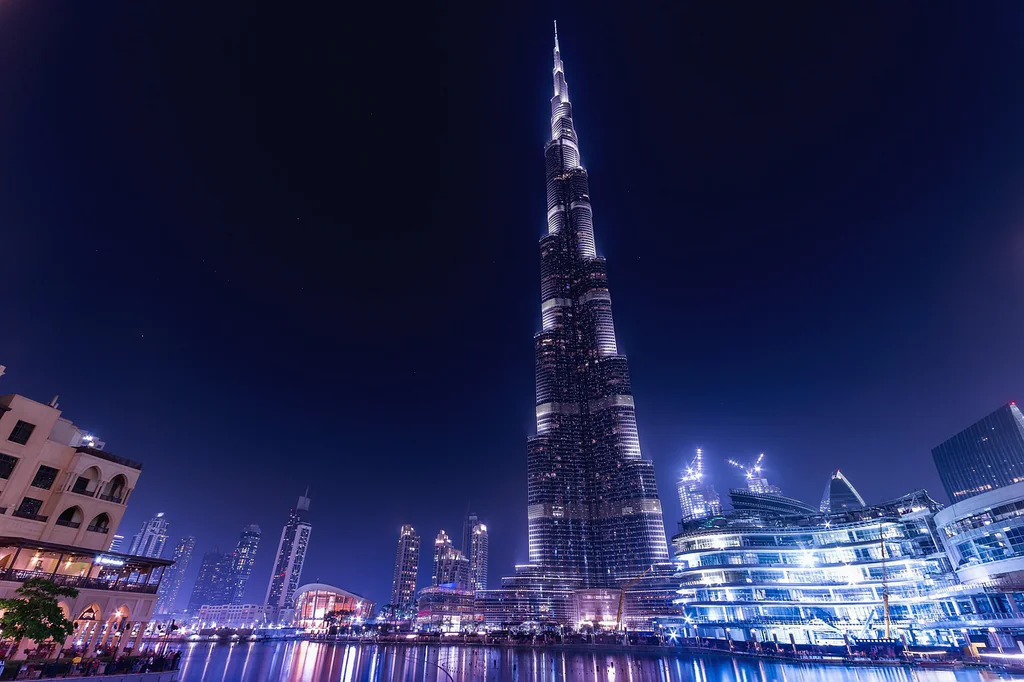
Of course, the Burj Khalifa is the first place of interest. The observation decks offer a view of Dubai – its skyscrapers, coastline, highways, and desert all in one.
- Sunset offers changing colours followed by a sparkling cityscape.
- Advance booking is useful if a particular date or viewing time matters.
On a clear day, the view can genuinely make you stop talking for a minute.
2. Explore Dubai Mall and Downtown
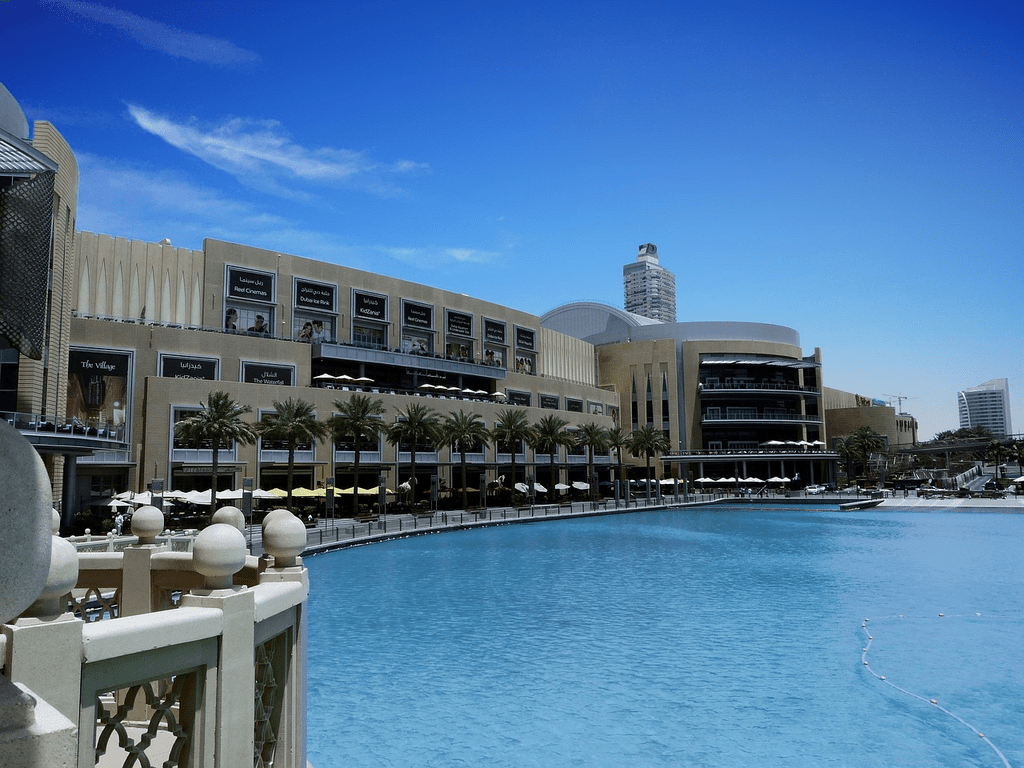
Dubai Mall is more than just a shopping hub. Restaurants, entertainment and attractions including Dubai Aquarium & Underwater Zoo and Burj Khalifa and the Downtown waterfront are all nearby.
Once the sun goes down, the area becomes a totally different scene. Lights go on, folks flock to the waterfront, the skyline’s almost cinematic.
3. Go on a Desert Safari
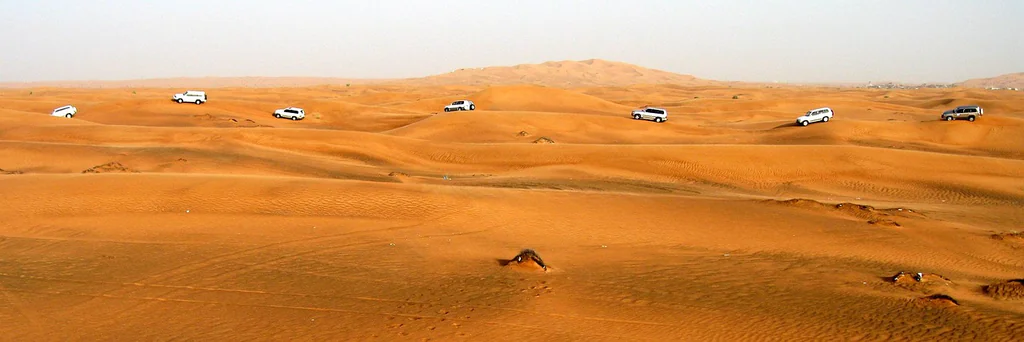
The dune drives, sandboarding, camel rides, wildlife encounters and the camp activities are part of a Dubai desert safari.
Evening safaris add to the complete desert experience. The dunes glow in golden light, the heat slowly ebbs and dinner is served under the open sky. If you’re looking for something more relaxed, a conservation experience is an opportunity to get up close and personal with the desert ecosystem.
4. Wander Through Old Dubai
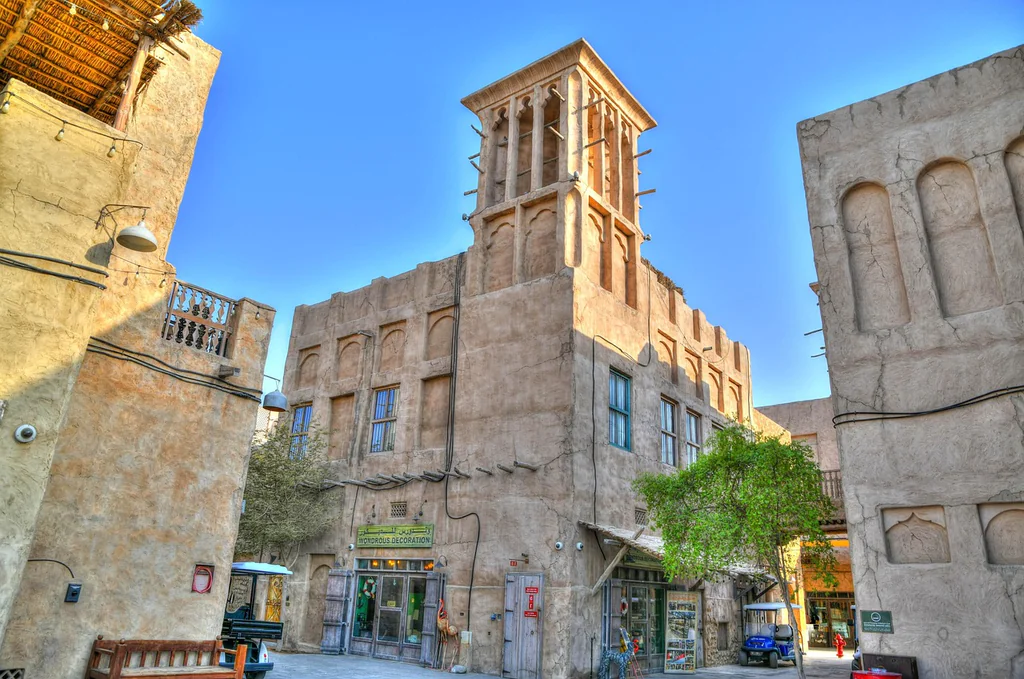
Go to Al Fahidi Historical Neighbourhood, Dubai Creek, Gold Souk and Spice Souk for an entirely different side of the city.
- Stroll down the narrow streets and through the old buildings.
- Take the abra to cross the Creek and visit karak.
- Take your time. When there’s no rush to go somewhere else, Old Dubai is better.
It has a very natural feel and real feel to it with the fragrance of spices, shop owner banter and the smell of abras as you cross the water.
5. Visit the Museum of the Future
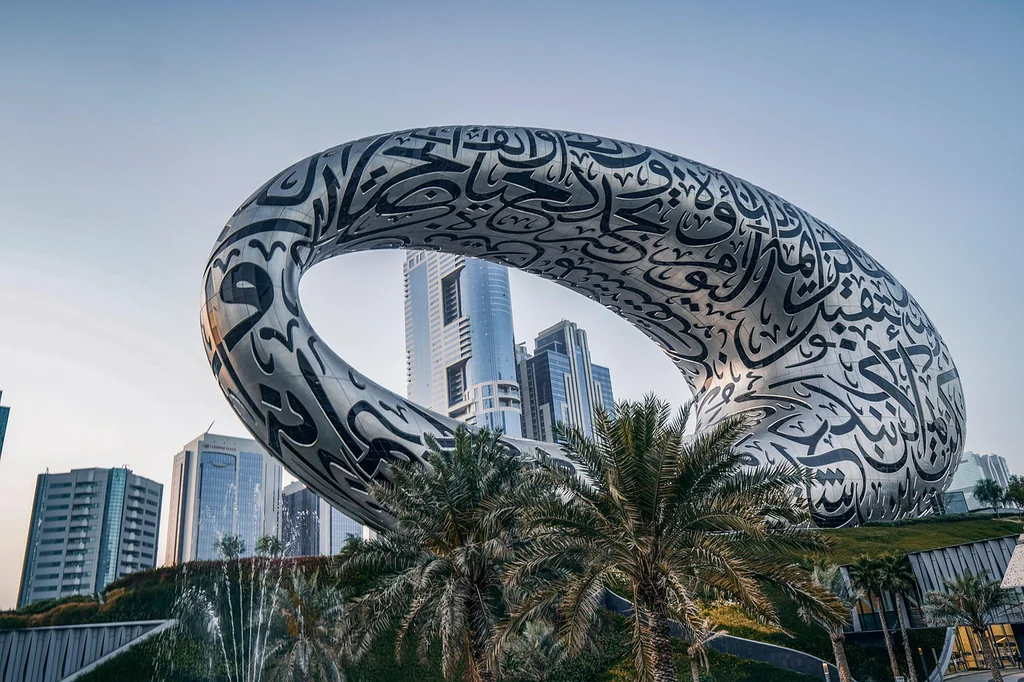
The Museum of the Future is easily identifiable. The unique circular design makes it one of the most iconic modern landmarks in Dubai.
On the inside, science and tech and perhaps future visions are explored. The building itself seems to be a preview of an event yet to come. Timed admission may apply, please see up-to-date ticketing information before visiting.
6. See Palm Jumeirah from the Water
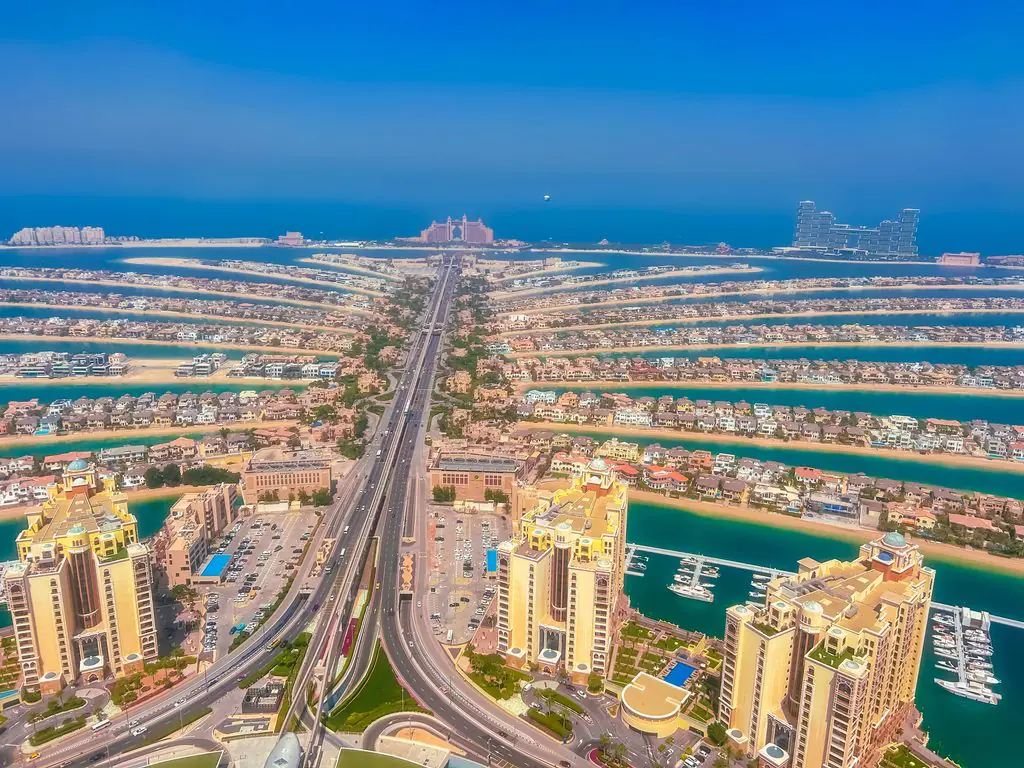
From the water, Palm Jumeirah is more comprehensible in its unique form of design.
Select a sightseeing boat, yacht trip or sunset cruise. The sky starts to illuminate against the backdrop of the evening, and it’s clear that it’s Dubai. Extraordinary Dubai, extraordinary drama!
7. Visit Ain Dubai
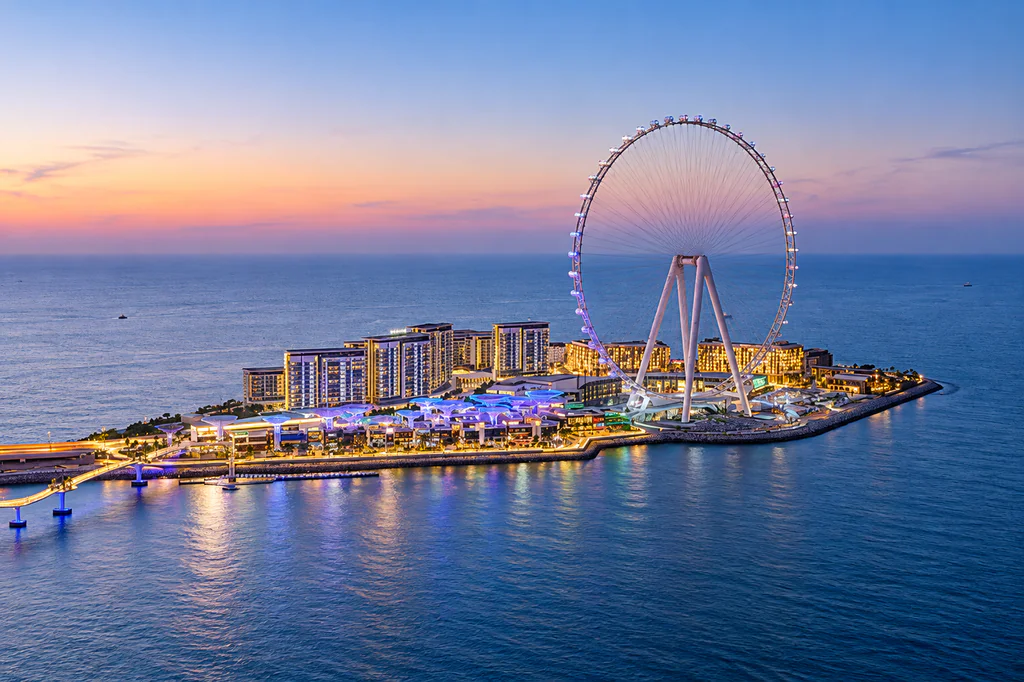
Ain Dubai on Bluewaters Island is one of the city’s most recognisable waterfront landmarks.
It is located on higher ground with views of the coast and the skyline if in use during the visit. Bluewaters and JBR can be easily combined and offer an opportunity for waterfront strolls, dining and cafés.
8. Spend Time at the Beach

Jumeiraj Beach, Kite Beach and other public beaches are a convenient respite from sightseeing.
Mornings and evenings are especially nice outside of the peak summer season. Sometimes the best idea is to do nothing after a full day of sightseeing, shopping and landmarks. Only sand, sea and time to breathe.
9. Explore Dubai Frame
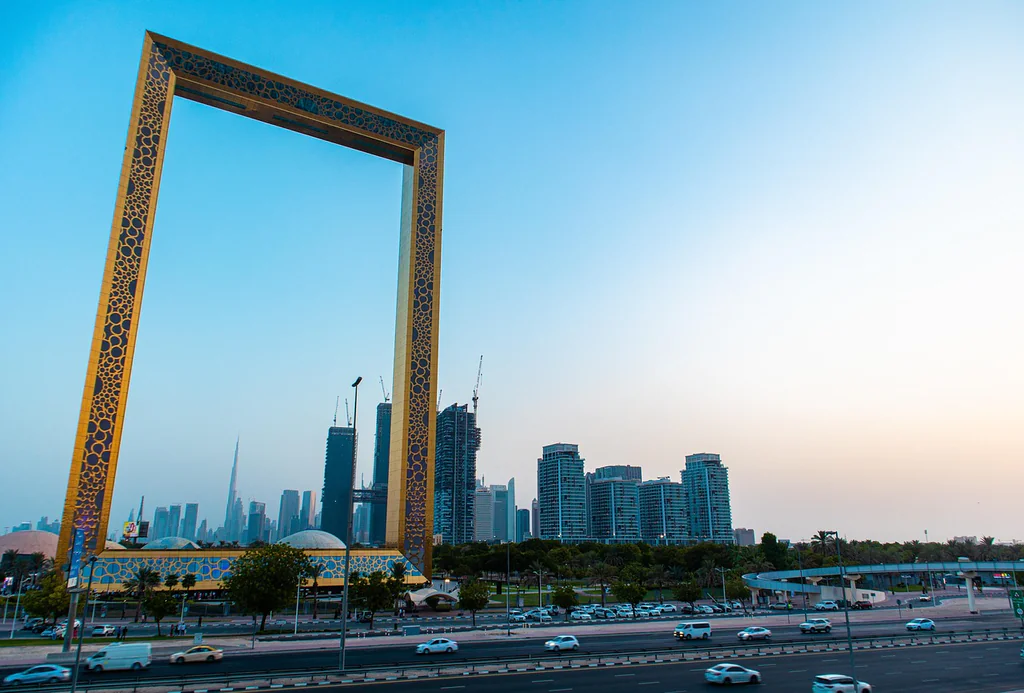
Dubai Frame in Zabeel Park offers views towards both old and new Dubai.
It also chronicles the city’s evolution and it’s worth visiting for those who want a bit of background on all those shiny skyscrapers. A simple stop but it is interesting to note the contrast between the two sides of the skyline.
10. Take a Dhow Cruise
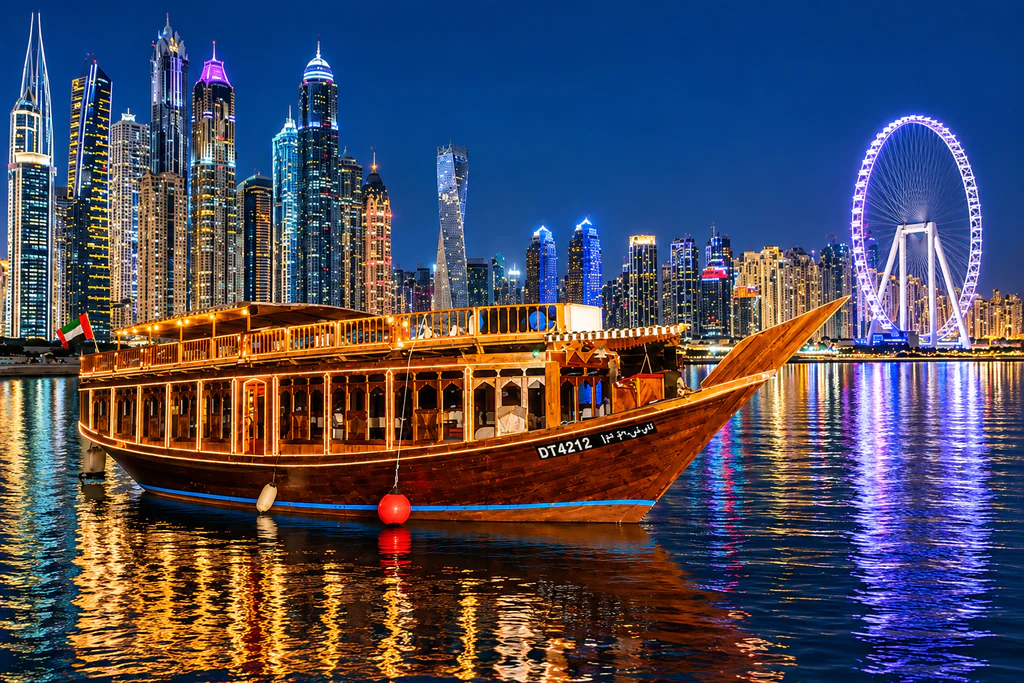
A dhow cruise around Dubai Creek or Dubai Marina offers a slower evening of sightseeing, in a traditional style.
Dinner cruises are plentiful but not all are created equal when it comes to routes and inclusion. Be sure to see the contents of the package before booking, then relax and enjoy the city lights dancing on the water.
These are some of the most famous Dubai tourist attractions but this is just one side of Dubai.
Beyond the Skyline: Nature and Adventure
The city of Dubai is known for its glass towers and luxurious resorts, but there are more memorable things to do in Dubai that are not found in Downtown.
11. Al Qudra Lakes
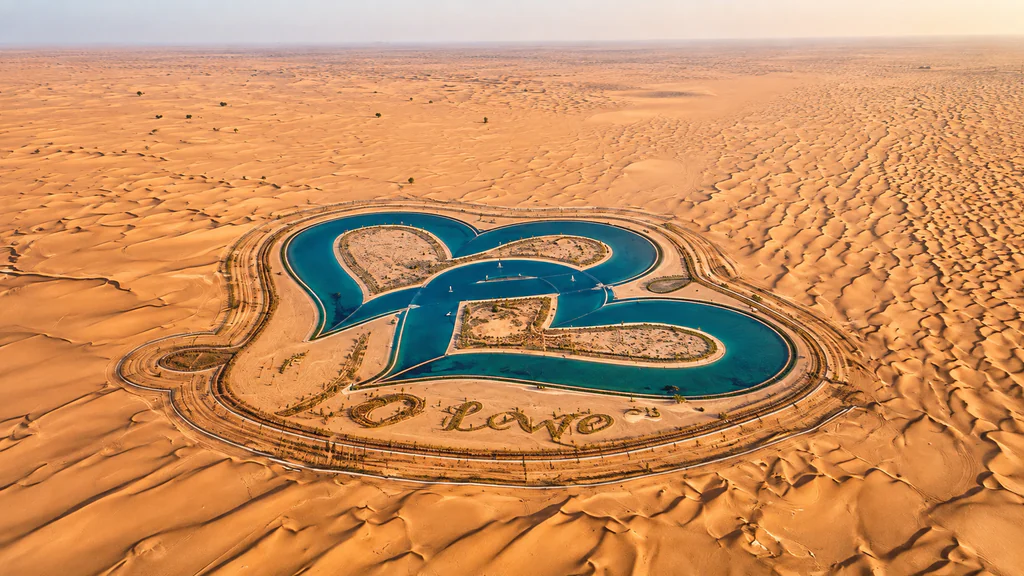
Al Qudra is an amazingly tranquil desert with lakes, open spaces and wildlife. Love Lake is especially famous for its shape of a heart.
The time of sunrise is a charming hour to visit. The desert is still, the light is warm and, for now, the noise of the city is distant. A great spot to relax.
12. Dubai Desert Conservation Reserve
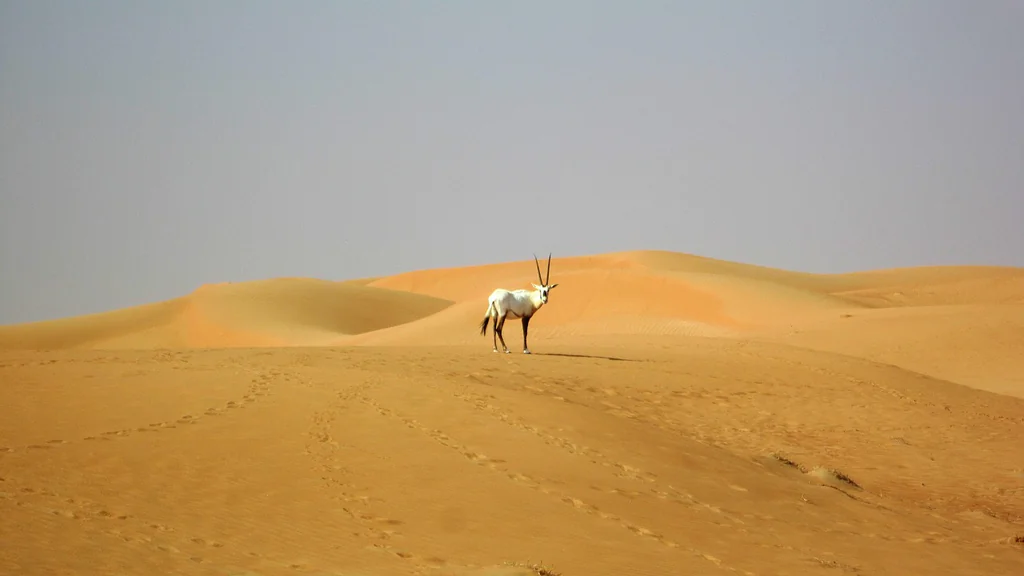
If you’re more interested in desert ecology than dune bashing, the Dubai Desert Conservation Reserve provides opportunities to learn about the local wildlife and conservation-minded experiences.
The reserve is a site of conservation for desert species and habitats, such as the Arabian oryx. In this one, the desert is not just a setting for an adventure, but it’s the setting.
13. Hatta
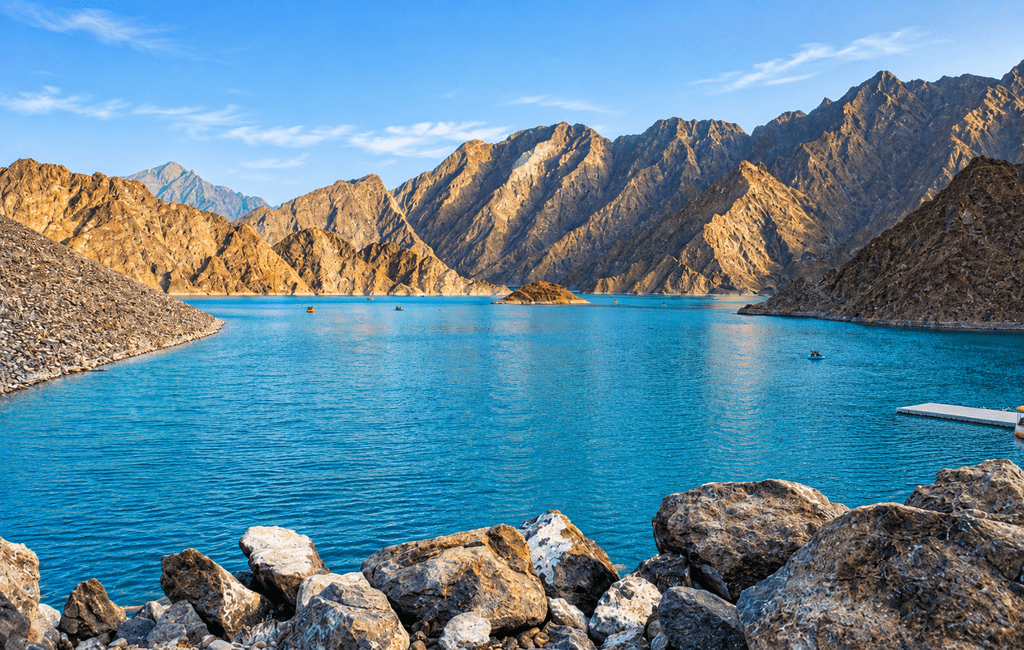
Hatta brings mountains, lakes and outdoor adventure into the picture. It is situated in the Emirate of Dubai in the Hajar Mountains, and is famous for hiking, kayaking, mountain biking and camping.
Hatta Dam is a popular kayaking spot while Hatta Heritage Village gives a glimpse of the area’s history. The mountain landscape appears to be a totally different place after spending days around skyscrapers.
14. Ras Al Khor Wildlife Sanctuary
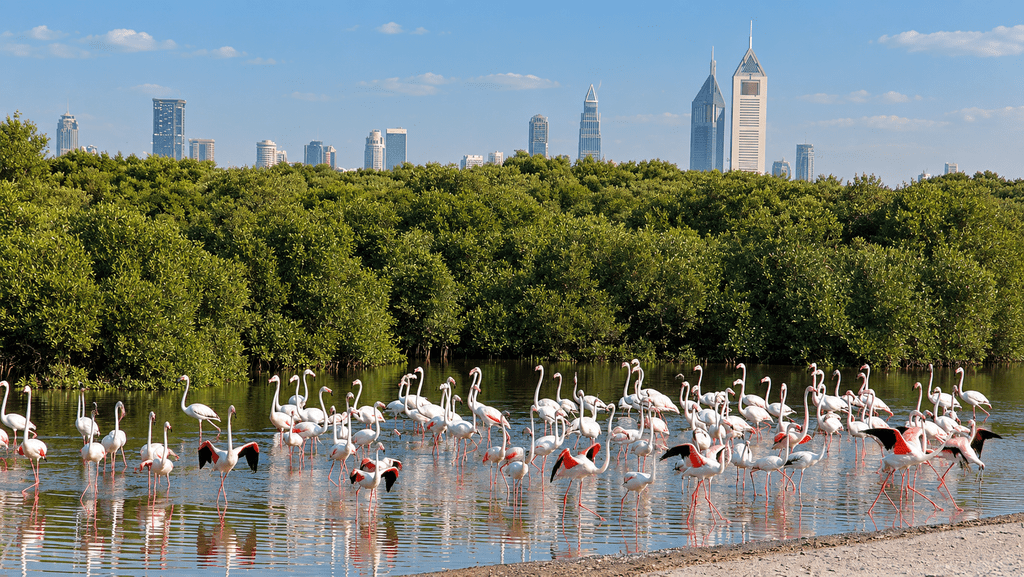
Ras Al Khor Wildlife Sanctuary is a wetland sanctuary with birdlife, including flamingos.
A big change of scenery for nature enthusiasts, photographers or those who wish for a peaceful moment. And the sight of flamingos, with Dubai’s skyline in the background? Truthfully, it’s quite a bizarre thing to see.
A Simple 4-Day Dubai Itinerary
It’s not about packing in as much as it’s about making the most of what you have. A Dubai itinerary doesn’t have to be crammed into four days. Allow for some ventilation. Otherwise, the holiday might turn into a race to one of the ticket counters and back.
Day 1: Downtown Dubai
Visit Burj Khalifa and Dubai Mall and then head down to the Downtown waterfront.
Make a night of it by visiting the Dubai Fountain and enjoying the lit-up lights of the city. As soon as the sun sets, the whole scene changes.
Day 2: Old Dubai
Spend the day around Al Fahidi Historical Neighbourhood, Dubai Creek, the Gold Souk and Spice Souk.
Cross the Creek on an abra, pick up some karak and then head to the older neighbourhoods for dinner. Go slow – there is lots to see without visiting every corner.
Day 3: Desert
Opt for a morning or evening desert safari.
Include sandboarding, camel rides or a conservation experience for the type of tour. An evening safari with sunset and dinner is an unbeatable way to experience the desert ambiance.
Day 4: Palm Jumeirah, JBR & Bluewaters
Visit Palm Jumeirah, enjoy some time at the beaches, head towards Dubai Marina and end up around Bluewaters Island.
If there is a yacht cruise or multiple hours of water time planned, allow for flexibility during the day. No award for squeezing in one more attraction!
Hatta is a worthwhile addition for a longer stay, particularly for those who wish to go hiking, kayaking and enjoy mountain scenery.
Where to Stay in Dubai
There are many attractions in Dubai, and Dubai’s location makes it easy to get around if you choose the right neighbourhood.
- Downtown Dubai: Ideal for those looking for convenient access to Dubai’s central attractions, Dubai Mall, and Burj Khalifa.
- Dubai Marina and JBR: Beaches, restaurants, and a vibrant waterfront vibe.
- Palm Jumeirah: A resort town with beaches, pools and luxury properties.
- Bur Dubai and Deira: Good for those interested in Dubai’s Old Town, the Creek, souks and a more traditional urban experience.
When looking for hotels in Dubai, Solis Nature’s curated Dubai stays allow you to effortlessly compare accommodation options across Dubai.
Food and Local Flavours
The Dubai food guide should not only be about hotel buffets and rooftop restaurants.
Dubai’s food scene is as it is. Emirati flavours blend with flavors from communities from around the globe, resulting in a wonderfully diverse food culture.
Make machboos (spiced rice with meat or seafood) and luqaimat (small dumplings stuffed with date syrup or another sweet topping).
Then there is the everyday comfort food: Arabic coffee, shawarma, grilled meats and, of course, karak chai. After exploring Old Dubai, a hot cup? Perfect.
You can find good deals on food in Karama and Satwa, where South Asian, Middle Eastern and other casual food is available.
Then there’s Friday brunch, which is a Dubai staple. Some are casual events, while others are extravagant with elaborate spread and entertainment.
Simply a shukran is enough when ordering.
Shopping in Dubai
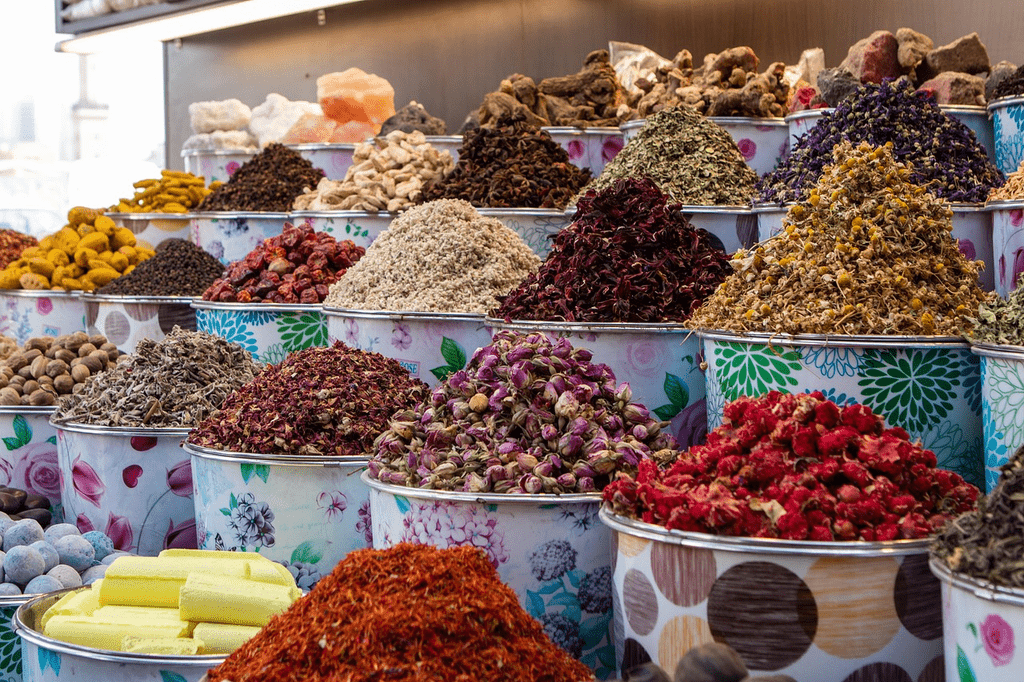
The Dubai shopping guide should have the glittery, as well as vintage part of the city.
Deira’s Gold Souk and Spice Souk are the classic market experience, whereas Dubai Mall and Mall of the Emirates is the Dubai’s modern retail culture.
Another popular place for more budgeted shopping is Karama.
Bargaining occurs more often in traditional markets than in malls with fixed prices. There’s a handy little word for when you don’t know how much, a friendly bi kam? which means “how much?”
However, don’t do full negotiator mode, because it isn’t necessary. A smile, a bit of patience, and a lot of humour generally will do the trick.
Budget Tips for Dubai
A practical Dubai budget travel guide does not mean skipping every big-ticket experience. It simply means deciding where the money is worth spending.
- Take the Metro on appropriate journeys rather than get in a taxi for all journeys.
- Combine paid activities with free or low cost activities like beaches, Old Dubai and neighbourhood walks.
- Instead of eating at hotel restaurants throughout the trip, eat at local restaurants for some meals.
- Check out the attractions before purchasing attraction bundles or packages.
- If the weather allows for the activities, think about travelling in the shoulder season. .
Dubai can certainly be expensive, but it does not have to be expensive at every turn. A little planning can leave room for both the bucket-list attractions and those random little discoveries that often become the favourite memories.
The other cost to be aware of is the Tourism Dirham, which is charged by Dubai hotels and other tourist accommodation in Dubai. The quantity is based on the type of accommodation.
Safety, Culture and Etiquette
Dubai is a safe place to visit, but it is important to be aware of the laws and customs of the region.
- Avoid public displays of affection.
- Drink alcohol only in an area where it is legal.
- Please ask before taking photographs of people.
- Show special sensitivity to religious and cultural locations.
- Eating, drinking and public conduct during Ramadan: abide by local advice.
If you’re unsure about what to wear in Dubai, dress for the occasion. The swimwear is for beaches, pools and water parks while more conservative clothing is for traditional areas, religious and cultural settings.
Women who enter mosques could be required to cover their heads and wear an abaya. There are some mosques that give suitable clothes for visitors.
Dubai Travel Tips for First-Time Visitors
A few practical details are worth keeping handy:
- S’hail: Helpful for seeing the public transport routes and connections.
- Nol card: Ensure it is topped up for regular use of Metro, buses and trams.
- Digital documents: Store copies of your passport, visa and bookings somewhere that is accessible.
- Comfortable footwear: You may end up walking more than you originally planned for sightseeing.
- Light layer: Air-conditioned shopping malls, museums and restaurants can be surprisingly cool.
Final Thoughts: Is Dubai Worth the Hype?
Dubai can be made easy into skyscrapers, shopping malls and luxury hotels.
Continue to be curious, however, and another city emerges.
Next to futuristic towers are spice-filled souks, wooden abras crossing the Creek, desert landscapes outside of the city, mountain adventures in Hatta and wetlands where flamingos gather. There are also the quieter moments: a cup of karak after sauntering around Old Dubai, a sun setting over the dunes, or an evening stroll by the water, as the lights start to twinkle on the skyscrapers.
It’s often the moments that tell the story, rather than a checklist.
Visit the Burj Khalifa but take time to visit the Creek. Take a desert tour, but take some time to observe what is going on around you. Enjoy an afternoon in a shopping center, and then visit the neighbourhood café for karak. Occasionally go the way of scenic beauty. Why not?
There’s plenty of show in Dubai, but it’s the juxtaposition that makes the city interesting. A moment can be very modern, the next very old fashioned.
The real world part is easy: sort through the visa, select an appropriate season, select a neighborhood, and allow for some spontaneous exploration.
Then, as the locals say, yalla! Dubai is ready to be explored.
FAQs
1. What are some free things to do in Dubai?
Dubai has plenty of experiences that do not require an entry ticket. Visitors can spend time at public beaches, explore Al Fahidi Historical Neighbourhood, walk around the traditional souks, cross Dubai Creek by abra and enjoy parts of the city’s public spaces.
More ideas can be found in this guide to free things to do in Dubai.
2. What are some fun and inexpensive things to do in Dubai?
A Dubai trip does not have to revolve around expensive attractions. Public beaches, Old Dubai, neighbourhood food spots, souks and scenic walks can all be worked into a lower-cost itinerary.
This list of fun and inexpensive things to do in Dubai can provide additional ideas for keeping the trip budget-friendly.
3. What should tourists avoid doing in Dubai?
Visitors should be respectful of local laws and customs. Public displays of affection should be kept appropriate, alcohol should only be consumed where legally permitted, and people should be asked before being photographed. Extra care is advisable around religious and cultural sites, particularly with clothing and public behaviour.
This guide on what not to do when visiting Dubai can also help first-time visitors understand common concerns.
4. Where are the best places to visit in Dubai?
The best places to visit depend on the kind of experience planned. Downtown Dubai and Burj Khalifa suit first-time sightseeing, Old Dubai offers a look at the city’s heritage, Palm Jumeirah and JBR provide waterfront experiences, while the desert, Hatta and Ras Al Khor offer a different side of Dubai.
For more ideas, explore this discussion on places to visit when travelling to Dubai.
5. Is Dubai expensive for tourists?
Dubai can be expensive, particularly for luxury hotels, premium dining and major attractions, but a trip can also be planned around more affordable experiences. Public beaches, Old Dubai, local restaurants, public transport and free attractions can help keep daily spending under control.
6. What is the best time to visit Dubai?
The cooler months from November to March are generally preferred for outdoor sightseeing, desert experiences and beach activities.
April, May, September and October can also work for travellers who plan activities around the warmer parts of the day. Summer is considerably hotter, making indoor attractions more practical.
7. What should tourists wear in Dubai?
Swimwear is suitable at beaches, pools and water parks, while more modest clothing is appropriate in malls, traditional neighbourhoods and cultural or religious sites. Visitors entering mosques may also need to follow specific dress requirements.
8. Is Dubai suitable for a four-day trip?
Yes. Four days can cover major highlights such as Downtown Dubai, Old Dubai, a desert experience, Palm Jumeirah, JBR and Bluewaters. Travellers with more time can add Hatta, Al Qudra Lakes, Ras Al Khor Wildlife Sanctuary or additional beach and cultural experiences.
9. Do Indian citizens need a visa for Dubai?
Visa requirements for Indian citizens depend on eligibility and individual circumstances. Some Indian passport holders may qualify for visa-on-arrival facilities under specific conditions, while others need to obtain a tourist visa before travelling.
Requirements can change, so the latest information should always be checked with the relevant UAE immigration authority before booking.
10. Is Dubai good for nature and outdoor experiences?
Beyond its skyscrapers and shopping malls, Dubai has desert landscapes, beaches, wetlands, lakes and access to the Hajar Mountains around Hatta.
Al Qudra Lakes, Dubai Desert Conservation Reserve and Ras Al Khor Wildlife Sanctuary offer particularly different experiences from central Dubai.