8 Best Places to See Northern Lights Around the World (2026 Guide)
Discover the best places to see northern lights, the best time to see the northern lights and expert tips to plan an unforgettable aurora adventure.
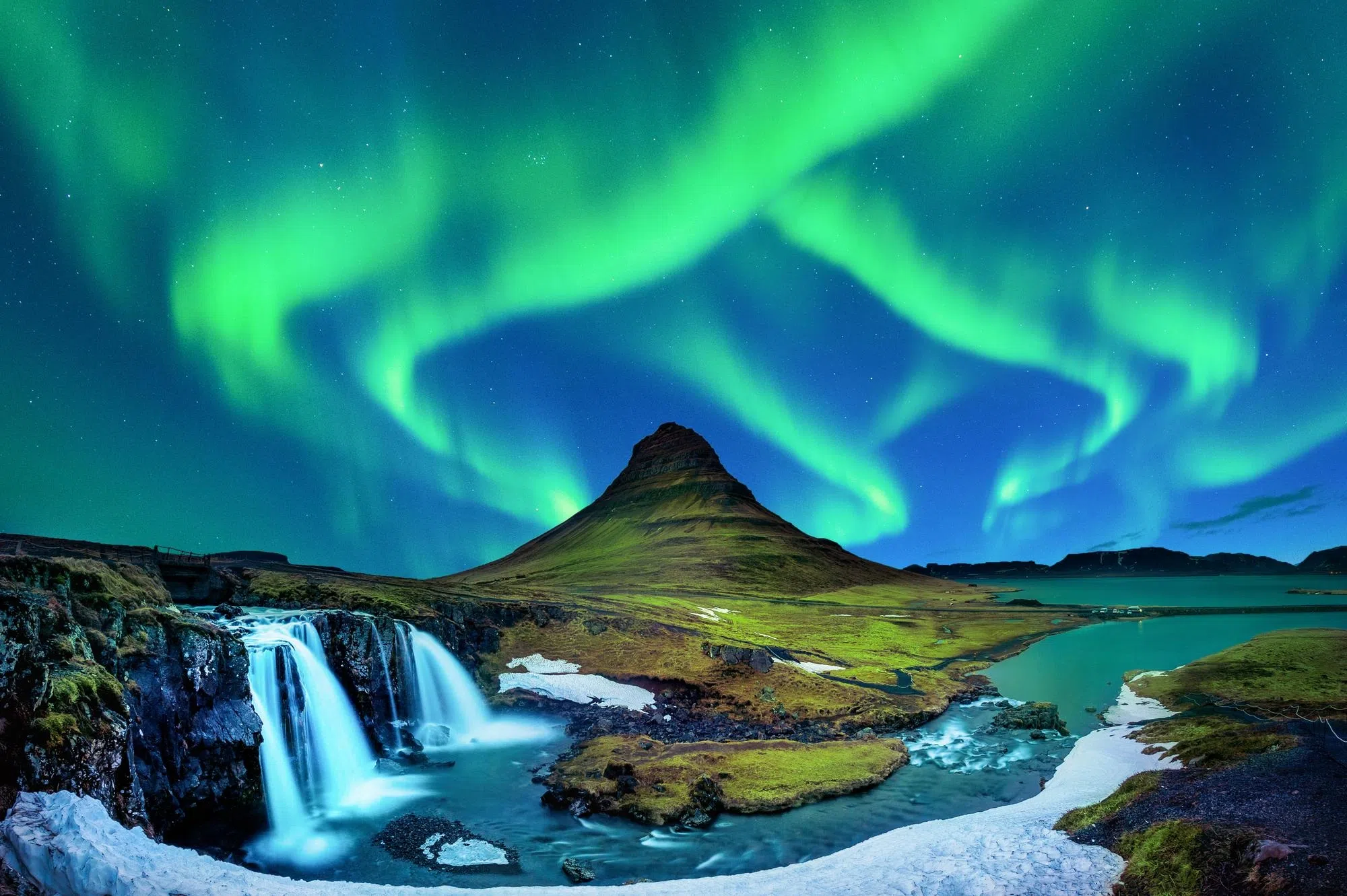
Almost everyone has seen photographs of the Northern Lights. Bright green ribbons stretching across the sky. Snow-covered mountains beneath them. Small cabins glowing in the distance. The real experience is a little different. If you're planning a trip to see the northern lights, choosing the right destination can make all the difference. Some places have darker skies, some enjoy more stable weather, while a few offer both. This guide covers eight of the best places to see northern lights, along with the best time to see the northern lights and what makes each destination special.
It usually begins with checking the weather forecast one last time, putting on an extra layer and standing outside longer than expected. Sometimes the lights appear within minutes. Sometimes they don't appear at all. That's part of the experience.
The 8 Best Places to See Northern Lights
Tromsø, Norway
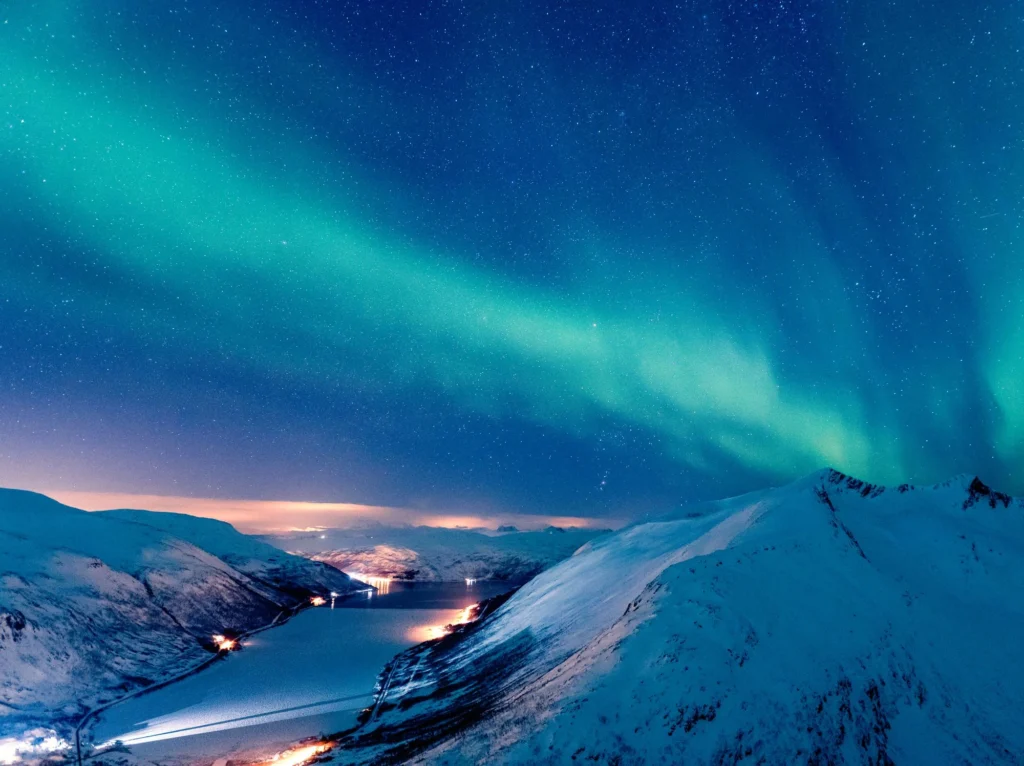
If there's one destination that appears on almost every aurora bucket list, it's Tromsø.
Located above the Arctic Circle, this Norwegian city combines reliable Northern Lights activity with lively cafés, scenic fjords and experienced local guides. During winter, many tours leave the city each evening in search of clearer skies, giving travellers a much better chance of seeing the aurora. It's one of those destinations that works equally well for first-time visitors and seasoned Arctic travellers. Norway is definitely one of the best places to see northern lights.
Best Time to Visit: September to March.
Worth Seeing: Fjellheisen Cable Car, Arctic Cathedral and guided Northern Lights tours.
Quick Tip: Stay for at least three nights to improve your chances if the weather changes.
Abisko, Sweden
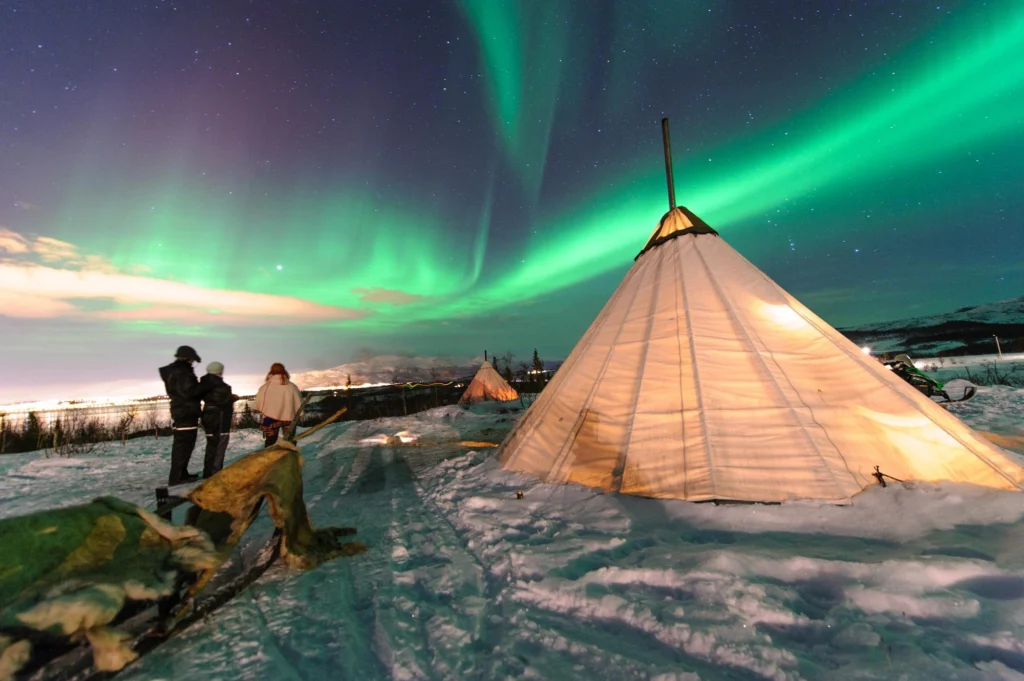
Clouds are often the biggest challenge when searching for the aurora. That's exactly why Abisko has become so popular. If you are planning for Sweden then do check out blog about festivals in Europe so that you can plan your entire euro trip.
Thanks to a weather phenomenon known as the Blue Hole, this part of northern Sweden regularly enjoys clearer skies than nearby regions. Combined with almost no light pollution, it offers some of the most reliable viewing conditions in Europe. If you're comparing Northern Lights destinations, Abisko deserves a place near the top of the list.
When to Go: November to March.
Don't Miss: Aurora Sky Station and Abisko National Park.
Good to Know: The chairlift to Aurora Sky Station provides one of Sweden's best panoramic viewpoints for aurora watching.
Rovaniemi, Finland
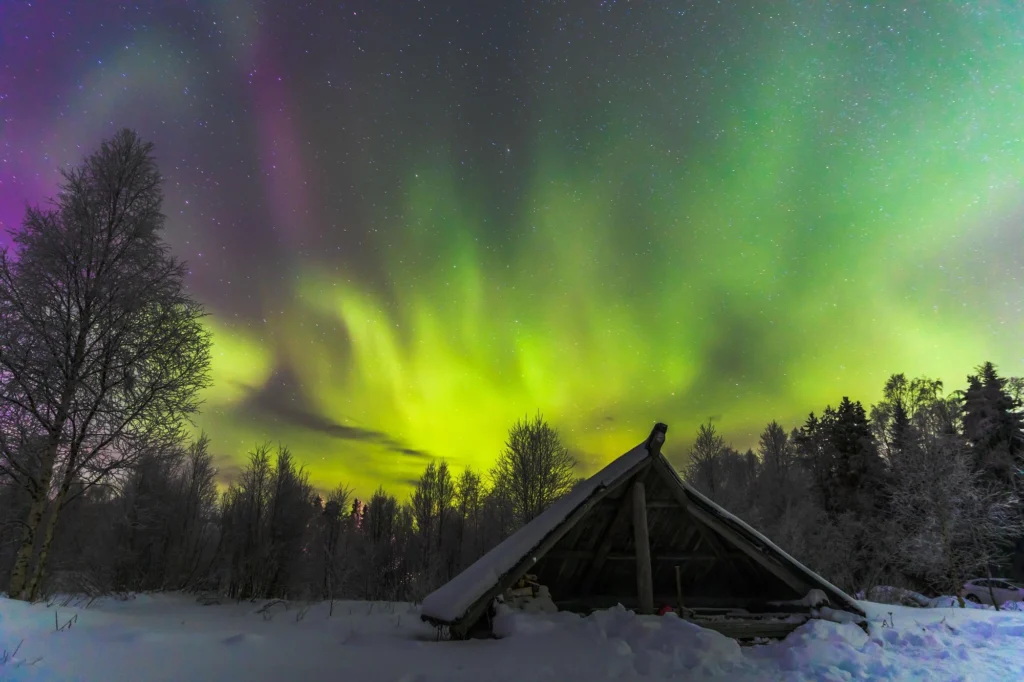
Most people arrive in Rovaniemi expecting Santa Claus Village. The Northern Lights quickly become another reason to stay.
Rovaniemi combines Arctic adventures with comfortable accommodation, making it one of Finland's most accessible winter destinations. During the day, travellers can enjoy husky rides, reindeer farms and snowmobile safaris. Once darkness falls, many head outside hoping to catch the aurora above the snowy forests of Lapland.
Best Season: September to March.
Highlights: Santa Claus Village, glass igloos and husky safaris.
Travel Tip: Glass igloos are popular during winter, so it's worth booking well in advance.
Reykjavík & Thingvellir, Iceland
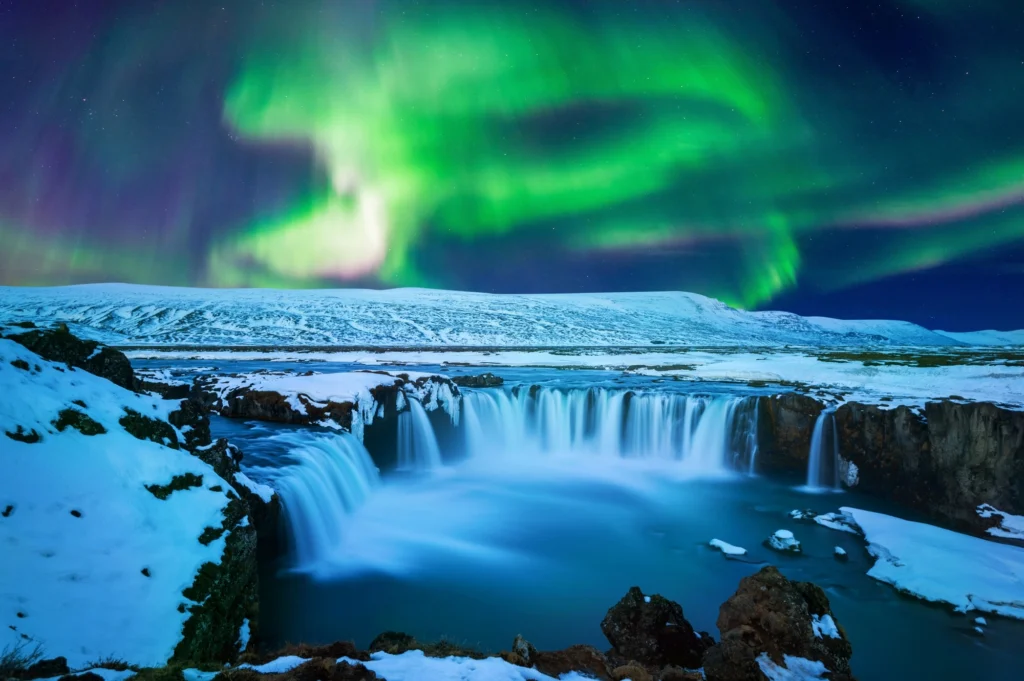
Few places combine sightseeing and aurora hunting as naturally as Iceland.
Waterfalls, glaciers, volcanic landscapes and black sand beaches fill the daytime itinerary. Evenings are reserved for darker skies, with Thingvellir National Park being one of the country's favourite viewing spots. Reykjavík makes a convenient base, especially for travellers planning a road trip around southern Iceland. It's easily one of the best places to see northern lights while experiencing much more than the aurora itself.
Best Time to Visit: Late September to March.
Worth Exploring: Thingvellir National Park, the Golden Circle and Seljalandsfoss.
Quick Tip: Hiring a car makes it easier to drive towards clearer skies if cloud cover changes.
Yellowknife, Canada
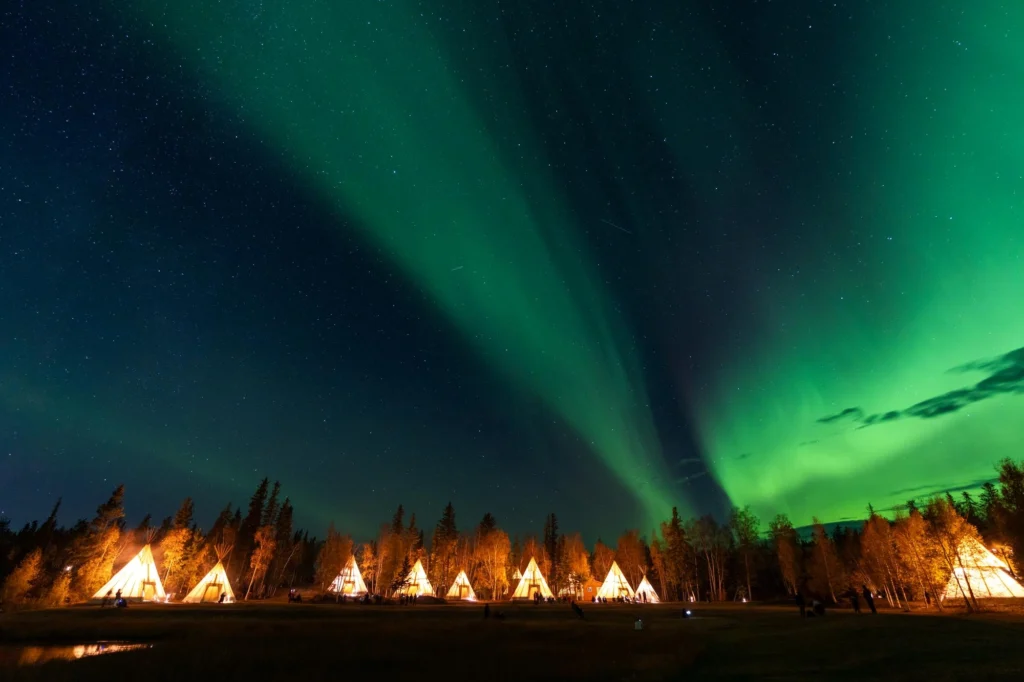
If seeing the aurora is your main goal, Yellowknife is one of the safest choices. The city sits directly beneath the auroral oval, which means Northern Lights activity is frequent throughout the season. Clear winter skies only improve the odds. Despite its reputation, Yellowknife feels surprisingly relaxed, and the viewing spots around frozen lakes create an unforgettable setting once darkness falls.
Best Time to Visit: Mid-August to April.
Worth Seeing: Aurora Village, frozen lakes and guided Northern Lights tours.
Quick Tip: Plan a stay of at least three nights to increase your chances of clear weather.
Fairbanks, Alaska
Fairbanks has become one of the most popular Northern Lights destinations in North America. The city offers a long aurora season, comfortable accommodation and several winter experiences beyond the lights themselves. Many visitors spend the day at Chena Hot Springs or exploring local museums before heading out after sunset. It makes the trip feel like a complete Arctic holiday rather than a single-night experience.
Best Time to Visit: Late August to April.
Highlights: Chena Hot Springs, Ice Museum and aurora tours.
Travel Tip: Driving a short distance outside the city usually gives you darker skies and better visibility.
Lofoten Islands, Norway
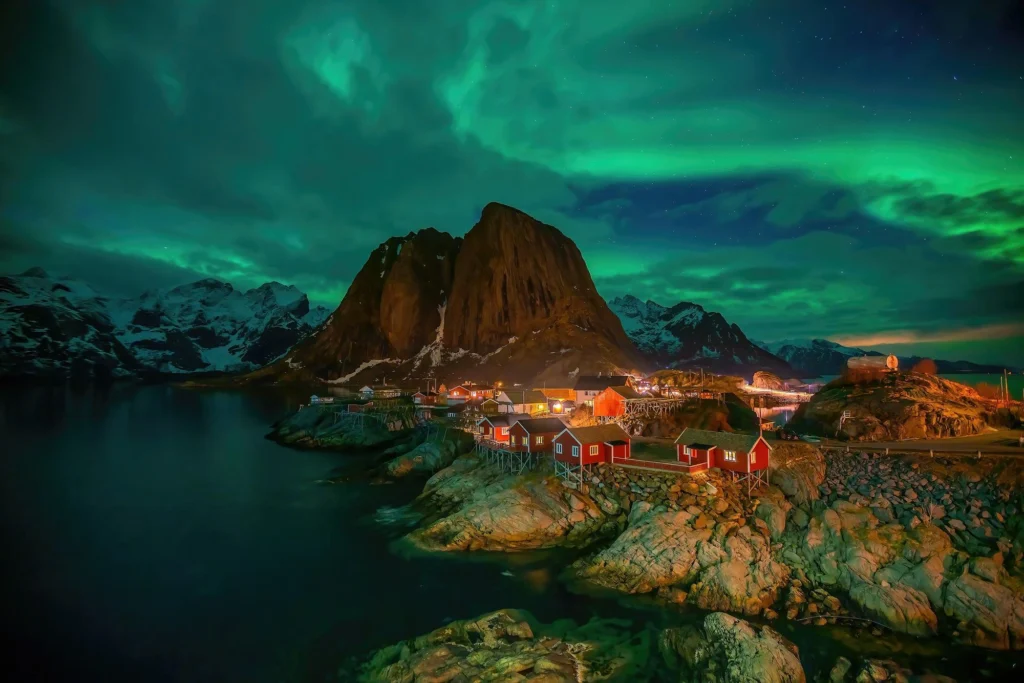
Lofoten is one of those places where the landscape steals the show even before the Northern Lights appear. Colourful fishing villages, dramatic peaks and quiet beaches create an incredible backdrop for aurora viewing. That's one reason photographers return here every winter. Even if the forecast doesn't work in your favour on the first evening, the scenery alone makes the journey worthwhile.
Best Season: September to March.
Don't Miss: Reine, Hamnøy and the Arctic coastline.
Good to Know: Carry a tripod if you want to photograph the aurora after sunset.
Saariselkä, Finland
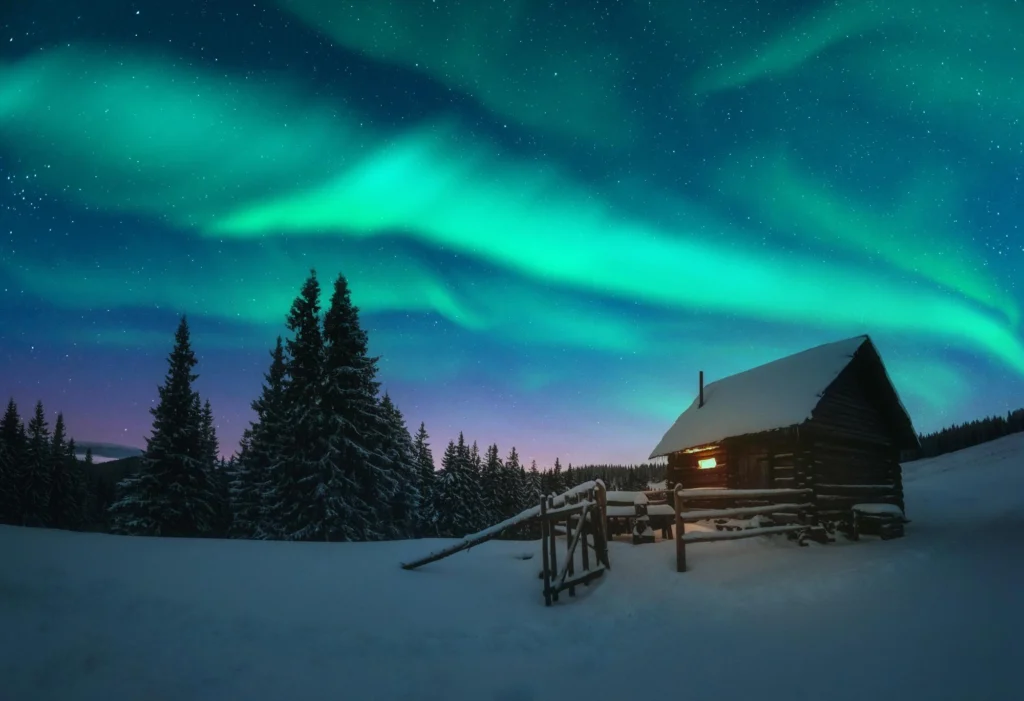
Saariselkä offers a quieter side of Finnish Lapland. Instead of busy streets, you'll find peaceful forests, cosy cabins and some of the region's most popular glass igloos. It's an excellent choice for couples and travellers looking for a slower pace. The surrounding wilderness has very little light pollution, making it one of Finland's most rewarding places to watch the Northern Lights.
Ideal Months: September to March.
Worth Exploring: Glass igloos, Urho Kekkonen National Park and reindeer experiences.
Travel Tip: Winter stays sell out quickly, especially during December and early January.
Before You Plan Your Aurora Trip
Choosing one of the best places to see northern lights is only the first step. A little planning can make a big difference.
Stay for at least three to five nights if possible. Weather conditions change quickly, and one cloudy evening doesn't mean you'll miss the entire experience.
The best time to see the northern lights is generally between late September and March, when Arctic nights are longest. Try to stay away from city lights, keep an eye on both the weather forecast and aurora forecast, and dress in warm layers. Most people spend much longer outside than they expect.
Final Thoughts
The Northern Lights are one of the few travel experiences that can't be guaranteed. Maybe that's exactly why they stay on so many bucket lists.
Every destination on this list offers something different. Tromsø is lively, Abisko is known for its clear skies, Iceland combines road trips with aurora viewing, while Canada and Alaska offer some of the most reliable conditions in North America.
If you're searching for the best places to see northern lights, start with the destination that matches your travel style and budget. With a little patience and the right timing, your trip to see the northern lights could become one of those journeys you'll remember for years.
For more travel inspiration and unique nature stays around the world, explore Solis Nature and discover destinations that go beyond the usual tourist trail.
FAQs
Which country is the best place to see aurora borealis?
Norway is widely regarded as the best place to see aurora borealis, especially Tromsø. Finland, Sweden, Iceland and Canada also offer excellent viewing opportunities.
What is the best time to see the northern lights?
The best time to see the northern lights is usually from late September to March, when nights are longest and darkest.
How many days should I plan for a trip to see the northern lights?
A stay of three to five nights is recommended, giving you multiple opportunities if the weather changes.
Can you see the Northern Lights without joining a tour?
Yes. Many travellers explore independently, although guided tours often improve your chances by taking you to darker locations with clearer skies.
Which are the best places to see northern lights for first-time travellers?
Tromsø, Rovaniemi, Reykjavík, Yellowknife and Fairbanks are among the best places to see northern lights for first-time visitors thanks to their accessibility and reliable aurora conditions.