15 Best Places to Visit in Monsoon for a Refreshing Escape in 2026
Discover the best places to visit in monsoon, from misty mountains and waterfalls to lush tropical escapes. Plan your perfect rainy-season getaway in 2026.
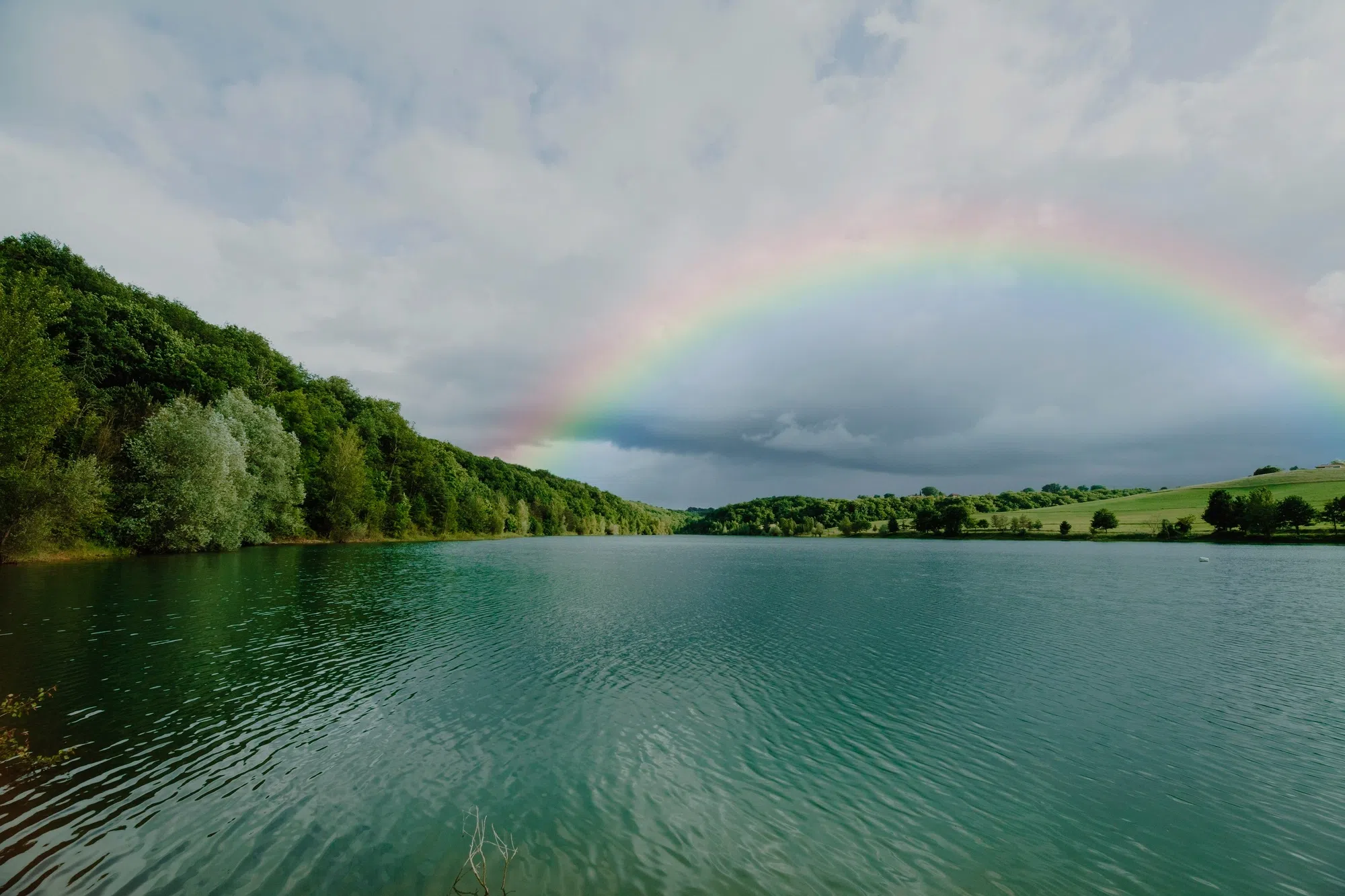
Two people check the same weather forecast. One decides to postpone the trip. The other starts packing. The difference usually comes down to the destination. That's why some of the best places to visit in monsoon aren't destinations that simply tolerate the rain. They're places that genuinely feel incomplete without it.
There are places where rain changes very little. Then there are places where it changes almost everything. Hills disappear beneath mist, waterfalls suddenly double in size, forests become brighter, and rivers return to life after weeks of dry weather.
If a rainy-season escape is on the cards this year, these destinations deserve a closer look.
15 Best Places to Visit in Monsoon
1. Munnar, India
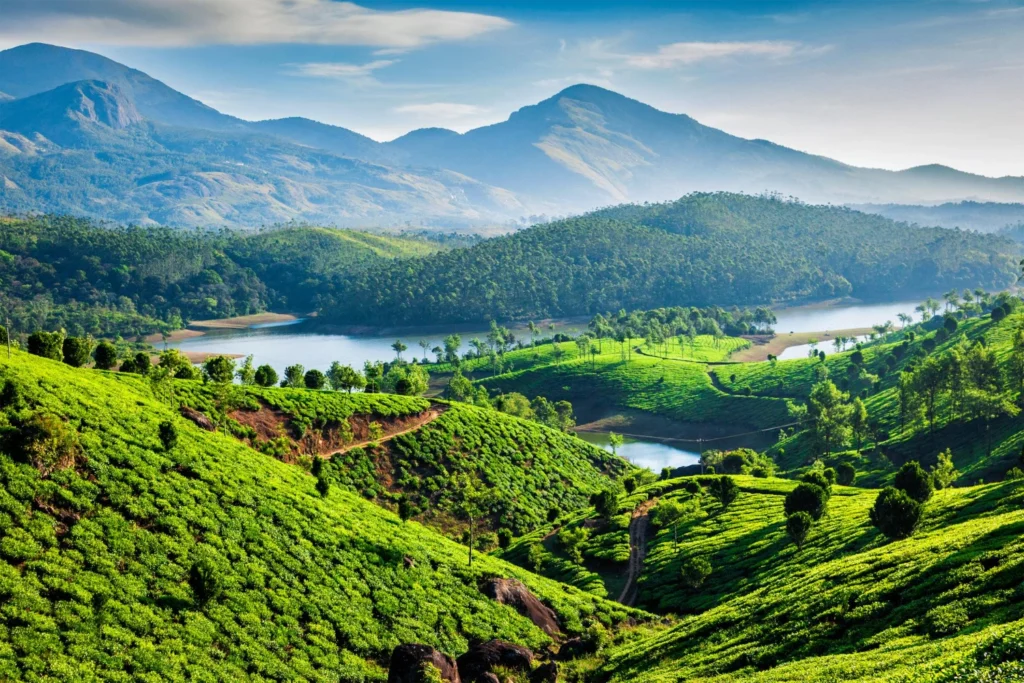
Ask someone who visited Munnar in July what they remember most. It usually isn't a particular viewpoint. It's the colour. We got stays in Munnar that got such viewpoints for you to enjoy.
Tea gardens stretch across the hills in every direction, and after a spell of rain, the entire landscape seems to become greener overnight. Mist moves in without much warning, covering one hill before revealing another a few minutes later. Munnar is by far the best places to visit in monsoon.
Nothing stays the same for long.
Best Time
June to September.
Don't Miss
- Eravikulam National Park
- Tea plantations
- Mattupetty Dam
- Tea Museum
Local Tip
The clearest views usually appear early in the morning before the clouds settle over the hills.
2. Coorg, India
The drive is part of the experience. Windows down if the rain isn't too heavy. Coffee estates appear between the trees, roadside waterfalls begin showing up where there were none a few weeks earlier, and the air feels noticeably cooler than nearby cities. Even short stops somehow turn into longer ones.
Coorg doesn't ask visitors to rush. Most don't.
When to Visit
July to September.
Worth Exploring
- Abbey Falls
- Raja's Seat
- Coffee plantations
- Dubare Elephant Camp
Good to Know
A waterproof jacket is usually more practical than carrying an umbrella on winding roads.
3. Valley of Flowers, India
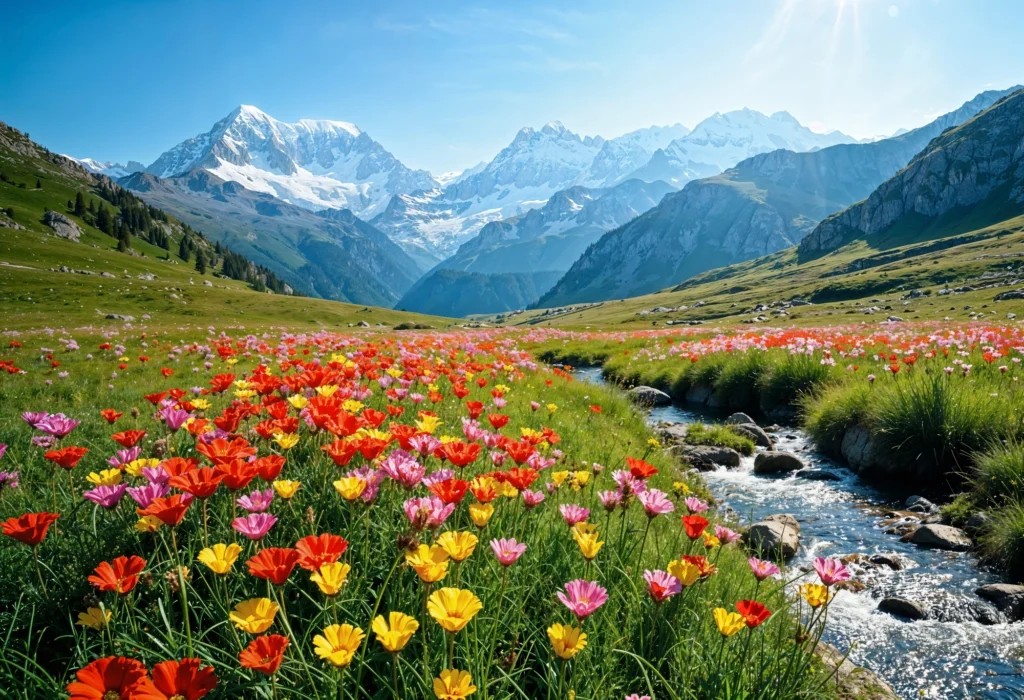
This isn't a destination that looks the same throughout the year. In fact, missing the season means missing the experience.
For a few weeks during the monsoon, the valley fills with thousands of blooming alpine flowers while surrounding mountains remain partly hidden behind drifting clouds. The walk feels different almost every hour as the weather shifts. It's one of the few places where timing really is everything.
Best Experienced In
July and August.
Highlights
- Valley of Flowers National Park
- Alpine blooms
- Himalayan landscapes
- Scenic trekking routes
Planning Note
Waterproof trekking shoes are worth bringing. The trail can stay wet throughout the day.
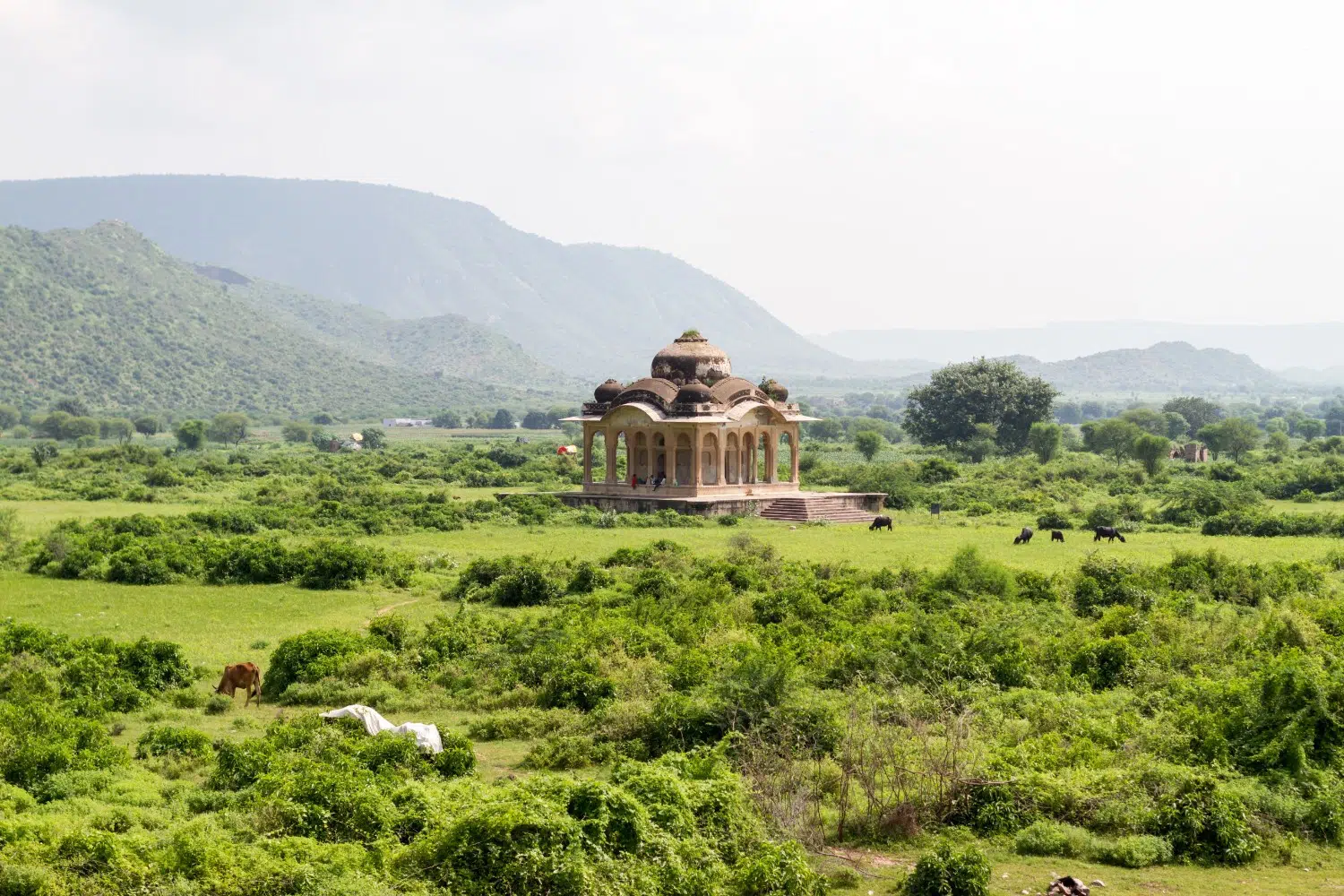
4. Udaipur, India
Mention Rajasthan and most people picture deserts. Rain changes that idea surprisingly quickly and you should definitely check out these stays in Udaipur for this kind of feeling. One should definitely add Udaipur in their list of places to visit in monsoon season.
The lakes begin to fill, the Aravalli Hills turn greener, and reflections across Lake Pichola become even more striking beneath cloudy skies. The city feels calmer too, especially after an afternoon shower. It's still Udaipur. Just with a softer mood.
Best Time to Visit
July to September.
Worth Seeing
- City Palace
- Lake Pichola
- Sajjangarh Palace
- Jag Mandir
Quick Tip
An evening boat ride often feels even more memorable after light rain.
5. Cherrapunji, India
Rain is part of everyday life here. Nobody seems particularly surprised by it. Visitors often are.
Clouds drift through valleys, waterfalls remain in full flow, and the famous Living Root Bridges somehow look even more impressive surrounded by dense greenery. Instead of interrupting travel, the weather becomes the attraction itself. There aren't many places quite like Cherrapunji.
Best Experienced During
June to September.
What You'll See
- Living Root Bridges
- Nohkalikai Falls
- Seven Sisters Falls
- Mawsmai Cave
Local Tip
Protect cameras and phones with waterproof covers. Sudden showers are common.
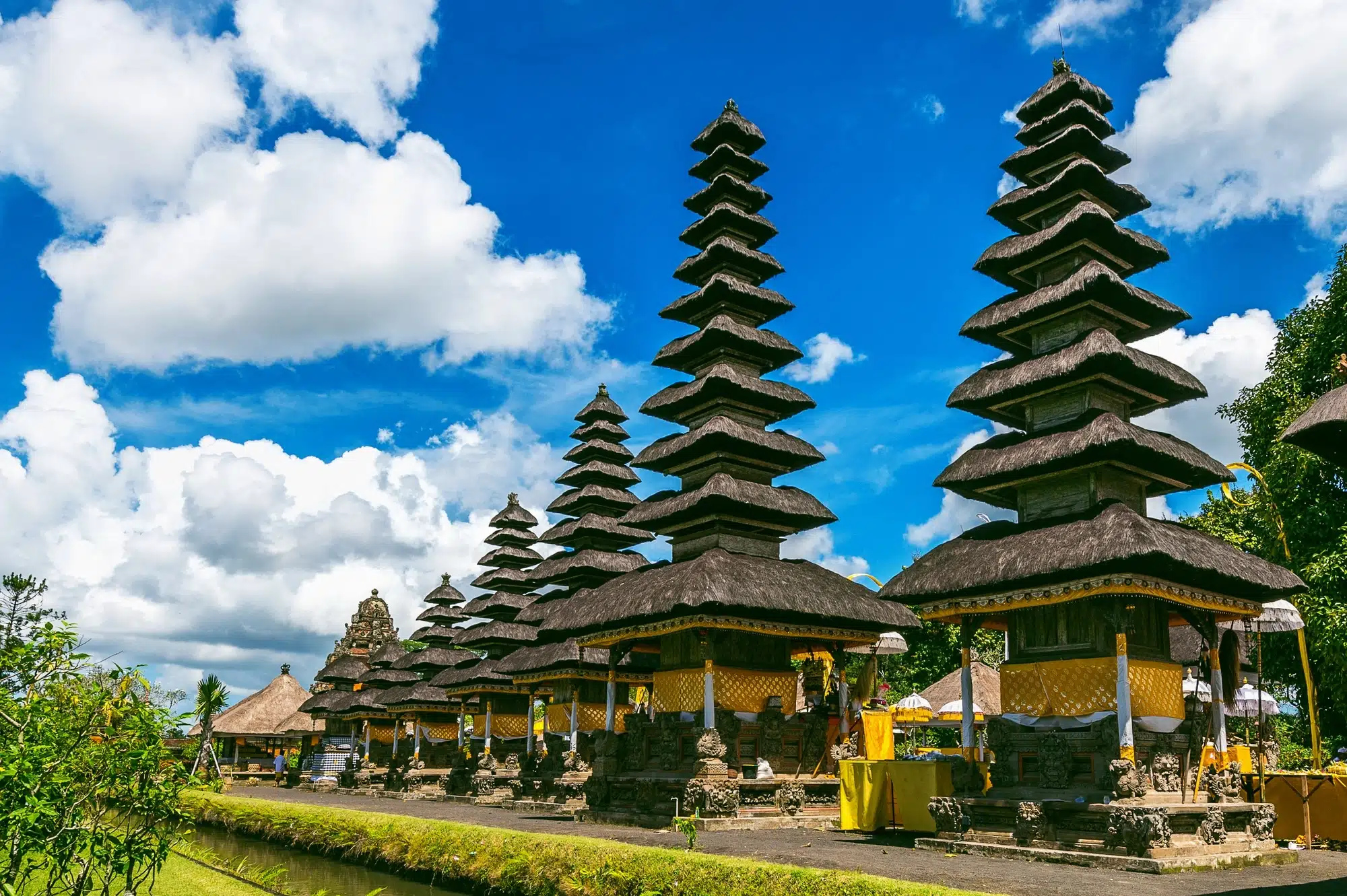
6. Bali, Indonesia
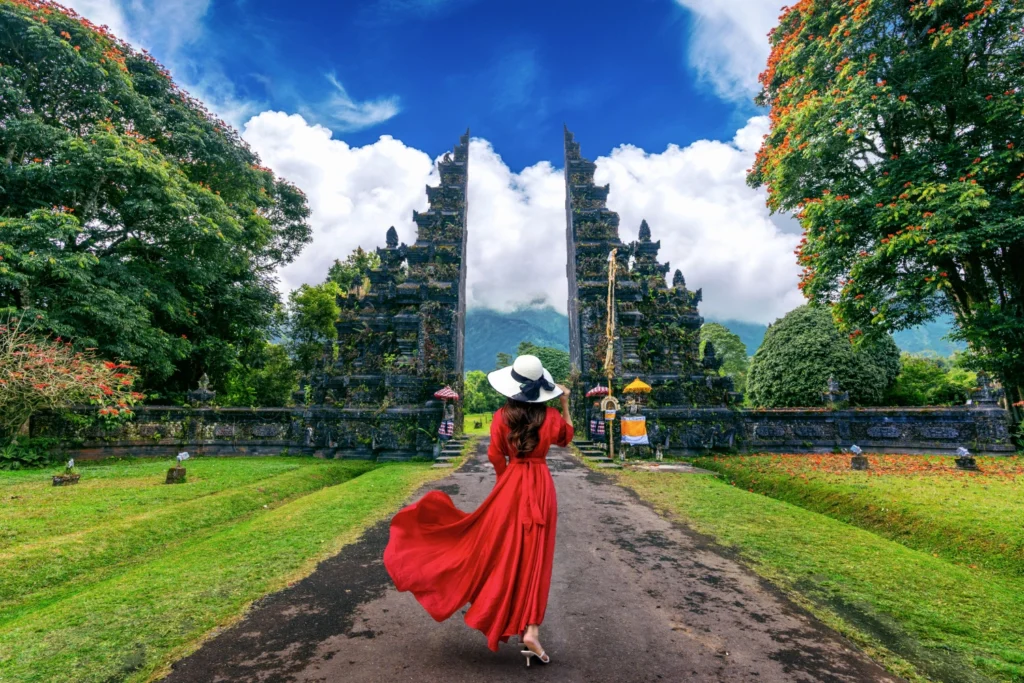
The first shower usually catches people by surprise. The second one doesn't. Before long, afternoons settle into a familiar rhythm. A burst of rain, cooler air, then clear skies again.
Meanwhile, rice terraces glow in brighter shades of green, waterfalls gather more force, and Ubud feels noticeably quieter than during peak season. The island slows down a little. Many travellers end up liking that version even more.
Best Time
November to March.
Don't Miss
- Tegallalang Rice Terraces
- Ubud
- Tegenungan Waterfall
- Sacred Monkey Forest
Good to Know
Heavy rain rarely lasts all day, so flexible plans usually work best.
7. Ella, Sri Lanka
The train slows as it approaches Ella. Most passengers stop looking at their phones. Tea plantations roll past the windows, clouds settle across the hills, and waterfalls appear unexpectedly between the trees. Even regular journeys somehow feel cinematic once the rain arrives.
Ella isn't trying to impress anyone. It just quietly does. Sri Lanka is a lottery for people looking for best places to visit in monsoon.
Best Time
July to September.
Worth Seeing
- Nine Arches Bridge
- Little Adam's Peak
- Ravana Falls
- Tea plantations
Planning Note
Book train tickets early if travelling from Kandy during peak months.
8. Sapa, Vietnam
Waiting for the clouds to move becomes part of the visit. Sometimes they do. Sometimes they don't. Either way, the landscape keeps changing.
Rice terraces brighten after rainfall, mountain villages appear and disappear behind drifting mist, and every viewpoint feels slightly different from the last one. That's part of what makes Sapa memorable. No two hours ever look exactly alike.
Best Experienced In
June to August.
Highlights
- Muong Hoa Valley
- Rice terraces
- Fansipan Mountain
- Cat Cat Village
Travel Note
Trails can become slippery after rain, so shoes with good grip make the walks far more enjoyable.
9. Kyoto, Japan
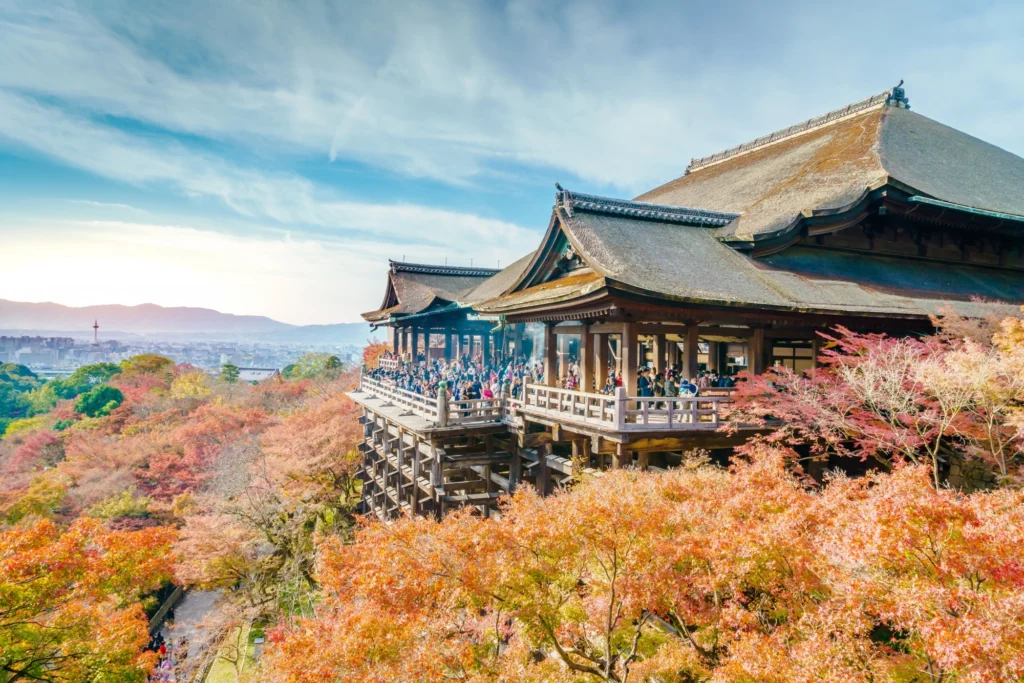
Ask anyone who's visited Kyoto during the rainy season what surprised them. It usually isn't the rain. It's how quiet the city feels.
Temple gardens look freshly washed, stone paths reflect soft morning light, and bamboo groves seem even more peaceful once the crowds thin out. Even familiar landmarks feel slower, almost as if the city is encouraging visitors to pause instead of rushing to the next attraction.
Best Time
June to early July.
Worth Exploring
- Arashiyama Bamboo Grove
- Fushimi Inari Shrine
- Kiyomizu-dera
- Gion District
Good to Know
A light rain often makes temple gardens even more beautiful for photography.
10. Lauterbrunnen, Switzerland
Wait five minutes. The view will probably change. Clouds roll across the cliffs, waterfalls appear through the mist, and mountain peaks disappear almost as quickly as they arrived.
It keeps happening throughout the day, which is exactly what makes Lauterbrunnen feel so different during the rainy season. The landscape never really settles. Here’s a list of the best stays in Lauterbrunnen to save a lot of your time.
Best Experienced In
June to August.
Don't Miss
- Staubbach Falls
- Trümmelbach Falls
- Mürren
- Wengen
Local Tip
Keep one flexible day in your itinerary because mountain weather changes quickly.
11. Plitvice Lakes National Park, Croatia
The first reaction is usually the same. The water really is that blue. Then people notice the waterfalls.
Boardwalks wind through forests, streams connect one lake to another, and after rainfall the sound of moving water seems to come from every direction. It's difficult to walk quickly here, mostly because there's always another viewpoint worth stopping for.
Best Time
May to September.
Highlights
- Sixteen interconnected lakes
- Waterfalls
- Wooden walkways
- Forest trails
Planning Note
The park is quieter during the first few hours after opening.
12. Madeira, Portugal
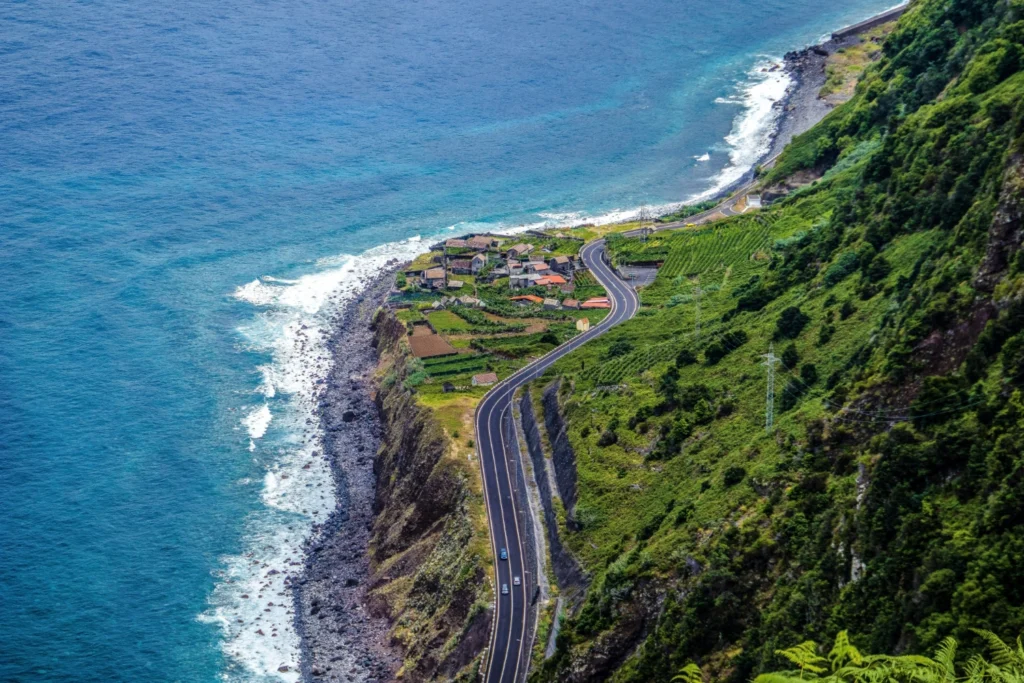
Madeira rarely looks the same for very long. The coast might be sunny. The mountains probably won't be.
That changing weather becomes part of everyday travel on the island. One road climbs into thick cloud while the next opens up to sweeping Atlantic views. Walking the famous levada trails feels even more rewarding when everything around them is bright green.
When to Visit
October to March.
Worth Seeing
- Levada walks
- Pico do Arieiro
- Cabo Girão Skywalk
- Funchal
Quick Tip
Carry an extra layer even on warm days. Mountain temperatures can change surprisingly fast.
13. Arenal, Costa Rica
The rainforest is never completely quiet. After the rain, it somehow becomes louder.
Birdsong returns almost immediately, waterfalls gather more strength, and the forests surrounding Arenal Volcano look impossibly green. Visitors often arrive hoping to see the volcano, then end up talking just as much about everything around it. That's easy to understand.
Best Experienced During
May to November.
Worth Experiencing
- Arenal Volcano
- La Fortuna Waterfall
- Hanging Bridges
- Natural hot springs
Local Insight
Mornings often offer the clearest volcano views before clouds begin to build.
14. Cameron Highlands, Malaysia
The tea is only part of the reason people come here. The weather helps too. Cool air replaces the tropical heat found elsewhere in Malaysia, while rolling plantations disappear into the mist before slowly coming back into view.
Small cafés become welcome stops whenever another shower passes through. Nobody seems in much of a hurry.
Best Time
May to September.
Highlights
- BOH Tea Plantation
- Mossy Forest
- Strawberry farms
- Local markets
Good to Know
Most rain showers are short enough that sightseeing can continue afterwards.
15. Jiuzhaigou Valley, China
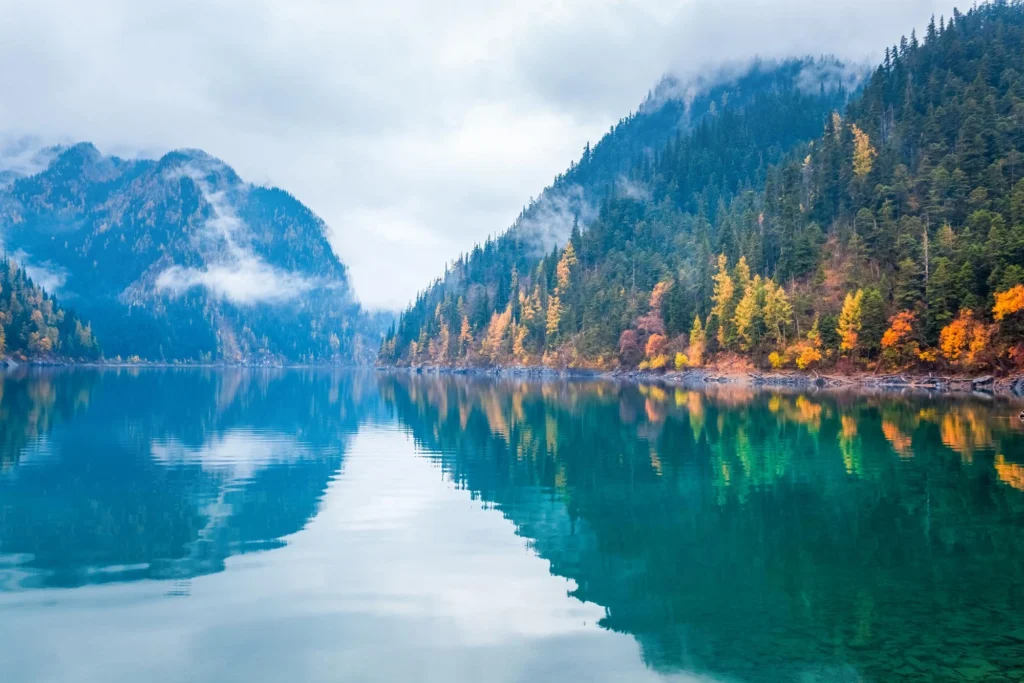
Photographs prepare people for the colours. They don't prepare them for the scale. Lakes stretch through wide valleys, waterfalls tumble over limestone terraces, and forests seem to change shades every time the weather shifts.
Rain deepens the colours instead of hiding them, making the scenery feel even more dramatic. Some landscapes don't need perfect sunshine. This is one of them.
Best Experienced In
July to September.
Don't Miss
- Five Flower Lake
- Nuorilang Waterfall
- Long Lake
- Scenic valley trails
Planning Note
Weather changes quickly throughout the day, so waterproof clothing is useful even if the morning begins with sunshine.
Final Thoughts
A lot of travellers spend weeks searching for sunny destinations. Fair enough. But not every memorable trip needs cloudless skies. Some places feel more alive once the rain arrives. Waterfalls become louder, forests grow greener, and familiar viewpoints look completely different from one hour to the next. That's exactly why these places to visit in monsoon continue to attract travellers year after year.
If this season is the only time available for a holiday, there's really no reason to stay home. Pick a destination where the rain adds to the journey instead of taking away from it. You might end up planning another monsoon trip sooner than expected.
Looking for more unique stays and nature-inspired escapes? Explore more destinations with Solis Nature and start planning your next adventure.
FAQs
Which are the best places to visit in monsoon?
Some of the best places to visit in monsoon include Munnar, Coorg, Valley of Flowers, Cherrapunji, Ella, Sapa, Lauterbrunnen and Bali.
Is the monsoon a good time to travel?
Yes. Many destinations become greener, waterfalls are at their fullest, and popular attractions are often less crowded than during peak tourist seasons.
Which countries are best for monsoon travel?
India, Sri Lanka, Vietnam, Indonesia, Japan, Costa Rica and Switzerland all offer excellent rainy-season experiences, depending on the region and time of year.
What should travellers pack for a monsoon trip?
Waterproof footwear, a lightweight rain jacket, quick-dry clothing, a backpack cover and waterproof pouches for electronics are all useful items.
Are monsoon destinations more affordable?
In many places, yes. Travelling during the rainy season can mean better hotel availability and lower prices compared to peak travel months.