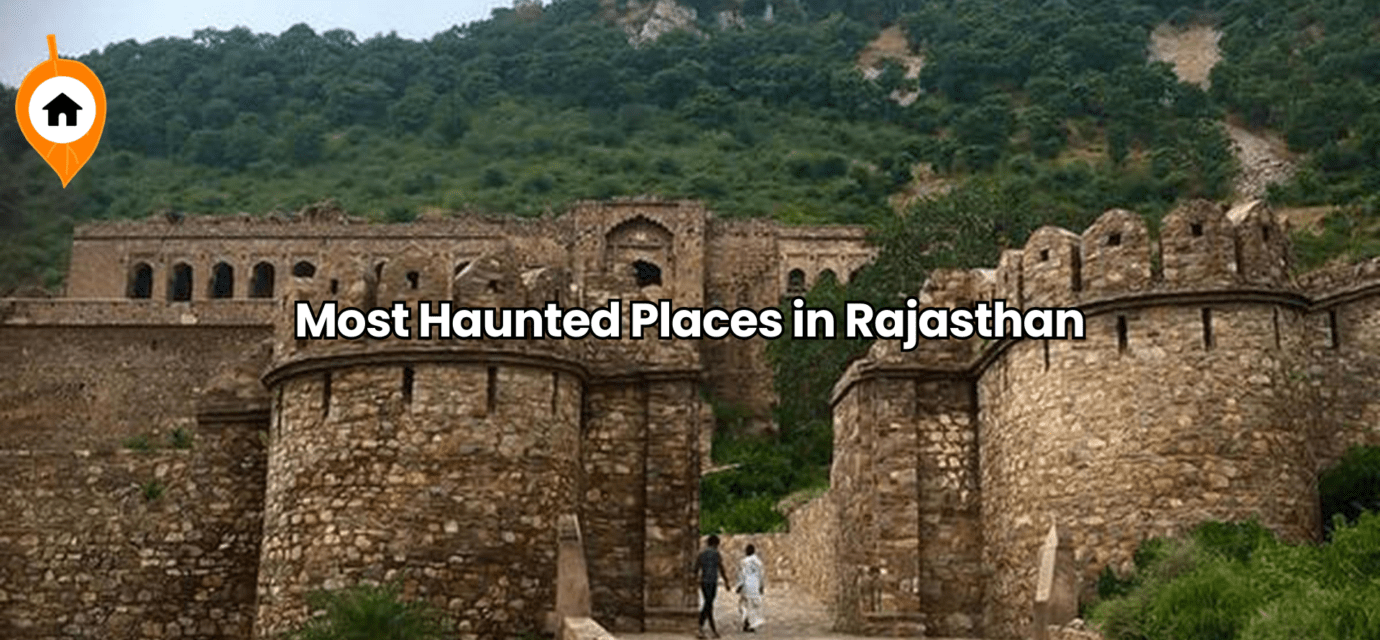
Rajasthan is famous for its forts, colours, and endless stretches of desert. But if you slow down and look closer, another side appears. You see it in empty courtyards, crumbling steps, and villages that were never rebuilt.
The haunted places in Rajasthan are not always frightening. Many feel quiet, still, and unresolved. Places like Bhangarh Fort and Kuldhara village draw visitors not because of fear, but because something about them refuses to settle.
Bhangarh Fort
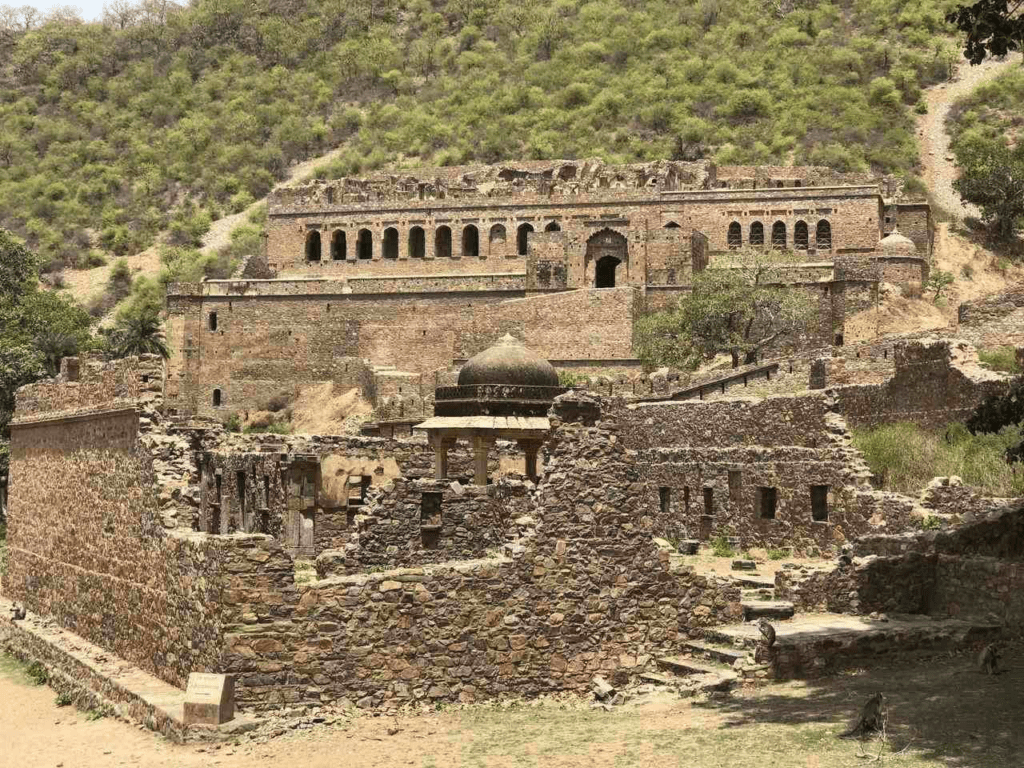
Bhangarh Fort sits between Jaipur and Alwar, surrounded by forested hills. It feels distant from everyday life.
Among all haunted places in Rajasthan, this is the one most people recognise. It’s also said to be one of Asia’s most haunted places, a reputation that travels far beyond the state.
Built in the early seventeenth century by Raja Madho Singh, Bhangarh was more than a fort. It had a whole town—homes, temples, markets, gardens. Life went on normally, then slowly, the town emptied. No one returned.
The most common story talks about a tantrik who tried to use magic on a royal princess. When it failed, a curse was said to fall on the town. Walking through Bhangarh feels strange. Not scary, just… paused.
- Stone pathways still lead somewhere, though no one follows them
- Buildings stand damaged but not erased
- Trees grow beside the ruins instead of overtaking them
- Silence hits when voices fade
Visitors cannot enter after sunset, and this rule adds to its image as a haunted fort in Rajasthan. Many say it doesn’t frighten them—it just feels incomplete.
Kuldhara Village
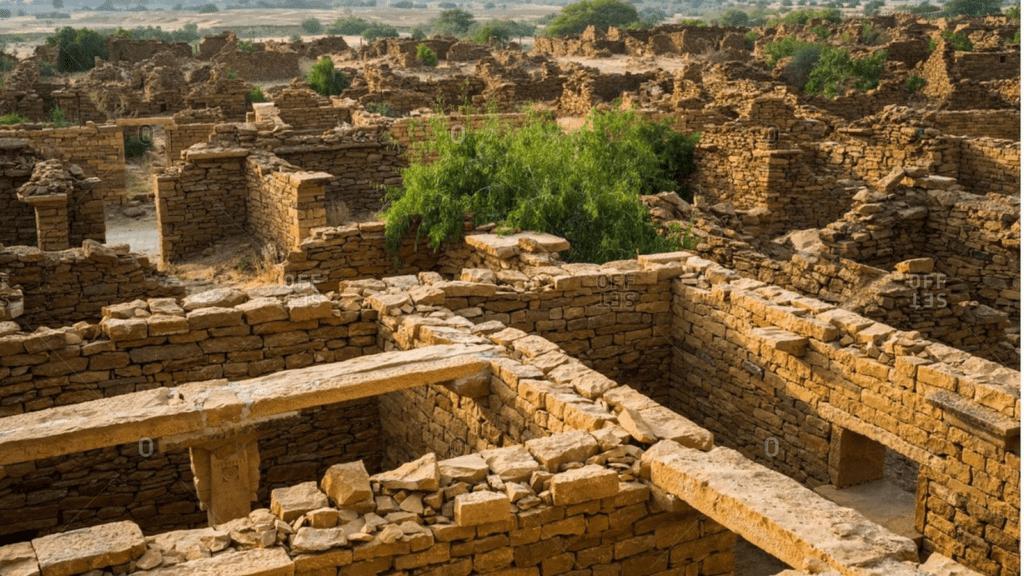
A little way from Jaisalmer lies Kuldhara village, one of the most discussed abandoned settlements. Known as a Jaisalmer haunted village, it doesn’t feel threatening. It feels carefully left behind.
The village was home to the Paliwal Brahmins, a disciplined and organised community. Legends say they left overnight to escape a powerful ruler and declared that no one should live there again.
What stands out is how orderly everything was abandoned.
- Homes still face one another across narrow lanes
- Wells remain open
- A central temple sits quietly
- No signs of violence or destruction
Even today, permanent settlement never returned. Kuldhara’s emptiness feels intentional, not forgotten.
Nahargarh Fort
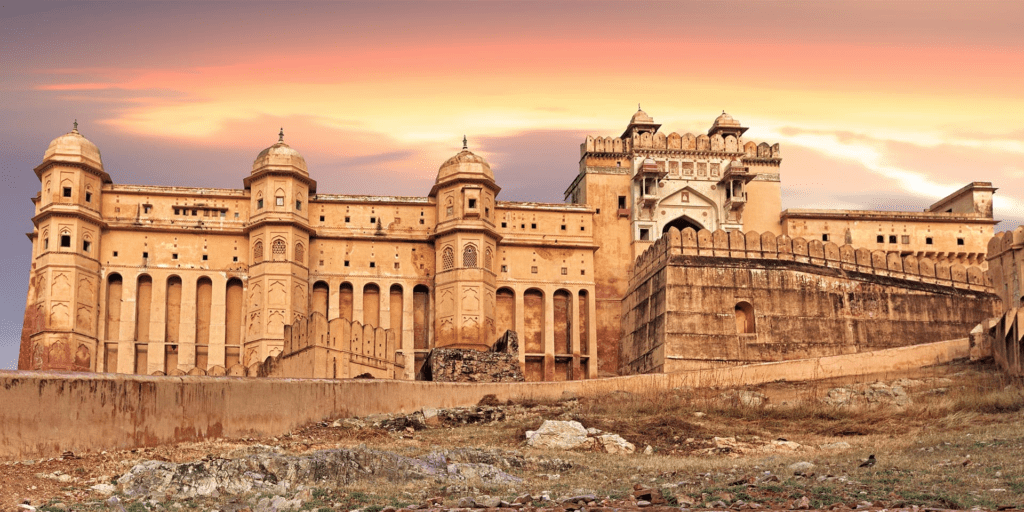
Nahargarh Fort overlooks Jaipur. During the day, it’s relaxed and familiar. But as evening falls, the air changes.
During construction, disruptions made workers believe the fort was disturbed. The spirit of Nahar Singh Bhomia was identified, and a shrine built. Construction went smoothly after that.
Visitors notice subtle things.
- Some rooms feel heavier than others
- Sudden drops in temperature
- Empty corridors feel… occupied
When talking about haunted places in Jaipur, Nahargarh often comes up more for the feeling than for sightings.
Rana Kumbha Palace
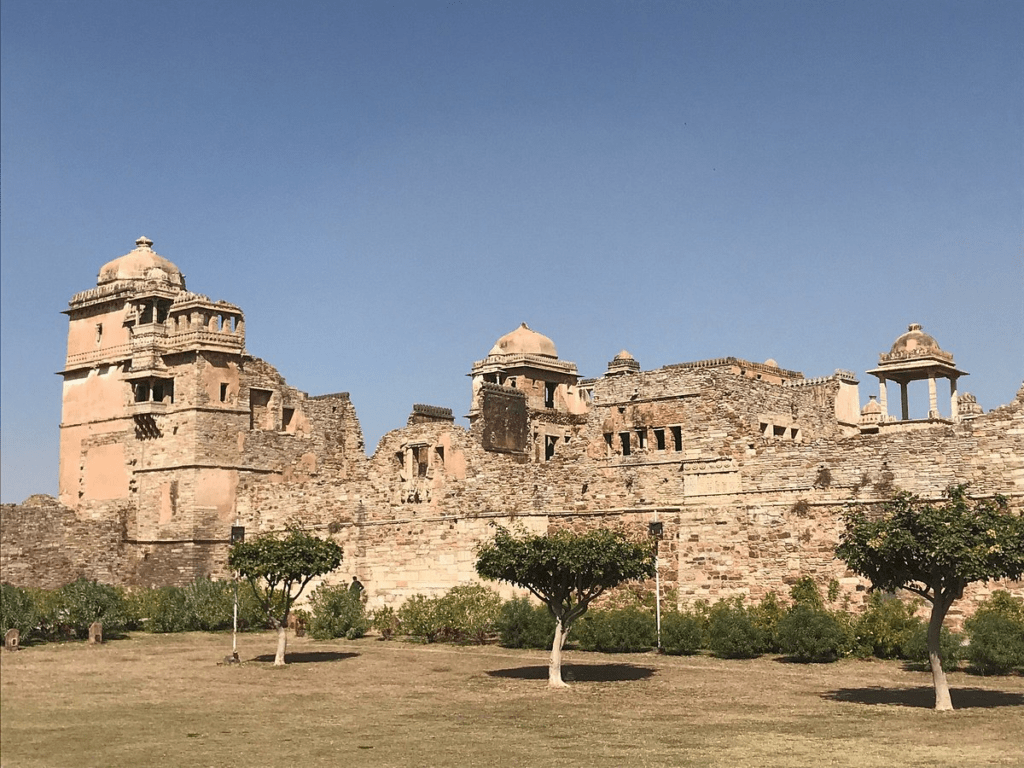
Inside Chittorgarh Fort, Rana Kumbha Palace has a history of repeated conflict. It saw invasions and acts of Jauhar, where women chose death over capture.
Today, the palace feels uneven and fragmented.
- Sounds echo strangely
- Wind carries voices that fade fast
- Some areas feel emotionally heavy
No single ghost story exists here. It feels shaped by collective loss. Among Rajasthan’s mysterious places, visitors often leave reflective, not uneasy.
Chand Baori
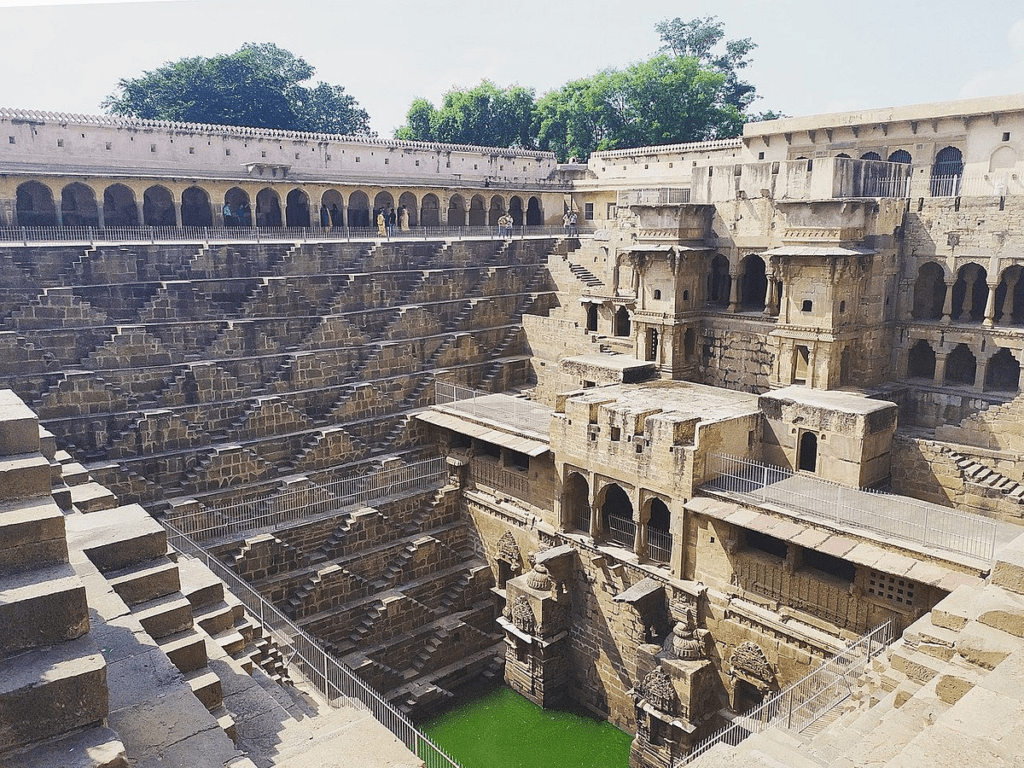
Chand Baori in Abhaneri is famous for its depth and symmetry. From above, it looks perfect. Going down changes that.
The stepwell goes thirteen levels deep. The deeper you go, the cooler the air, the quieter it gets.
- Steps seem endless
- Lower levels feel closed in
- Silence grows as you descend
No ghost haunts Chand Baori, yet it affects visitors deeply—physically and mentally.
Jagatpura
Jagatpura is now a busy residential area of Jaipur. Yet stories circulate quietly.
- Figures spotted late at night
- Vehicles stop for no reason
- A feeling of being watched
People share experiences on Are there any haunted places in Jaipur. Jagatpura proves that modern life has its own haunted stories.
Brij Raj Bhavan Palace
Brij Raj Bhavan Palace in Kota still functions as a palace. Staff report unexplained movement, but not scary—just strange.
- Footsteps late at night
- Doors open softly
- Calm, watchful presence
Among haunted forts in Rajasthan, it’s remembered for quiet observation rather than disturbance.
Sudhabay Near Pushkar
Sudhabay hosts a yearly spiritual healing gathering. People come feeling affected by unseen forces.
Outside this period, the area is calm.
- Rituals go on through the night
- Belief shapes the experience
- Emotional release is reported
Sudhabay stands apart from other mysterious places because it’s not about fear.
NH‑79 Near Dudu
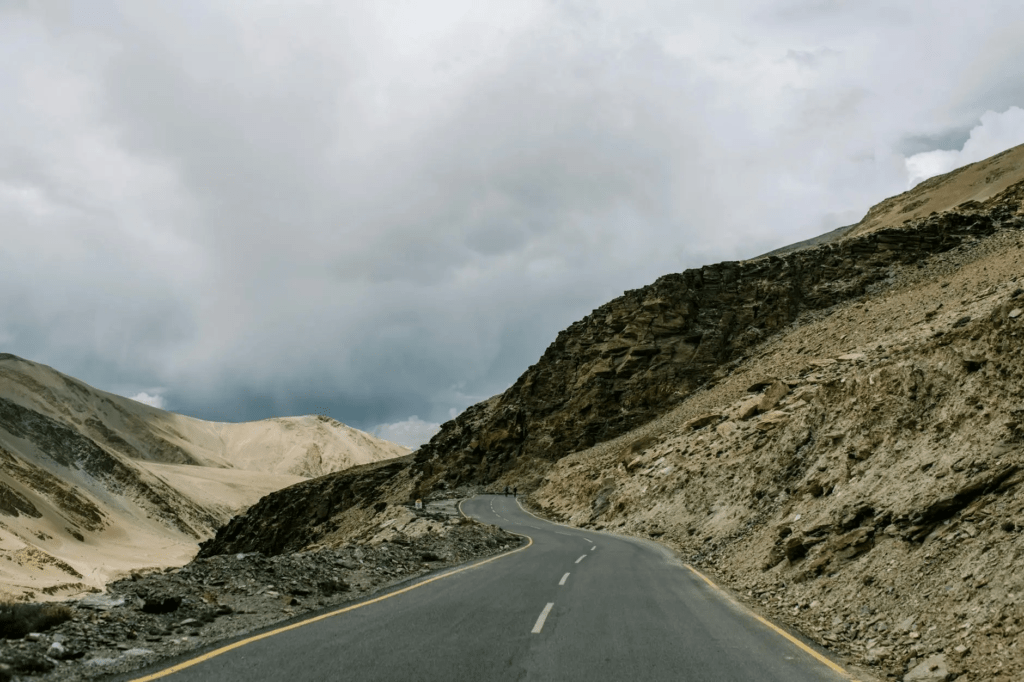
This part of NH‑79 near Dudu village feels normal in daylight but turns eerie at night. The most famous story involves a mother and her newborn. She fled to escape a forced child marriage, but tragically, both were killed in a vehicle accident.
Since then, travellers have reported strange experiences. Some see a woman in white with a child, others feel chills or the sense of being watched. Vehicle issues are occasionally reported.
- Sudden fear or panic while driving
- Apparitions appearing and vanishing quickly
- Unexplained vehicle problems
Stories like these are often shared in Which is the most haunted place in Rajasthan. NH‑79 is unique because the haunting moves with you.
Jal Mahal
Jal Mahal sits quietly in Man Sagar Lake. It’s visible but unreachable.
- Figures appear at dusk
- Reflections distort movement
- Silence dominates
Jal Mahal is rarely called haunted, yet its stillness earns a place among Rajasthan’s mysterious places.
Closing Thought
The haunted places in Rajasthan are not just about fear. From Bhangarh Fort, known across Asia for its stillness, to Kuldhara village, where emptiness feels deliberate, these sites show how memory settles into land. Many are near forests, deserts, and lakes, where history and nature overlap.
Explorers often slow their pace, choosing quieter paths and staying close to landscapes. This way of travelling fits naturally with platforms like Solis Nature, which list properties near natural settings. For those planning a wider trip, the Rajasthan Guide gives context on cities, regions, and routes.
Some places fade. Others remain exactly as they were left. Rajasthan holds both, quietly.
FAQs – Most Haunted Places in Rajasthan
1. Which are the most haunted places in Rajasthan?
Some of the most talked-about haunted places in Rajasthan include Bhangarh Fort, Kuldhara village near Jaisalmer, Nahargarh Fort in Jaipur, Rana Kumbha Palace in Chittorgarh, and the abandoned stretch of NH-79 near Dudu. These places are known for their history, abandonment, and long-standing local stories.
2. Why is Bhangarh Fort considered one of the most haunted places in Asia?
Bhangarh Fort is considered one of Asia’s most haunted places due to its sudden abandonment, strict entry restrictions after sunset, and centuries-old legends linked to curses and black magic. The complete absence of settlement around the fort adds to its reputation. People on reddit still talk about it in The curse of Bhangarh, India’s most haunted fort.
3. Is it safe to visit Bhangarh Fort during the day?
Yes, Bhangarh Fort is open to visitors during daylight hours and is regularly visited by tourists. Entry after sunset is restricted by authorities, and visitors are advised to follow official guidelines while exploring the area.
4. What makes Kuldhara village a haunted place?
Kuldhara village is believed to have been abandoned overnight by its residents centuries ago. The absence of damage, the orderly layout, and the fact that no permanent settlement returned have contributed to its reputation as a haunted village in Rajasthan.
5. Are haunted places in Rajasthan actually dangerous?
Most haunted places in Rajasthan are not dangerous. They are historical or abandoned sites where stories have grown over time. Visitors generally report a quiet or reflective atmosphere rather than physical danger.
6. Are there haunted places in Jaipur besides forts?
Yes, apart from forts like Nahargarh, areas such as Jagatpura are often mentioned in local stories. These accounts usually come from residents and commuters rather than historical records.
7. Can haunted places in Rajasthan be visited as part of a regular trip?
Yes, many haunted places in Rajasthan are located near popular tourist routes and can be visited alongside forts, temples, and natural landscapes. Most travellers include them out of curiosity rather than fear.
8. Why do haunted places in Rajasthan feel different from typical tourist spots?
These places often feel different because they are quiet, abandoned, or unchanged for long periods. The lack of crowds and visible daily life creates a sense of stillness that many visitors notice immediately.