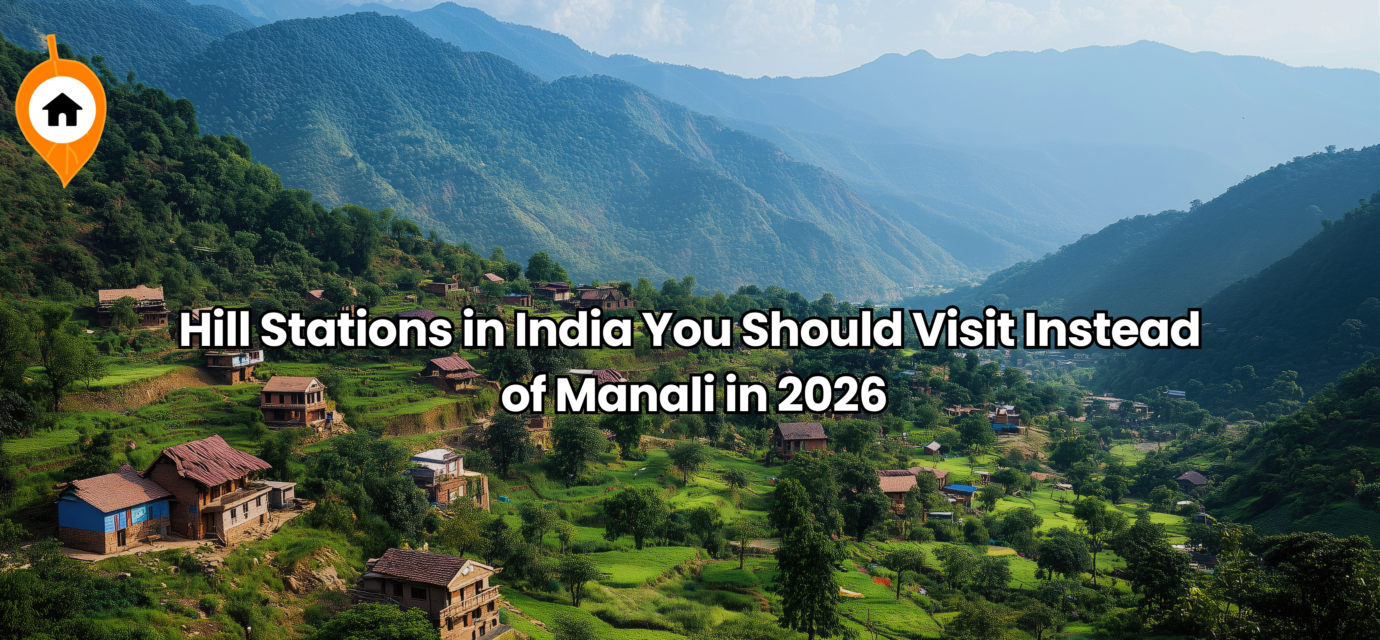
Manali used to feel like an easy escape. You’d pack a bag, head into the mountains, and somewhere along the way, things would slow down. That version still exists… but not always in Manali anymore. That’s why more travellers are now looking at other hill stations in India. Not necessarily bigger or more famous places, but quieter ones. The kind where mornings feel slower, and evenings don’t need a plan.
Over the last few years, it has become louder, busier, a bit too crowded in parts. Cafés are full, roads get packed, and the quiet that people usually travel for starts slipping away.
If that’s the kind of trip you’re thinking about in 2026, these places might feel… better.
Why Travelers Are Looking Beyond Manali
It’s not that Manali isn’t beautiful anymore. It still is. But the experience has changed. And that’s what people notice.
- Too many tourists during peak months
- Traffic becoming part of the trip
- Commercial spaces replacing local charm
- Less room to just… pause
So naturally, the shift is happening. Towards places that still feel a little untouched. Not completely hidden, but not overwhelmed either.
Hill Stations in India That Feel Better Than Manali
Not “better” in a competitive way. Just… quieter, more balanced, easier to be in.
Jibhi, Himachal Pradesh
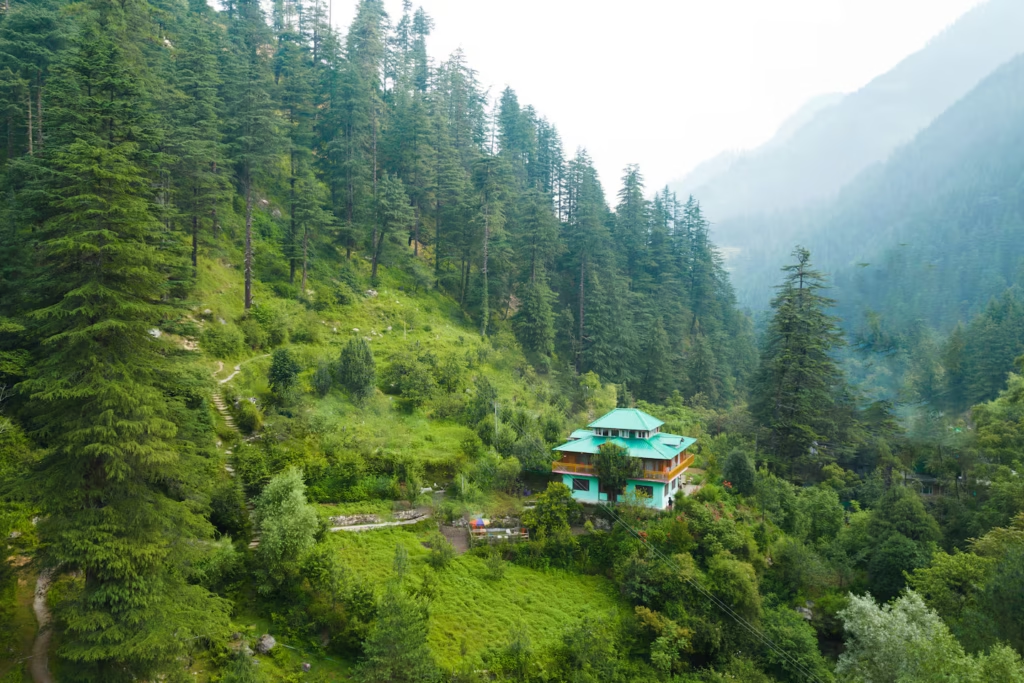
Jibhi doesn’t try to impress you. You reach, and it just sits there. Wooden houses, narrow paths, a river flowing somewhere close by. Nothing feels forced. And we got you slower mountain stays in Jibhi that will connect you to the beauty of Jibhi.
What to do:
- Walk to Jalori Pass
- Visit Serolsar Lake
- Spend time by the river
Best time to visit:
March to June, October to November
Tirthan Valley, Himachal Pradesh
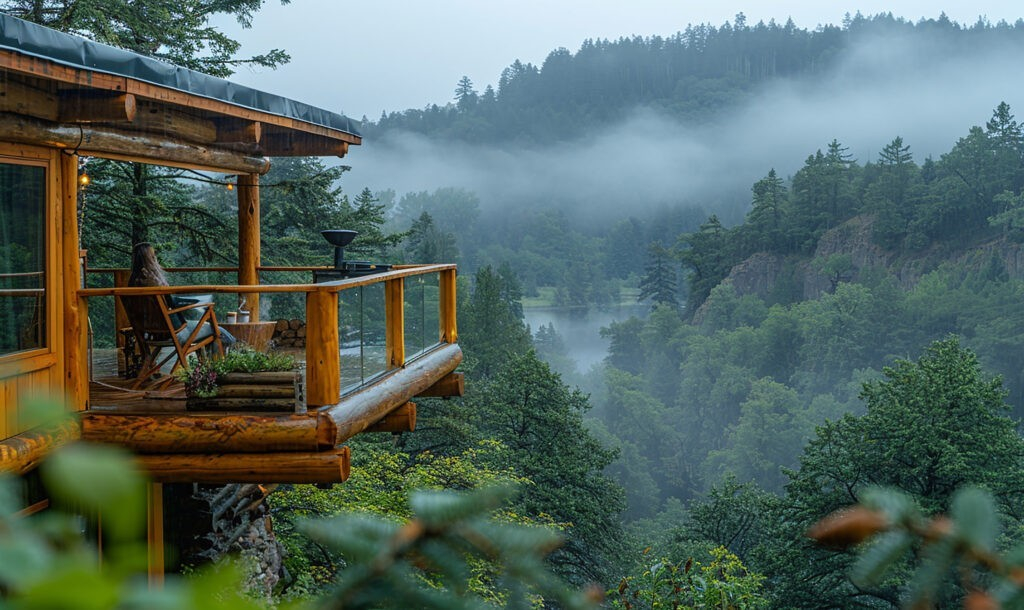
Close to Jibhi, but even quieter.
Tirthan feels more spread out. Less movement, more space. You don’t really “explore” it in the usual way. You just stay, walk, sit… and repeat.
What to do:
- Trout fishing
- Riverside walks
- Explore Great Himalayan National Park
Best time to visit:
March to June, September to November
Kalpa, Himachal Pradesh
The views here feel unreal at times. Especially when the Kinnaur Kailash range opens up in front of you. It’s not crowded, not commercial, just still.
What to do:
- Watch sunrise over the mountains
- Visit nearby villages
- Walk through apple orchards
Best time to visit:
April to June, September
Shoja, Himachal Pradesh
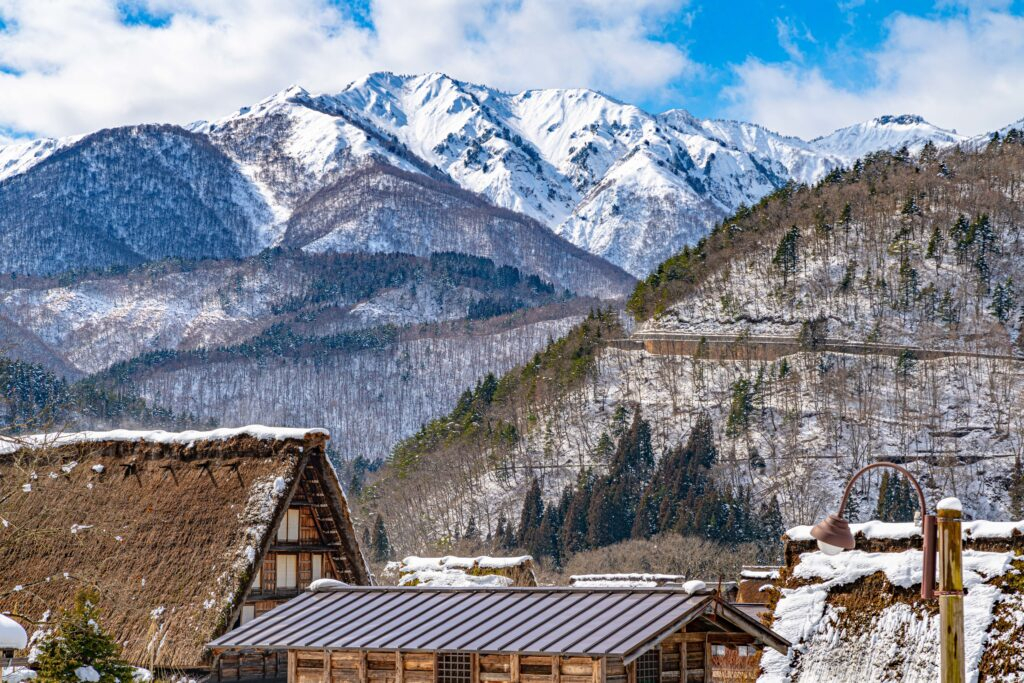
Small. Quiet. Often overlooked. Shoja sits between bigger places but somehow stays untouched. That’s what makes it special.
What to do:
- Short forest hikes
- Visit Jalori Pass nearby
- Do nothing for a while
Best time to visit:
March to June
Munsiyari, Uttarakhand
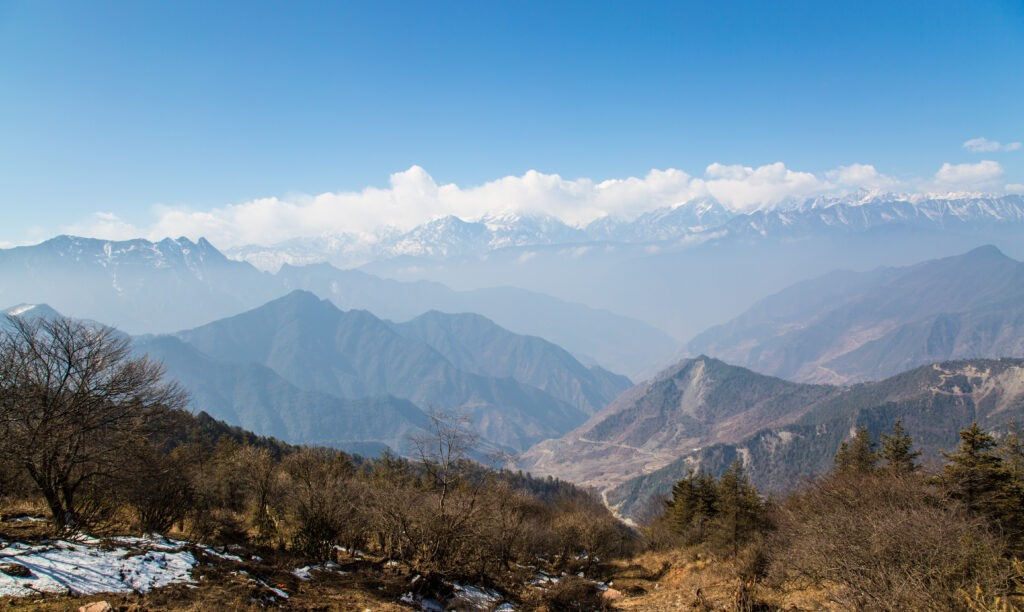
A bit far. Takes effort to reach. But once you’re there, the scale of the mountains feels different. Larger, sharper, more present.
What to do:
- Trekking
- Local village walks
- Mountain views that stay with you
Best time to visit:
March to June, September
Chaukori, Uttarakhand
Not many people talk about this one. Tea gardens, wide Himalayan views, and a pace that feels almost paused.
What to do:
- Tea garden walks
- Sunrise views
- Quiet stays
Best time to visit:
October to June
Kausani, Uttarakhand
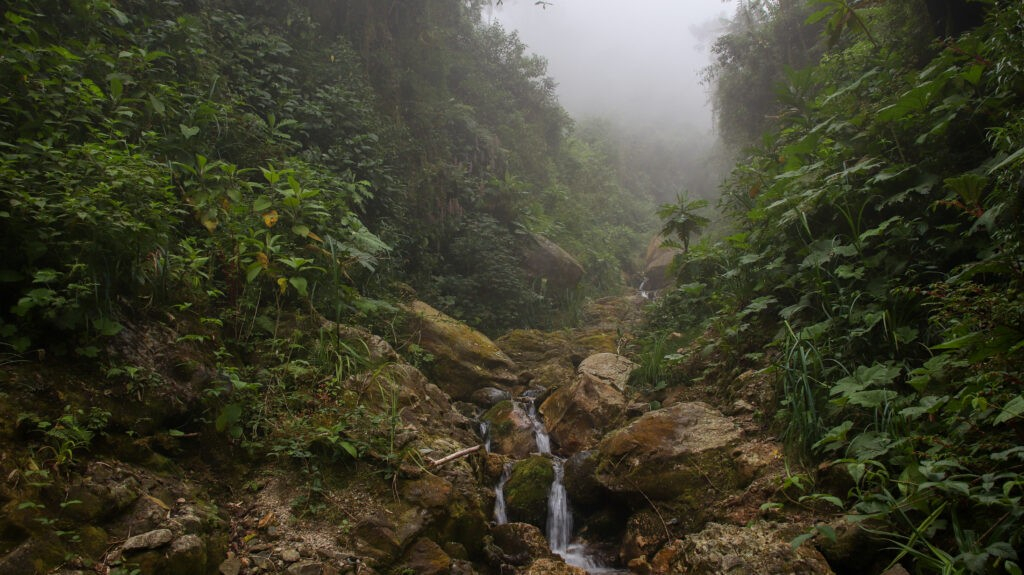
Simple and peaceful. It’s known for views, but what really stands out is how calm everything feels.
What to do:
- Visit Anasakti Ashram
- Walk through local areas
- Sit and watch the mountains change color
Best time to visit:
March to June
Kanatal, Uttarakhand
Close to Mussoorie, but far less crowded. A good option if you want something accessible without the chaos.
What to do:
- Camping
- Short treks
- Bonfire evenings
Best time to visit:
All year (avoid peak monsoon)
Ziro Valley, Arunachal Pradesh
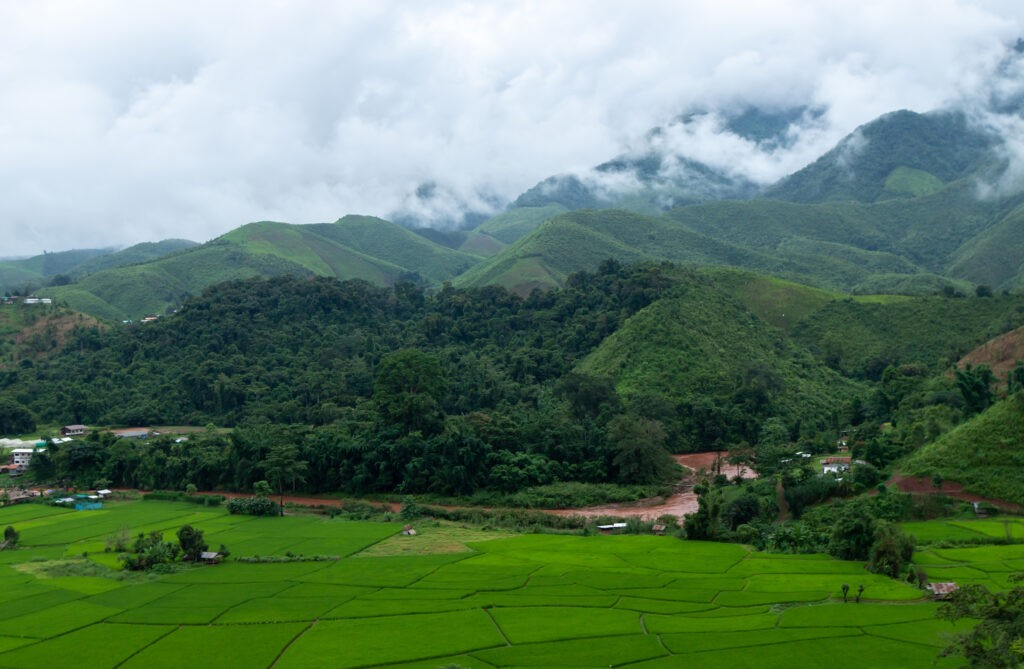
Very different from Himachal or Uttarakhand. Wider landscapes, rice fields, and a culture that feels distinct.
What to do:
- Explore Apatani villages
- Walk through fields
- Attend Ziro Music Festival (if timing works)
Best time to visit:
March to October
Mechuka, Arunachal Pradesh
Remote. Raw. Almost untouched. Not the easiest place to reach, but that’s part of the reason it still feels the way it does.
What to do:
- Explore monasteries
- Walk near the river
- Just take in the landscape
Best time to visit:
October to April
What Makes These Hill Stations Better Than Manali
It’s not about comparing places directly.
It’s more about how they feel.
- Fewer crowds
- More connection with nature
- Slower pace
- Less noise, both literal and mental
- More room to experience, not just visit
Travel Tips for Visiting Offbeat Hill Stations in India
A few things that make the trip smoother:
- Roads can be unpredictable — plan extra time
- Network may not always work
- Carry essentials, especially in remote areas
- Don’t overplan your days
- Expect simplicity, not luxury everywhere
These places aren’t built for fast travel.
Where to Stay for a Better Mountain Experience
Where you stay in the mountains changes everything.
A crowded hotel in a quiet place can still feel… crowded. But a well-placed stay, slightly away from movement, closer to nature, makes the trip feel different.
That’s where platforms like Solis Nature come in. The focus isn’t just on accommodation, but on how the space fits into the surroundings. Not overdone. Not overly commercial. Just places that feel right for the location.
Closing
Not every place needs to be replaced. Manali still has its charm. But sometimes, what people are really looking for isn’t a better place. It’s a quieter one. The kind where you don’t feel the need to keep moving. Where a simple day feels full enough.
And often, those places aren’t the most popular hill stations in India. They’re just the ones that stayed a little less crowded.
FAQs
What are the best alternatives to Manali in India?
Jibhi, Tirthan Valley, and Kalpa are among the most preferred alternatives. They offer similar mountain views but with less crowd and more calm. Read what reddit users have a say in this topic and then decide where you would want to go other than Manali.
Which hill stations in India are less crowded?
Places like Shoja, Chaukori, and Kanatal remain less crowded compared to popular destinations like Manali or Shimla.
Are offbeat hill stations in India safe to travel?
Yes, most are safe. Just basic precautions, proper planning, and checking local conditions are enough.
What is the best time to visit hill stations in India?
March to June and September to November work best for most regions. Winters are colder but quieter.
Do these places have good network connectivity?
Not always. Some areas have limited connectivity, which can actually be a good break.
Are these destinations suitable for short trips?
Some like Kanatal and Jibhi are good for short trips. Others like Ziro or Mechuka require more time.
Which hill stations are best for couples?
Jibhi, Tirthan Valley, and Kalpa are great for couples looking for peaceful and scenic stays.
How are these places different from Manali?
They’re less commercial, less crowded, and offer a slower, more relaxed experience.