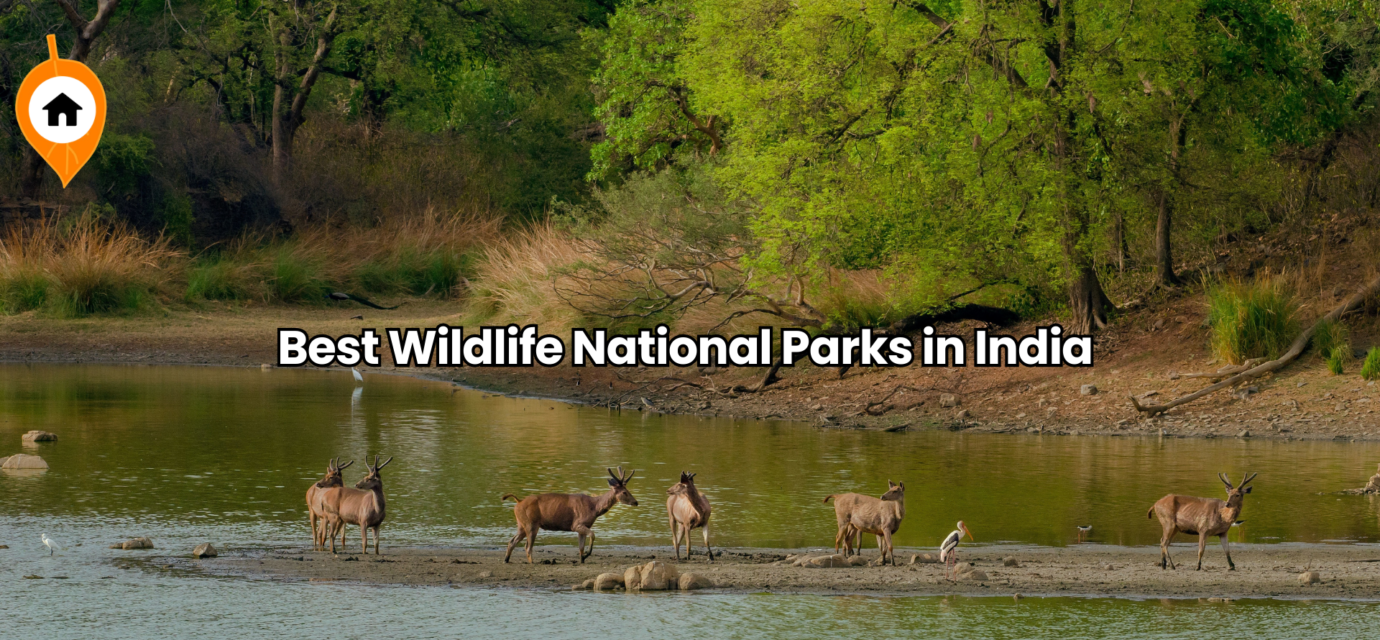
India doesn’t separate wilderness from daily life. Forests exist alongside villages. Rivers run through farmland. And inside protected regions, wildlife still moves freely — not as spectacle, but as part of an older rhythm. When people search for a wildlife national parks in India, they’re usually looking for more than a checklist safari. They’re looking for the possibility of seeing something real. A tiger stepping across a forest track. A herd of elephants near a waterhole. A quiet marshland full of migratory birds at dawn.
This guide explores some of the most important wildlife national parks in India, what makes them distinct, and how to experience them thoughtfully. At Solis Nature, we have many more travel guides in order to let you know all about the Incredible India.
Why Wildlife National Parks in India Feel Different
India has over 100 national parks, each shaped by different geography — grasslands, deserts, mangroves, Himalayan valleys, tropical forests. That variety makes wildlife national parks in India incredibly diverse compared to most countries.
You’re not entering a single ecosystem. You’re entering many.
What makes Indian national parks stand out:
- Strong tiger conservation programs
- Landscapes that change dramatically by region
- High biodiversity density
- Cultural life surrounding the forests
- Seasonal migration patterns
From central India’s dry deciduous forests to the marshlands of Assam, every wildlife national park in India offers a different pace and personality.
1. Jim Corbett National Park, Uttarakhand
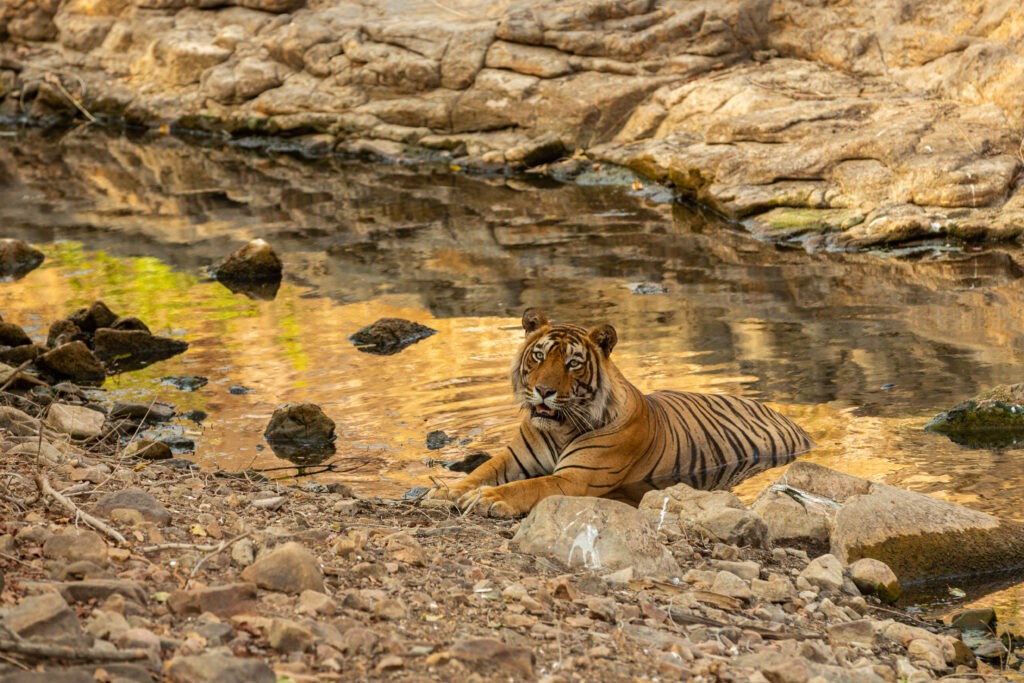
Often called the oldest wildlife national park in India, Jim Corbett National Park was established in 1936. Located in Uttarakhand, it’s known for its mix of riverine belts, grasslands, and sal forests.
Why it stands out:
- One of the highest tiger populations in India
- Elephant sightings
- Rich birdlife (600+ species)
- Scenic river landscapes
Corbett feels expansive. Early morning safaris here are quiet, often mist-covered. Even when wildlife remains hidden, the forest itself holds attention. At Solis Nature, we also got your stays in Jim Corbett sorted so plan your next vacation.
Best time to visit: November to June
2. Ranthambore National Park, Rajasthan
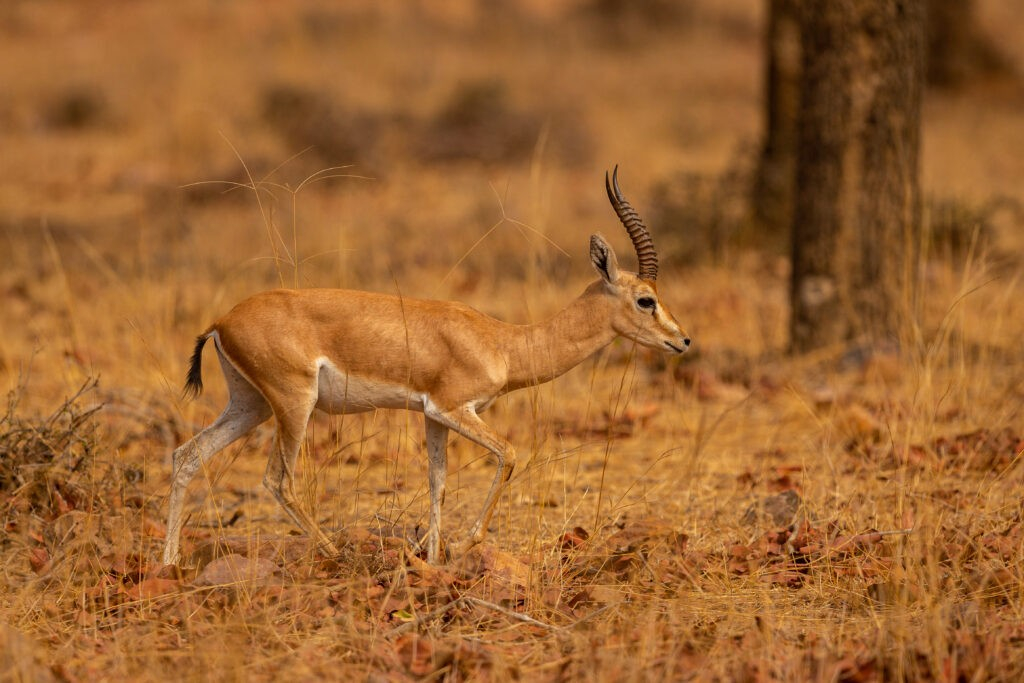
Ranthambore is among the most photographed wildlife national parks in India. The dramatic backdrop of Ranthambore Fort makes sightings visually striking.
What makes it special:
- High probability of tiger sightings
- Ancient ruins within the forest
- Dry deciduous forest landscape
- Easily accessible from Jaipur
Ranthambore is ideal for first-time safari travelers. The terrain is more open compared to dense forests, which increases visibility.
Best time to visit: October to April
3. Kaziranga National Park, Assam
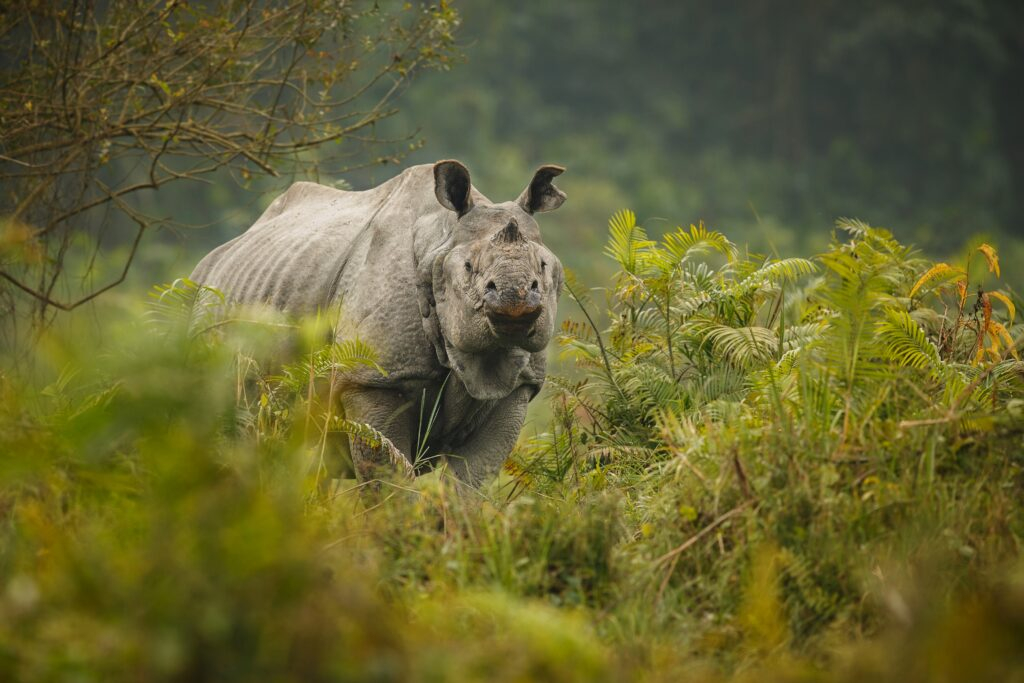
Kaziranga National Park protects the world’s largest population of one-horned rhinoceroses. It’s also a UNESCO World Heritage Site.
Highlights:
- Indian one-horned rhino
- Wild water buffalo
- Eastern swamp deer
- Migratory bird species
Unlike central India’s tiger parks, Kaziranga feels wetter and more river-driven. Tall grasslands dominate the landscape, and jeep or elephant safaris move through open marshland.
Best time to visit: November to April
4. Bandhavgarh National Park, Madhya Pradesh
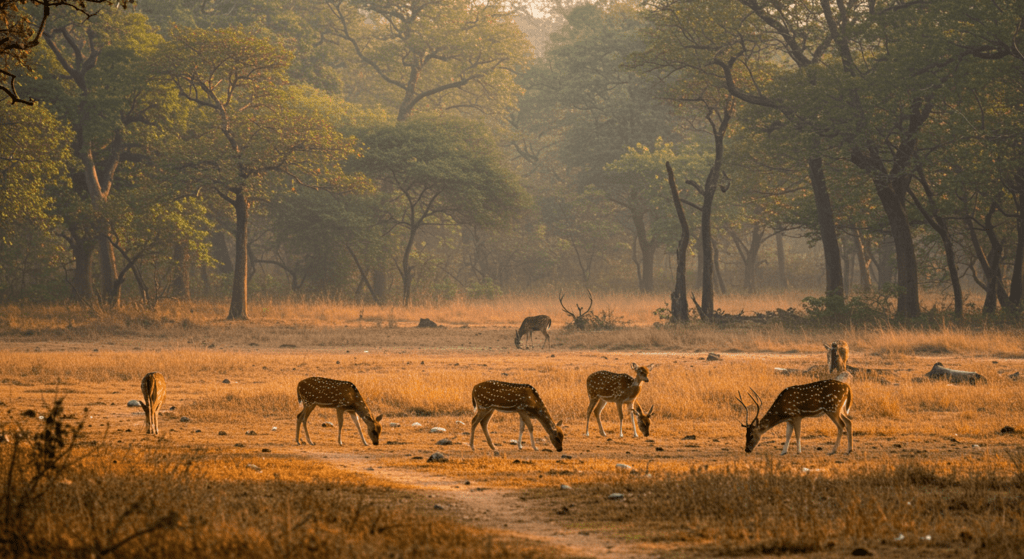
Bandhavgarh has one of the highest tiger densities in India. Wildlife photographers often consider it one of the best wildlife national parks in India for tiger sightings.
Why travelers choose Bandhavgarh:
- Compact park area
- Strong tiger tracking record
- Ancient fort ruins inside the park
- Good safari zone management
Sightings here can feel close and intimate, especially during summer months when animals gather near water sources.
Best time to visit: October to June
5. Kanha National Park, Madhya Pradesh
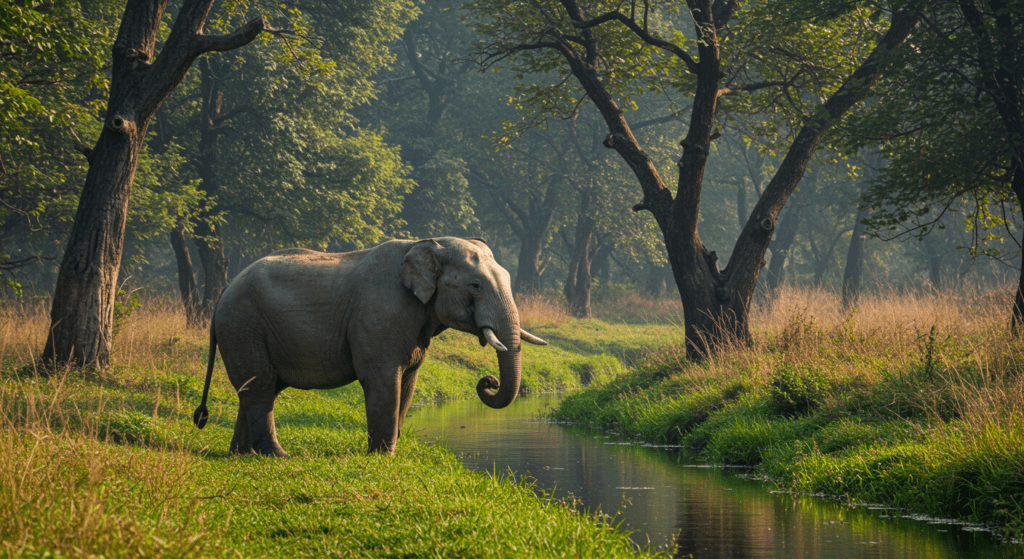
Kanha inspired Rudyard Kipling’s The Jungle Book. Its open meadows and sal forests create classic central Indian safari landscapes.
Known for:
- Hard ground barasingha (swamp deer) conservation
- Tiger and leopard presence
- Wide open grasslands
- Organized safari system
Kanha offers balance — strong wildlife density without feeling overly commercial.
Best time to visit: November to June
6. Sundarbans National Park, West Bengal
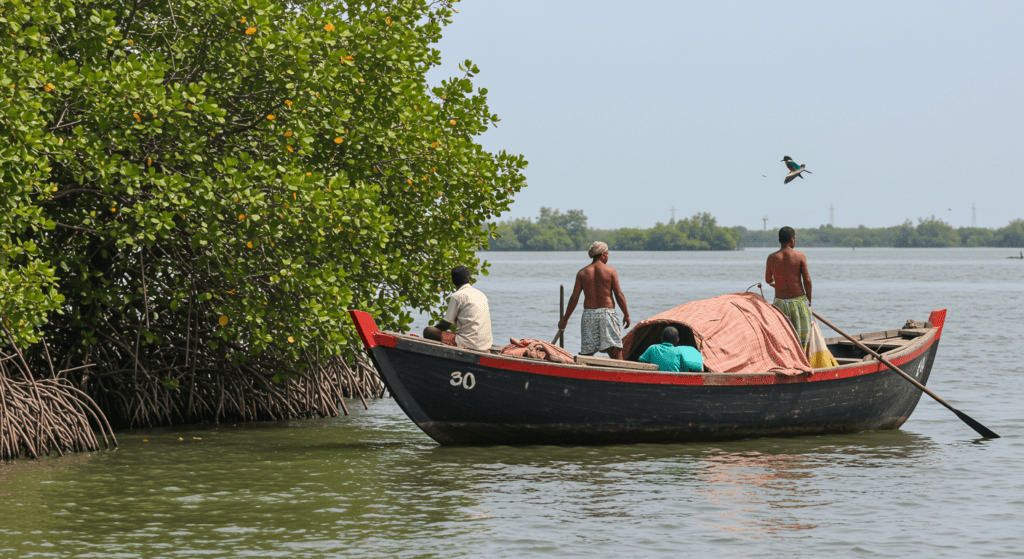
The Sundarbans is unlike any other wildlife national park in India. It’s a mangrove forest shaped by tidal waterways.
Unique features:
- Royal Bengal tiger adapted to swimming
- Saltwater crocodiles
- Mangrove ecosystem
- Boat-based safaris
Sightings here require patience. Movement happens quietly — sometimes unseen.
Best time to visit: November to March
7. Periyar National Park, Kerala
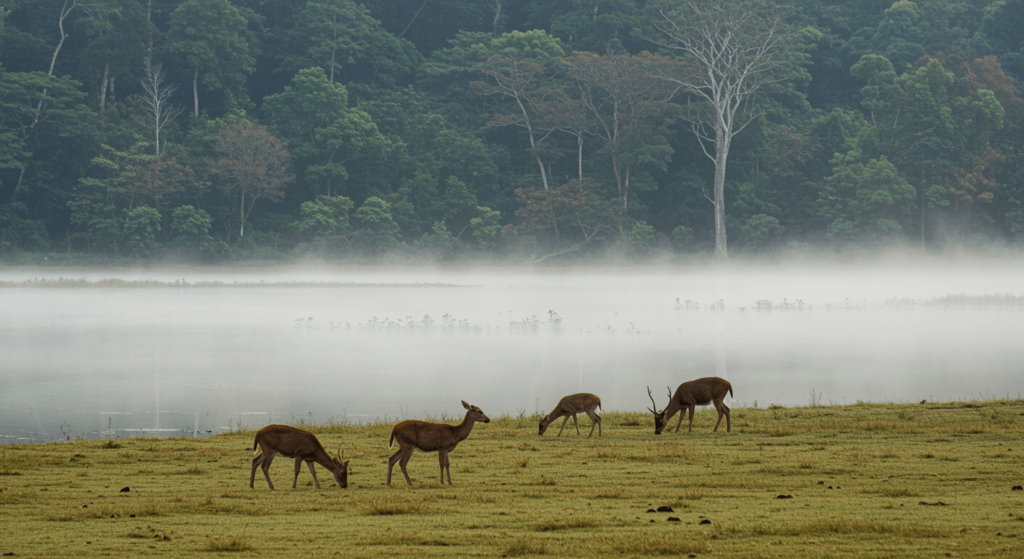
Periyar is known for elephant herds and its scenic lake system. Located in the Western Ghats, it offers a different wildlife experience compared to central India.
Why visit:
- Elephant sightings near water
- Boat safaris
- Evergreen forest landscape
- Less intense safari atmosphere
It’s often preferred by travelers combining wildlife with hill station visits.
Best time to visit: October to April
8. Hemis National Park, Ladakh
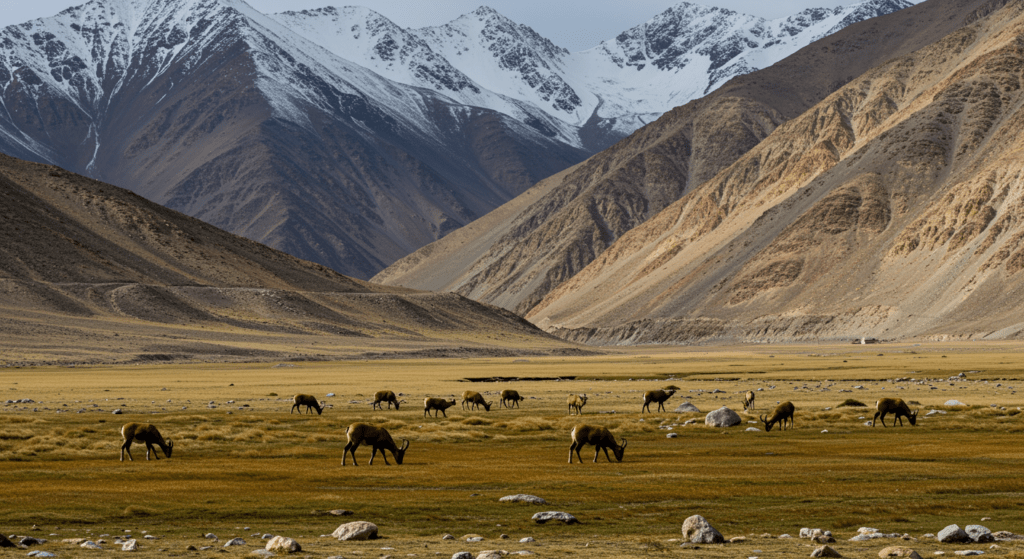
Hemis National Park offers high-altitude wildlife experiences. It is famous for the elusive snow leopard.
What makes it distinct:
- Himalayan ecosystem
- Snow leopard tracking (winter)
- Blue sheep and Himalayan wildlife
- Sparse, dramatic terrain
This is not a casual safari destination. It requires preparation and patience.
Best time to visit: May to September (Snow leopard tracking: Jan–March)
When Is the Best Time to Visit Wildlife National Parks in India?
Season matters greatly.
- Winter (Nov–Feb): Pleasant weather, good for birds
- Summer (March–June): Higher tiger sighting probability
- Monsoon (July–Sept): Many parks closed
If your priority is tiger spotting, late summer offers better chances due to reduced water sources.
Responsible Wildlife Travel in India
Visiting a wildlife national park in India requires responsibility.
Keep in mind:
- Follow park rules strictly
- Maintain silence during safaris
- Avoid littering
- Do not pressure guides for unsafe proximity
- Choose eco-conscious accommodations
Wildlife viewing should never disturb natural behavior.
How to Plan a Wildlife Safari in India
Here’s a simple structure:
- Choose your priority animal (tiger, rhino, elephant, snow leopard)
- Select park accordingly
- Book safaris in advance (especially for peak season)
- Stay near buffer zones for better access
- Keep 2–3 safari drives minimum
Wildlife experiences depend on patience, not guarantees.
Why Wildlife National Parks in India Continue to Attract Global Travelers
India’s forests are not staged landscapes. They are living ecosystems.
The unpredictability is part of the appeal. You may wait hours and see nothing — then suddenly, movement in tall grass shifts everything.
A wildlife national park in India isn’t just about the animal you came to see. It’s about early morning light, dusty jeep trails, forest sounds, and the reminder that nature still operates independently of human routine.
Final Thoughts
Wildlife national parks in India represent one of the country’s strongest conservation success stories. From tiger reserves in Madhya Pradesh to mangrove forests in West Bengal and alpine parks in Ladakh, the diversity is unmatched.
If you approach these spaces with patience and respect, the experience becomes more than sightseeing. It becomes observation.
And sometimes, that’s enough.
FAQs — Wildlife National Parks in India
1. Which is the best wildlife national park in India for tiger sightings?
Bandhavgarh, Ranthambore, and Jim Corbett are considered among the best wildlife national parks in India for tiger sightings due to strong tiger populations and accessible safari zones. Reddit users got various takes on this, so go check it.
2. What is the best time to visit wildlife national parks in India?
The best time to visit wildlife national parks in India is from October to June. Summer months (March–June) usually offer better tiger sightings, while winter is ideal for birdwatching.
3. How much does a tiger safari cost in India?
A tiger safari in India typically costs between ₹1,500 and ₹6,000 per person per drive, depending on the park, safari zone, and vehicle type (jeep or canter).
4. How many days are enough for a wildlife safari in India?
A 2 to 3 day stay with at least 2–4 safari drives is recommended for a meaningful wildlife experience in India.
5. Which national park in India is best for rhino sightings?
Kaziranga National Park in Assam is the best wildlife national park in India for spotting the one-horned rhinoceros.
6. Are wildlife national parks in India safe for families?
Yes, most wildlife national parks in India are safe for families as long as visitors follow safari guidelines and park rules strictly.
7. Do national parks in India remain open throughout the year?
No. Many wildlife national parks in India remain closed during monsoon season (July to September) for safety and conservation reasons.
8. Is advance booking required for safari in India?
Yes, safari permits in popular parks like Ranthambore, Jim Corbett, and Bandhavgarh must be booked online in advance, especially during peak travel seasons.
9. Which is the largest national park in India?
Hemis National Park in Ladakh is the largest national park in India by area and is famous for snow leopard sightings.
10. What animals can you see in Indian national parks besides tigers?
Apart from tigers, visitors may spot elephants, leopards, rhinos, sloth bears, deer species, crocodiles, wild dogs, and hundreds of bird species depending on the park.