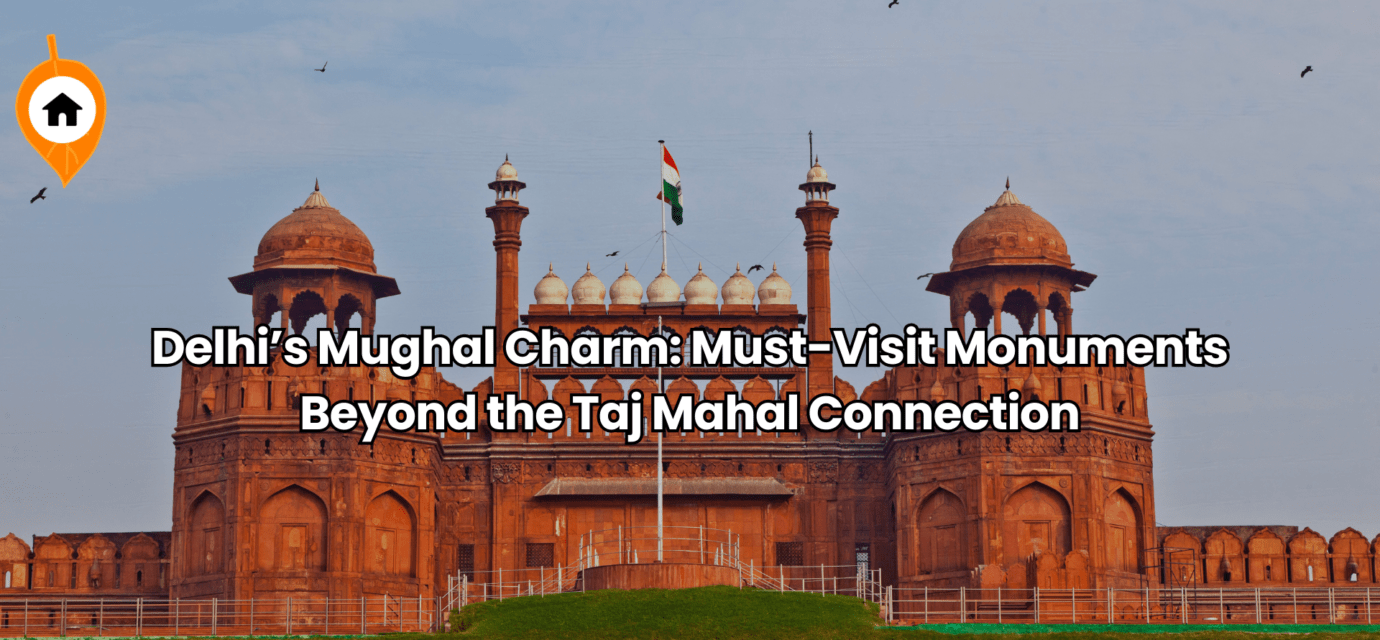
Delhi is a city that doesn’t just show its history. It whispers. Walk past a busy street. You hear car horns, people bargaining, chai-wallahs shouting. Look a little closer. Massive gates, domed tombs, crumbling walls — they all stand there, like someone paused mid-story hundreds of years ago.
Sure, the Taj Mahal is famous. But Delhi has its own secrets. Its walls, gardens, and forts are some of the most fascinating Delhi monuments you can explore. If you’re wondering where to start, here’s a guide to the top 10 monuments in Delhi that every history lover should visit.
For anyone chasing Delhi historical monuments, it’s a different kind of experience. Not just Instagram shots or checklists. It’s history you can touch, almost smell — the smell of old stone mixed with spices from the nearby markets. If you’re planning a historical journey, here’s a guide to the Top 10 Historical Places in Delhi that capture the essence of the city, from grand forts to serene gardens.
Red Fort Delhi – Standing Tall Through Time
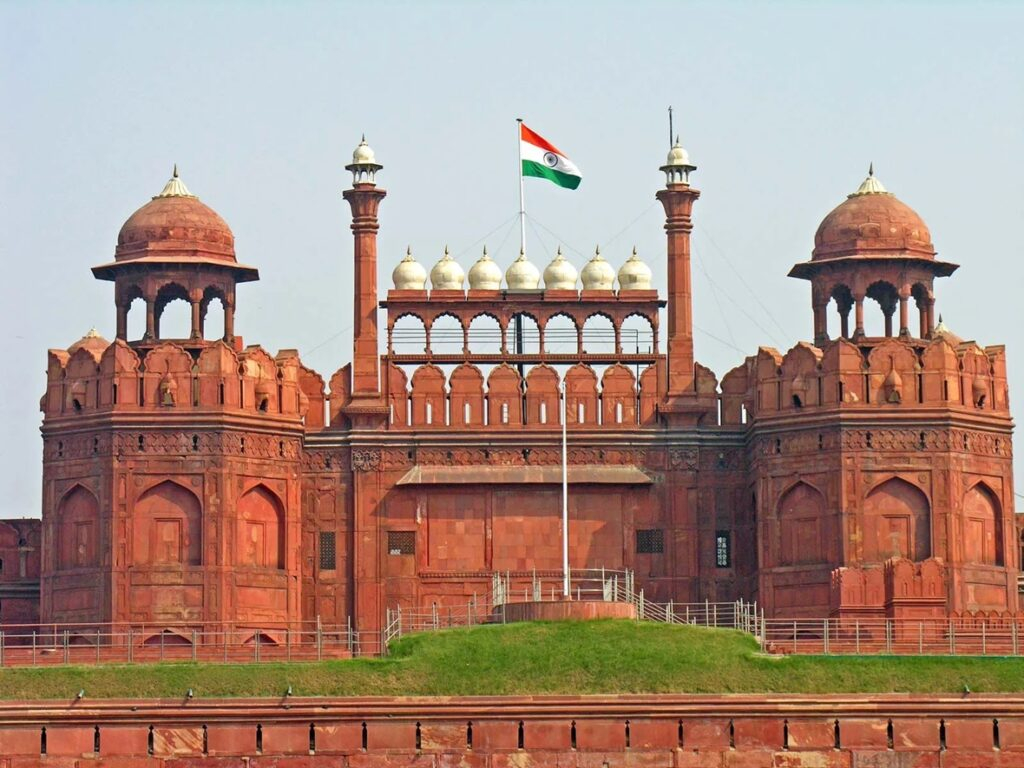
Red Fort Delhi. Everyone’s heard of it. But being there… it’s something else. Massive red sandstone walls, rough yet proud. Built by Shah Jahan. Inside, palaces, halls, gardens. You can almost imagine the emperor walking through Diwan-i-Khas, robes trailing, advisors whispering in his ear.
And it isn’t frozen in time. On Independence Day, the flag goes up. Soldiers line the ramparts. People cheer. History and present collide. Visiting the Red Fort in Delhi isn’t just about sightseeing—it’s stepping into one of the best historical places in Delhi and Delhi historical monuments, a story that’s still being written.
Humayun ka Maqbara Delhi – The Quiet Predecessor

A bit quieter, a bit gentler — that’s Humayun ka Maqbara Delhi. The first Mughal garden tomb in India. Built by Humayun’s widow. Some say it inspired the Taj Mahal later. Walk the paths. Symmetry everywhere. Marble domes gleaming. Water channels reflecting the sky.
It’s peaceful. If you listen closely, you can almost hear whispers of poets who might have walked these paths centuries ago. Compared to the chaos outside its walls, it’s a calm bubble. Definitely one of the best historical places in Delhi for reflection.
Purana Qila in Delhi – Old Forts, Older Stories
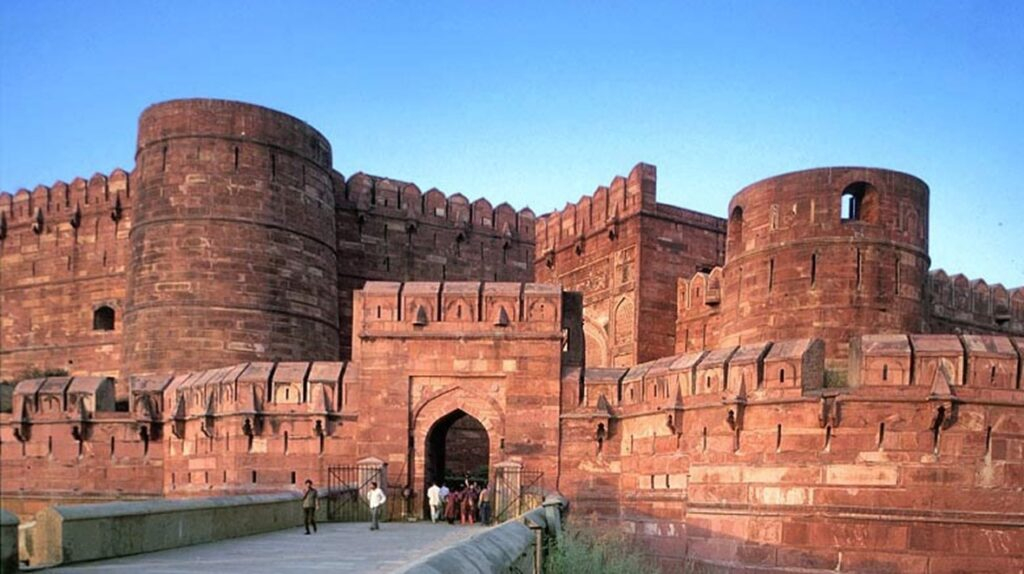
Then there’s Purana Qila, or the Old Fort. Some legends say this was Indraprastha from the Mahabharata. Later, Sher Shah Suri and Humayun left their marks. Rugged walls, massive gates, a place where history feels raw.Stand on the ramparts. Look around. You see layers of Delhi’s past overlapping. A light-and-sound show narrates the fort’s story in the evening — but even without it, the stone speaks for itself. This is one of those monuments in Delhi to visit that makes you pause.
Qutub Minar – Towering and Timeless
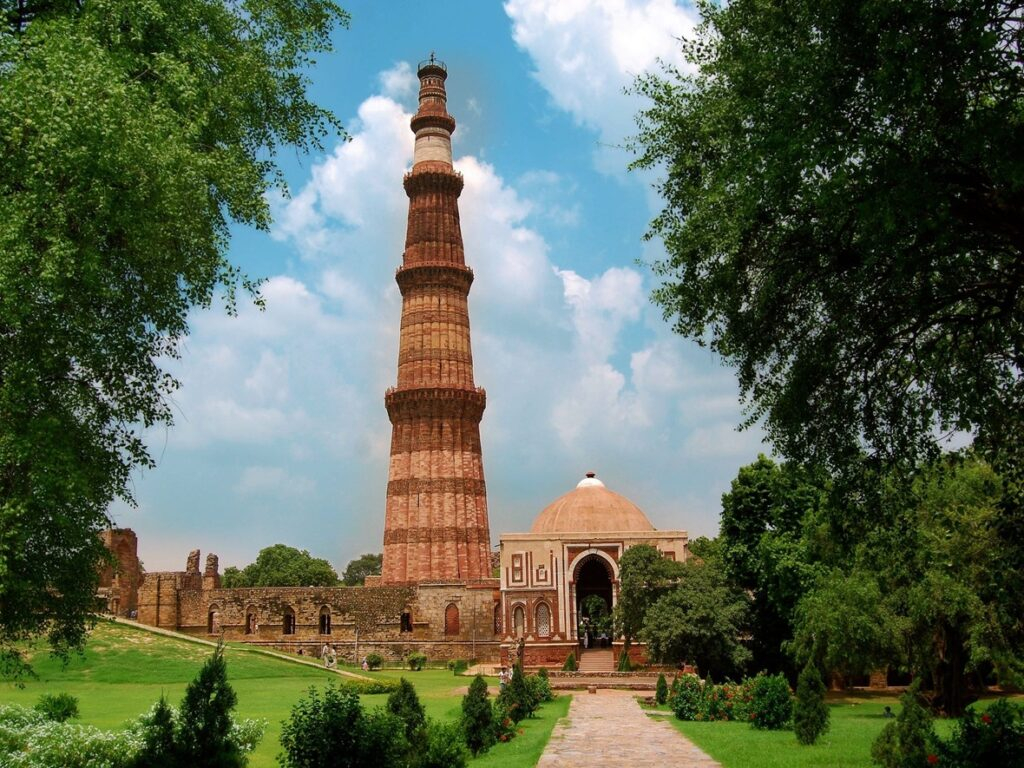
Qutub Minar rises, sharp against the sky. Tallest brick minaret in the world. Built by Qutb-ud-din Aibak, completed by his successors. Red sandstone with delicate carvings. Look closer — Hindu motifs woven into Islamic designs. A minaret that survived earthquakes, centuries, storms.
The Iron Pillar nearby still resists rust. How? People have speculated for centuries. Standing there, you can’t help but feel dwarfed. History feels alive, stubborn, and enduring.
Jama Masjid – Mosque, Market, Life

Shah Jahan again. Built Jama Masjid. Vast courtyard. Marble domes. Towering minarets. Thousands can pray here at once. But outside, life explodes: Chandni Chowk, spice shops, street food, rickshaws, bicycles weaving between pedestrians.
It’s noisy, chaotic, colorful. Visiting Jama Masjid, one of the most iconic Delhi historical monuments, isn’t just about architecture. It’s about feeling Delhi. Smelling Delhi. Living Delhi.
Safdarjung’s Tomb – Quiet Reflection
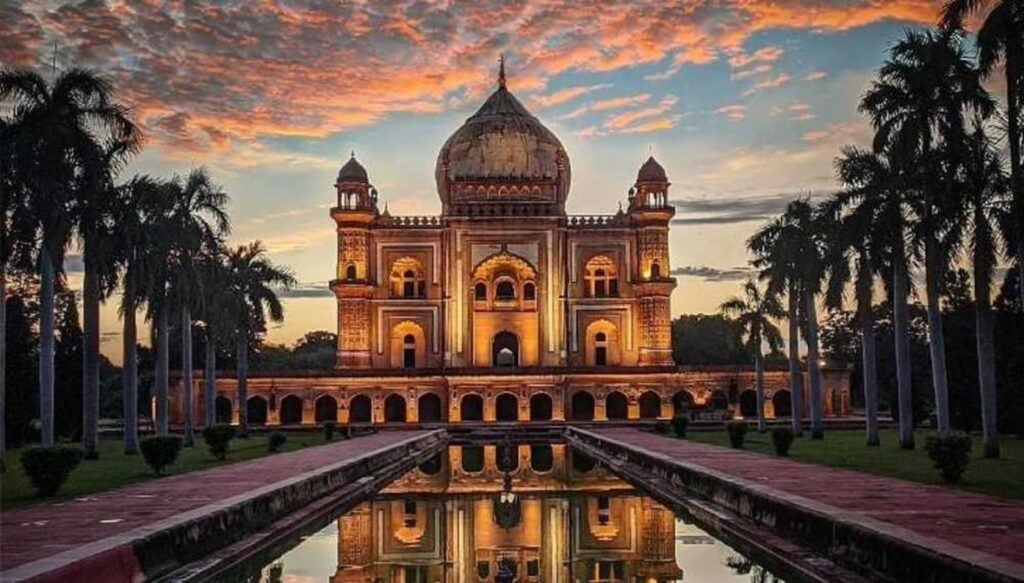
Safdarjung’s Tomb is smaller. Less grand. But maybe that’s the point. Built in 1754, it whispers rather than shouts. Sandstone and marble. Peaceful gardens. A breeze rustles through the trees. Birds chirp. Hardly any tourists.
Sometimes, you want that. To step away from crowds and just imagine someone long ago wandering these gardens, thinking, planning, or mourning. Another historic place to visit in Delhi that surprises with calm.
Tughlaqabad Fort – Ruins With Character

Then there’s Tughlaqabad. Massive walls. Broken gates. Crumbling bastions. Built by Ghiyas-ud-din Tughlaq. Was supposed to be impregnable. Today? A ruin. But a dramatic one.Walking through, you feel the ambition, the desperation, the mistakes of rulers long gone. You see the stones, moss-covered, and wonder what stories they would tell if they could speak. Tughlaqabad is one of the many fort palaces near Delhi and notable Delhi monuments that showcase the grandeur, strategy, and sometimes the folly of past empires.
Neemrana Fort – Weekend Escape With Stories
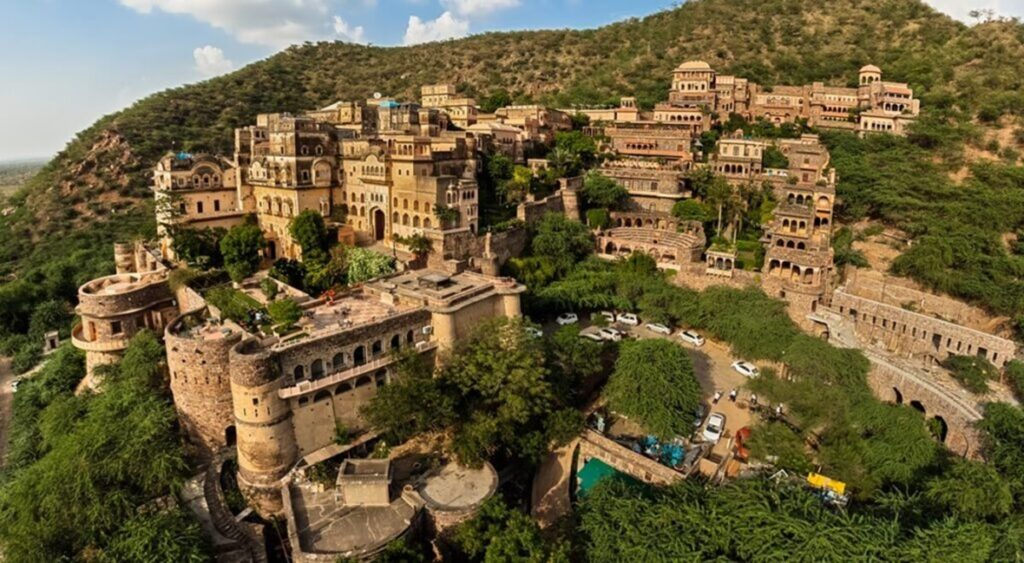
A bit outside Delhi, there’s Neemrana Fort. Fifteenth century. Now a heritage hotel. Courtyards, secret stairways, zip-lining. Cultural shows in the evenings.
Visitors stay in rooms where history seeps from walls. Not quite Delhi, but close enough for a weekend trip. Fort palaces near Delhi like Neemrana fort remind you that history isn’t always just sightseeing — it’s living.
After exploring these iconic places, you might want a complete roadmap to make the most of your trip. Our comprehensive Delhi guide will help you uncover every monument, hidden corner, and cultural hotspot the city has to offer.
Lodhi Gardens – Nature Meets History

Sometimes monuments are quiet. Lodhi Gardens, one of the serene Delhi historical monuments,is a perfect example. Tombs scattered in a park. Joggers, couples, families. Trees, flowers, birds. History is not a museum here. It’s a part of daily life.
Perfect for a morning walk, a picnic, or just sitting on a bench imagining what the Lodhi dynasty felt centuries ago.
Delhi Feels Like a Living Museum
Walk enough. Observe enough. Delhi isn’t static. Walls crumble, roads expand, scooters zoom past. Yet, somehow, the past stays. Every dynasty left a mark. Every monument, a story. And even modern architects draw inspiration from these ruins.
That’s why it’s a city of contradictions — chaos and calm, old and new, stone and life. And that is what makes it so alive. To make your exploration easier, we’ve curated the Top 10 Historical Places in Delhi, featuring iconic sites like Red Fort, Humayun’s Tomb, and Purana Qila.
Quick List: Top 10 Historical Places in Delhi
- Red Fort Delhi
- Humayun ka Maqbara Delhi
- Purana Qila in Delhi
- Qutub Minar
- Jama Masjid
- Safdarjung’s Tomb
- Tughlaqabad Fort
- Lodhi Gardens
- India Gate
- Neemrana Fort Delhi
Each one is different. Each one tells its own story.
Final Thoughts – Beyond the Taj Mahal
While India boasts wonders like the Taj Mahal, exploring Delhi monuments gives you a chance to walk through history. From the top 10 monuments in Delhi to hidden gems, the city invites you to experience stories etched in stone, still alive today. Yes, the Taj Mahal shines across India. But Delhi? Delhi has layers. Walls, gates, tombs, gardens, ruins. All still speaking, still alive. Visiting the best historical places in Delhi isn’t just sightseeing. It’s walking into centuries of stories, some grand, some quiet.
If you want to explore Delhi and nearby heritage escapes in delhi comfort and style, Solis Nature offers curated trips that take you through these historic sites while enjoying nature and luxury. Discover more about our itineraries and exclusive stays.
You leave the city changed. A little heavier with history. A little lighter with wonder. And you know — Delhi isn’t just a stop. It’s a feeling.
Frequently Asked Questions (FAQs)
1. What are the must-visit Delhi historical monuments for first-time visitors?
For those new to Delhi, the Top 10 Historical Places in Delhi offer a comprehensive glimpse into the city’s rich past. Key sites include the Red Fort, Humayun’s Tomb, Qutub Minar, and Jama Masjid. Each monument tells a unique story of Delhi’s evolution through the ages.
2. How can I explore Delhi’s historical monuments in a day?
To experience the essence of Delhi historical monuments in a single day, consider starting early at the Red Fort, followed by a visit to Jama Masjid and a stroll through Chandni Chowk. In the afternoon, explore Humayun’s Tomb and conclude with a peaceful walk in Lodhi Gardens. This itinerary captures the diverse architectural styles and histories of Delhi’s iconic sites.
3. Are there any hidden gems among Delhi’s historical monuments?
Absolutely! While the major monuments are well-known, Delhi also boasts lesser-known treasures. Tughlaqabad Fort offers a glimpse into the grandeur of the Tughlaq dynasty, and Safdarjung’s Tomb provides a serene escape with its Mughal architecture. Exploring these sites offers a deeper understanding of Delhi’s multifaceted history.
4. What is the best time to visit Delhi’s historical monuments?
The ideal time to explore Delhi monuments is during the cooler months, from October to March. The weather is pleasant, making it comfortable to walk through the city’s historic sites. Early mornings are particularly serene, allowing for a more reflective experience.
5. How can I make the most of my visit to Delhi’s historical monuments?
To fully immerse yourself in the history, consider hiring a local guide who can provide in-depth insights and anecdotes about each site. Additionally, carrying a good camera and wearing comfortable footwear will enhance your experience as you explore the diverse terrains of Delhi’s monuments.