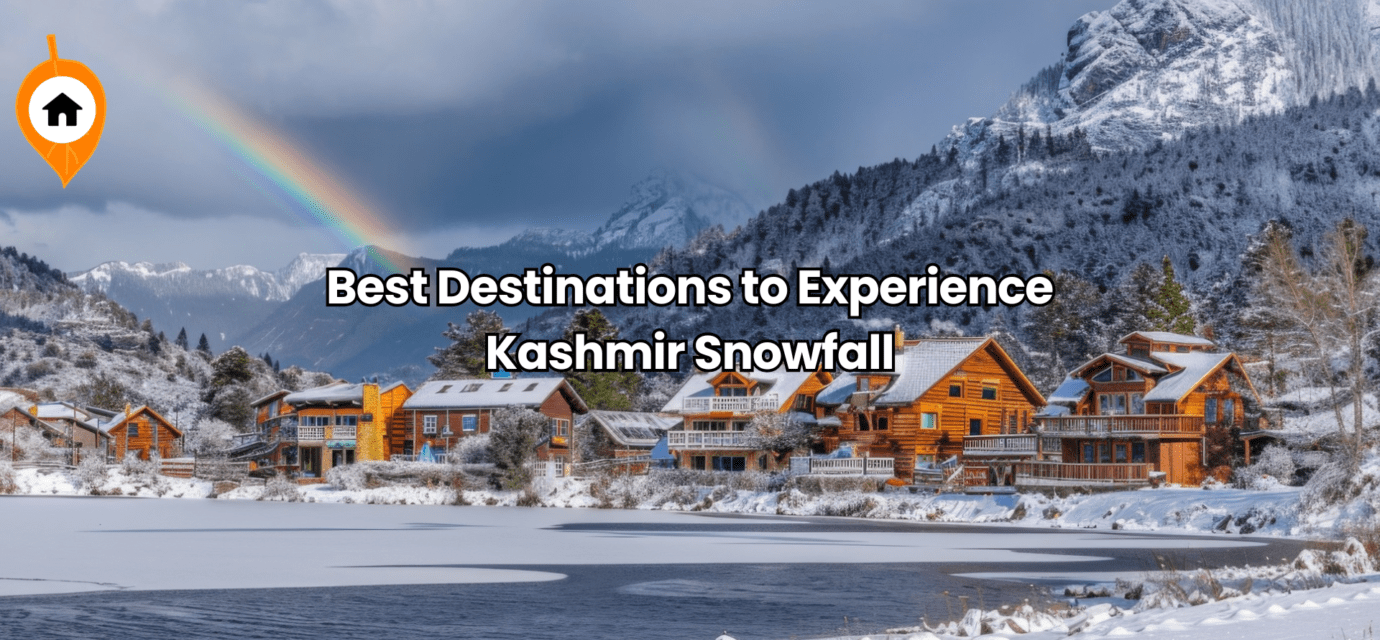
It is quietly that winter comes to Kashmir, as Kashmir snow reshape familiar landscapes and daily rhythms with neither rush nor fanfare.
During snowfall in Jammu and Kashmir, time seems to pause, and travel becomes less about where you are headed and more about noticing how snow in Kashmir changes everything around you.
How Kashmir Snowfall Becomes Part Of Everyday Life
Winter settles gradually across Kashmir. Life does not stop when snow arrives. People adjust their pace, step out when weather allows, and let daily routines follow the rhythm of the season.
Places That Feel Different in Winter
- Dal Lake moves slowly, with misty mornings and quiet evenings
- Local neighborhoods across towns and villages feel calmer after fresh snowfall
- Historic areas stand out more clearly against snow-covered streets
Markets and Daily Shopping
Markets continue to function during winter, though at a gentler pace. Shops open when weather allows, and shopping becomes less hurried.
- Main markets in Srinagar and nearby towns remain active most days
- Woollens, dry fruits, and winter essentials are easy to find
- Conversations with shopkeepers often last longer than usual
Why Winter Shows A Truer Side Of Kashmir
When winter arrives and visitors thin out, Kashmir begins to feel quieter and more personal. Without crowds, daily life becomes easier to notice, and the season reveals how people adapt rather than resist the cold.
- Mountains feel larger without the usual movement around them
- Villages feel warmer as people spend more time indoors together
- For locals, Kashmir snow is part of routine, not something to admire daily
- Roads, homes, and habits adjust naturally to the season
- Winter travel becomes less about covering places and more about understanding daily life
Gulmarg And Its Natural Connection With Winter
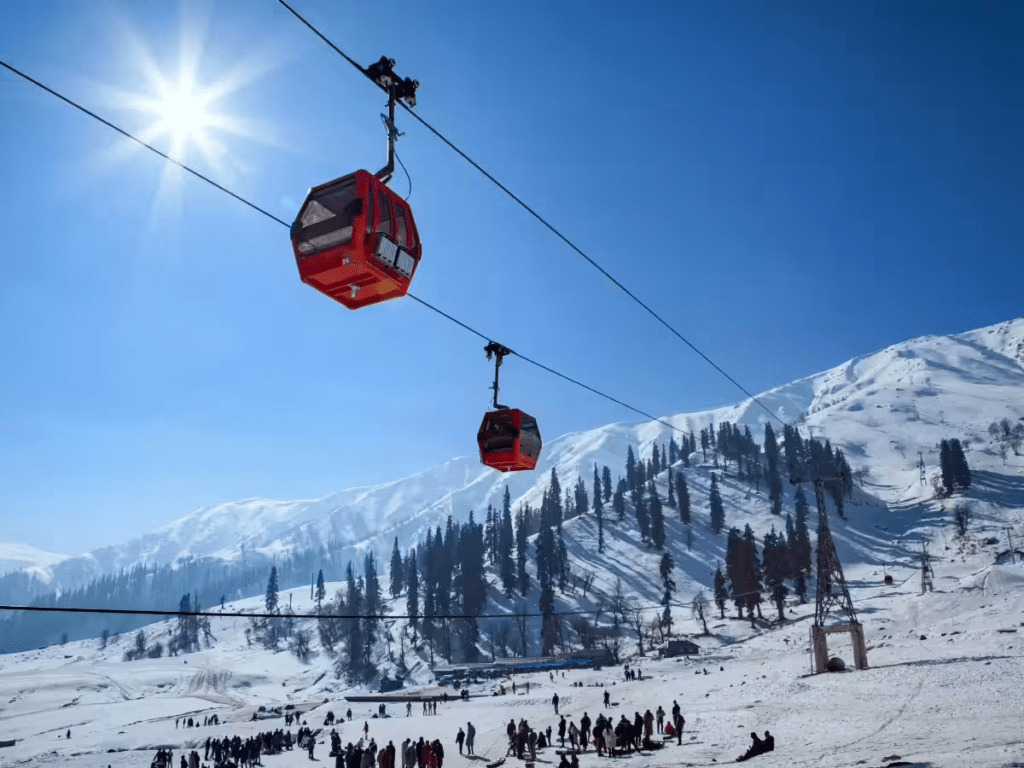
Gulmarg feels naturally aligned with winter, even before the snow arrives. Known as Gulmarg in Kashmir, the town receives snowfall almost every year, and daily life continues with quiet ease.
In Gulmarg, Jammu and Kashmir, winter is not something to escape from. It slowly defines the landscape as slopes turn white and forests settle into silence.
Places That Draw People In During Snowfall
- Open slopes where snow settles evenly across the ground
- Forest paths that feel quieter after fresh snowfall
- Gondola Gulmarg, especially on calm winter mornings
- Viewpoints near the upper reaches where sound fades with height
Things To Do Beyond Skiing
- Spend long hours outdoors doing very little, simply watching light move across the snow
- Take slow Gondola rides, noticing how the landscape changes with altitude
- Walk short distances through snow-covered areas without a set plan
- Sit indoors near windows, letting the stillness outside set the pace of the day
Sonmarg During Deep Winter
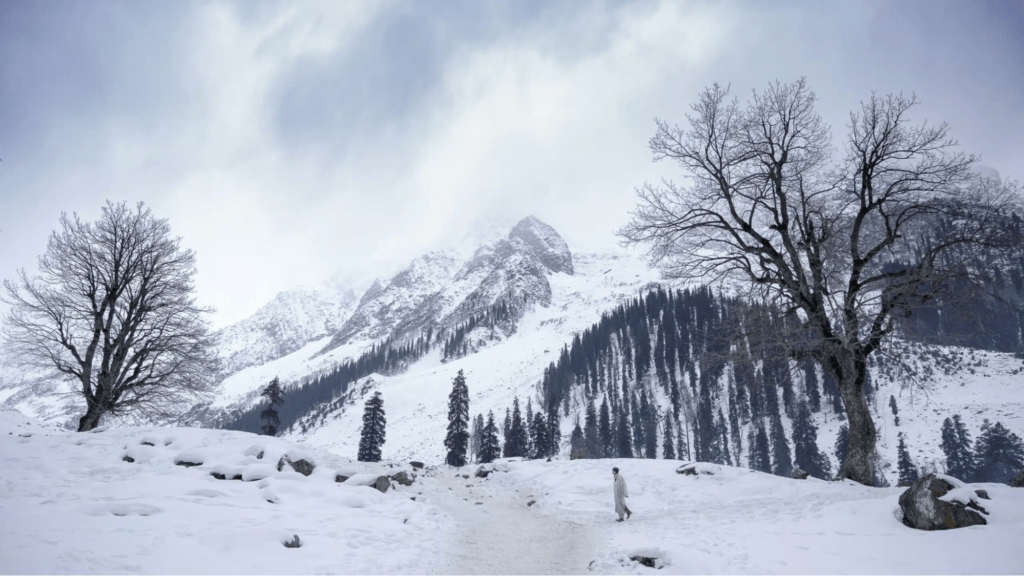
Sonmarg changes quietly as winter settles in. Once snow takes hold, the valley becomes noticeably calmer. Movement reduces, not as a restriction, but as part of how winter shapes daily life. Sonmarg in winter feels preserved, with silence becoming part of the experience.
Must-Visit Spots During Snowfall
- Frozen stretches of the river and nearby snow-covered banks
- Open meadows where snow softens the landscape
- Viewpoints where distant peaks stand clear against pale skies
Things To Do In Sonmarg In Winter
- Take slow walks when conditions allow
- Sit outdoors briefly to absorb the stillness
- Spend time indoors watching light shift across the valley
Pahalgam In The Cold Season

Pahalgam feels gentle during winter. Snow settles on rooftops, trees, and along the Lidder River, changing the town without overwhelming it. Nothing feels shut down or abandoned. Life simply slows.
Mornings begin quietly, with smoke rising from homes and shops opening later than usual. The cold feels familiar here, shaped by routine rather than disruption.
Winter Walks And Familiar Places
- The Lidder River continues to flow, its banks quieter and edged with snow
- Short stretches toward Betaab Valley remain peaceful when roads are clear
- Old town lanes feel calmer, suited for slow walks and unplanned pauses
What Draws People To Pahalgam In Winter
- Open meadows that stay accessible on clear days
- Window-side views from cafés and stays overlooking snow-covered trees
- The ease of doing very little—walking, watching, or sitting quietly indoors
Srinagar In Winter Feels Slower And More Personal
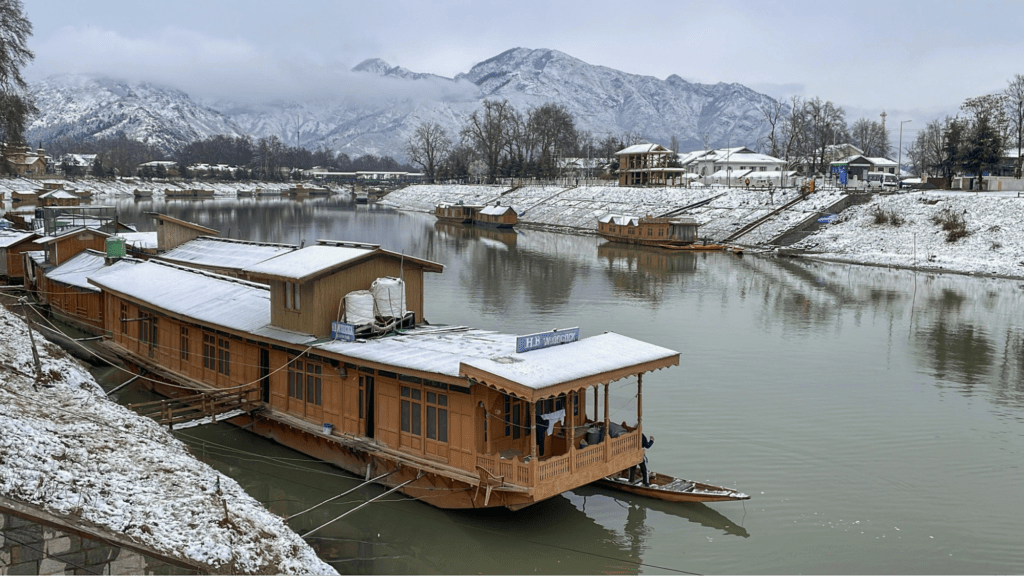
When winter reaches Srinagar, the city adjusts quietly. Dal Lake in winter moves slowly, wrapped in mist during early mornings and softer light by evening. Nothing stops completely, but everything eases into a calmer rhythm shaped by cold days and shorter hours.
Places That Feel Different In Winter
- Dal Lake becomes quieter, with fewer shikaras and longer pauses on the water
- Mughal gardens and historic buildings stand out more clearly under snow
- Older parts of the city feel calmer, especially after fresh snowfall
Markets, Daily Life, And Small Routines
- Markets in Kashmir, Srinagar remain open, though movement feels less rushed
- Lal Chowk and nearby streets stay active, just at a gentler pace
- Winter shopping focuses on woollens, dry fruits, and everyday essentials
Spending time in Srinagar, Jammu and Kashmir, during winter shows how daily life adapts naturally, especially for travelers choosing longer stays in Srinagar rather than quick sightseeing stops.
Yusmarg And The Comfort Of Silence

Yusmarg feels naturally distant during winter. The area stays away from main routes all year, and snowfall only deepens its quiet character. Forests and open meadows remain undisturbed, giving the landscape a sense of space that feels rare.
Where Winter Feels Undisturbed
- Wide meadows lie covered in snow without visible trails
- Pine forests remain still, with little movement or sound
- Open views stay uninterrupted, even during the day
What Makes Yusmarg Different in Winter
- Silence feels continuous rather than occasional
- Time passes without the pressure to move or plan
- The place encourages stillness instead of exploration
Baramulla Through the Winter Months

Baramulla settles into winter without spectacle. The town continues as it always does, only at a slower pace. Snow does not interrupt daily life here, it simply softens it, allowing routines to unfold more quietly.
Life Along the Jhelum in Winter
- The Jhelum flows steadily through the town, shaping daily movement even in cold months
- Riverside areas feel calmer, with fewer people and longer pauses
- Winter days pass gently, marked more by light than by activity
A Town Shaped by Everyday Rhythm
- Local shops open regularly, serving residents rather than visitors
- Streets remain active but unhurried, with no sense of performance
- Older neighborhoods and nearby rural stretches feel especially still
Spending time in Baramulla, Jammu and Kashmir, offers a winter experience rooted in ordinary life. For travelers choosing stays in Baramulla, the town reveals itself slowly, without asking to be explored.
Doodhpathri Under Snow
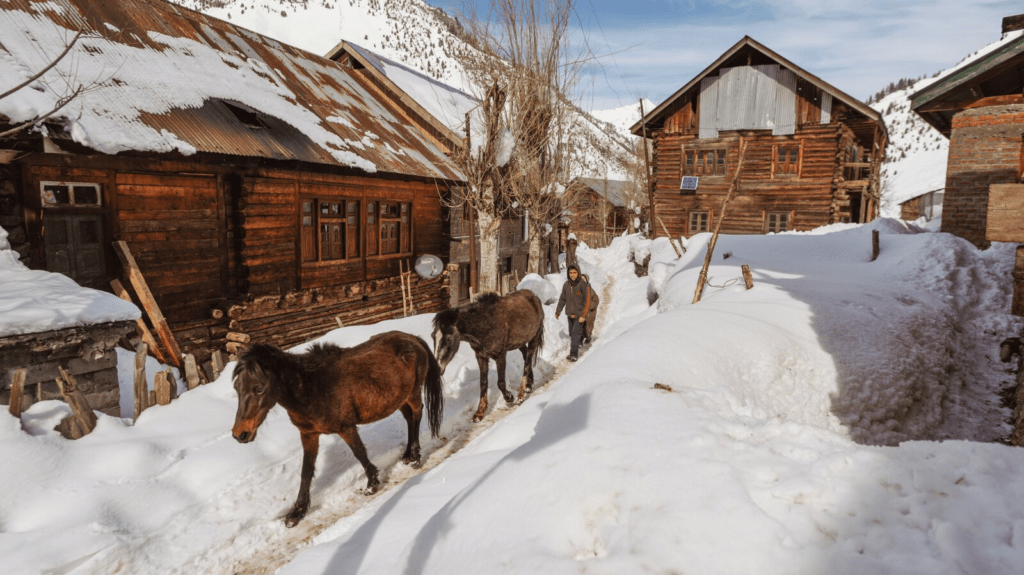
Doodhpathri grows quieter as winter settles in. Access becomes limited, and that distance helps preserve the calm that defines the area during colder months. Snow lies thick across the meadows, while pine trees remain still against the cold air.
A Landscape Defined by Silence
- Meadows stay hidden beneath deep snow
- Pine forests appear motionless and spaced apart
- Sound carries very little across open ground
- The stillness remains constant through the day
Doodhpathri is remembered less for scenery and more for the quiet it holds. Winter here leaves an impression through silence rather than movement or activity.
What Winter Travel In Kashmir Truly Feels Like
Winter travel in Kashmir unfolds at a slower pace, shaped by weather and daylight rather than fixed plans. Days feel shorter, movement becomes intentional, and the experience depends more on patience than planning.
Living With the Winter Rhythm
- Daily plans remain flexible as snowfall in Jammu and Kashmir influences movement.
- Snow sports may draw people to Gulmarg, but most places encourage walking, resting, and observing.
- Meals stretch longer, and evenings arrive earlier and feel closer
- Choosing quiet, nature-led stays, such as Solis Nature, helps travelers settle into the season naturally.
Planning Winter Travel With Ease
- Warm clothing is essential. Layering helps manage changing temperatures.
- Waterproof footwear makes movement safer.
- Plans should remain flexible.
- Local advice improves safety, especially during Kashmir snowfall.
- For real traveller advice on what to carry and how to manage winter conditions, see this discussion on things to know before visiting Kashmir in winter on Reddit.
Final Thoughts
Kashmir in winter feels calm and grounded. Everything moves more slowly, and that rhythm begins to feel natural.
The Rhythm You Carry Home
- Snow changes simple things, like how people walk, talk, and spend their days
- The beauty of Kashmir snow is quiet and unforced, revealed through moments that stay in memory
- For travelers comfortable with cold mornings, shorter days, and an unhurried pace, winter in Kashmir offers experiences that feel genuine long after the journey ends
Frequently Asked Questions (FAQs)
1. Is winter a sensible time to travel to Kashmir?
It depends on what you expect. If you are fine with cold mornings and shorter days, winter can feel calmer than any other season. Kashmir snowfall slows everything down, and that pace suits some travelers very well.
2. Which places usually see snow in Kashmir during winter?
Gulmarg, Sonmarg, Pahalgam, Srinagar, Yusmarg, Doodhpathri, and Baramulla often experience snow. Each place reacts to winter in its own way, which is part of the experience.
3. What changes in daily life once winter begins?
Snow in Kashmir does not stop life, it reshapes it. People plan smaller days, walk more carefully, and accept delays without much fuss.
4. Do markets stay open in winter?
Most of them do. Markets in Srinagar and other towns continue running, though hours may shorten when snowfall in Jammu and Kashmir is heavy.
5. What is worth shopping for in the colder months?
Winter is a good time for woollens, dry fruits, and local spices. With fewer visitors around, shopping often feels quieter and more relaxed.
6. Is there enough to do if you are not into snow sports?
Yes. Many travelers spend winter days walking slowly, sitting indoors with tea, or watching life around Dal Lake. Winter travel in Kashmir is often more about presence than activity.
7. How does Srinagar feel during winter?
Srinagar becomes quieter. Dal Lake moves slowly, mornings feel misty, and daily routines continue without hurry under Kashmir snow.
8. Is winter travel suitable for families?
It can be, especially for families who do not rush their plans. Winter in Kashmir works better when days are kept light and flexible.
9. What kind of clothing is actually useful in winter?
Warm layers, waterproof shoes, and gloves matter more than heavy packing. During Kashmir snowfall, staying comfortable makes the biggest difference.
10. How should winter travel plans be handled?
Plans work best when they stay open. Snowfall in Jammu and Kashmir often decides the day, and letting that happen makes the trip easier.